



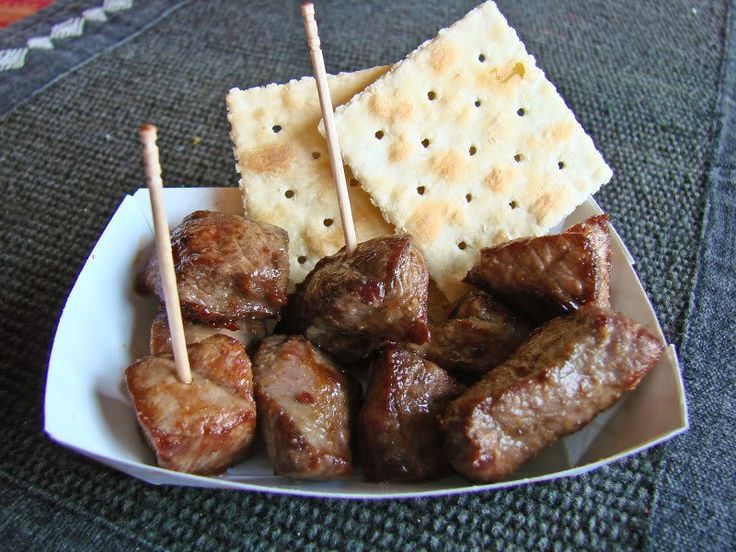
In the heartland of America, South Dakota offers a culinary delight that encapsulates the spirit of the state: Chislic. This seemingly simple dish of cubed, deep-fried red meat carries with it a rich tapestry of history and tradition that is as robust as the flavors it presents.

Chislic's origins are as intriguing as the dish itself. It is believed to have been introduced to South Dakota by German-Russian immigrants in the late 19th century. These settlers, part of a broader wave of immigration, brought with them a tradition of skewering and cooking meats that evolved in the fertile plains of the Midwest. Over time, this culinary custom adapted to local ingredients, particularly lamb and venison, which were readily available in the region. While the exact origin remains debated, the Hutchinson County town of Freeman is often credited as the birthplace of chislic in South Dakota, where it became a staple at community gatherings and local festivals.
Despite its humble beginnings, chislic has gained significant cultural importance in South Dakota, even being declared the state's "nosh" in 2018. This recognition is a testament to its beloved status among locals who enjoy it not just as a dish but as a symbol of state pride. The preparation of chislic varies, but it typically involves cubing the meat, deep-frying it to a crispy perfection, and seasoning it with simple salt, allowing the natural flavors to shine through.

While chislic is a culinary highlight, South Dakota's offerings extend into the realm of art and architecture. The state is home to the Corn Palace in Mitchell, a quirky yet iconic structure adorned annually with murals made entirely of corn and other grains. This architectural marvel, first constructed in 1892, serves as a testament to the region's agricultural heritage and showcases the creativity and resilience of its people. In addition, the Sioux Falls SculptureWalk, an annual exhibit that transforms downtown Sioux Falls into an open-air gallery, underscores the state's commitment to art and culture.
Immersing oneself in South Dakota's local culture reveals a tapestry of traditions that have been preserved and cherished over generations. The Schmeckfest in Freeman is a celebration of German-Russian heritage, where visitors can enjoy traditional foods, crafts, and performances. This festival, held every spring, is a vibrant example of how these communities have maintained their cultural identity.
Culinary experiences in South Dakota extend beyond chislic. The state's gastronomy is deeply tied to its landscape and history. Bison burgers are a must-try, offering a taste of the Great Plains' past, when bison roamed the region in immense herds. Pairing these meals with locally brewed beers from one of the many craft breweries, such as Fernson Brewing Company in Sioux Falls, can enhance the dining experience.
For those seeking lesser-known curiosities, South Dakota does not disappoint. Did you know that the state boasts the largest collection of publicly accessible mammoth fossils at the Mammoth Site in Hot Springs? This active paleontological dig site offers an opportunity to witness prehistoric history in the making. Moreover, the Minuteman Missile National Historic Site, which preserves a Cold War-era missile launch facility, provides a fascinating glimpse into a tense period of American history.
When planning a visit, timing can significantly enhance the experience. The best time to visit South Dakota is during the late spring to early fall when the weather is mild and festivals are in full swing. During these months, the lush landscapes and vibrant cultural events are at their peak. For those venturing into the state for a taste of chislic, many local bars and pubs, especially in the southeastern region, serve it year-round.
In conclusion, South Dakota is more than just a state; it is a journey through time, culture, and flavor. Whether you're savoring a plate of crispy chislic, marveling at the corn murals of the Corn Palace, or exploring the state's rich history, South Dakota offers a unique blend of the past and present. Each visit promises new discoveries and a deeper appreciation for this remarkable part of America.
