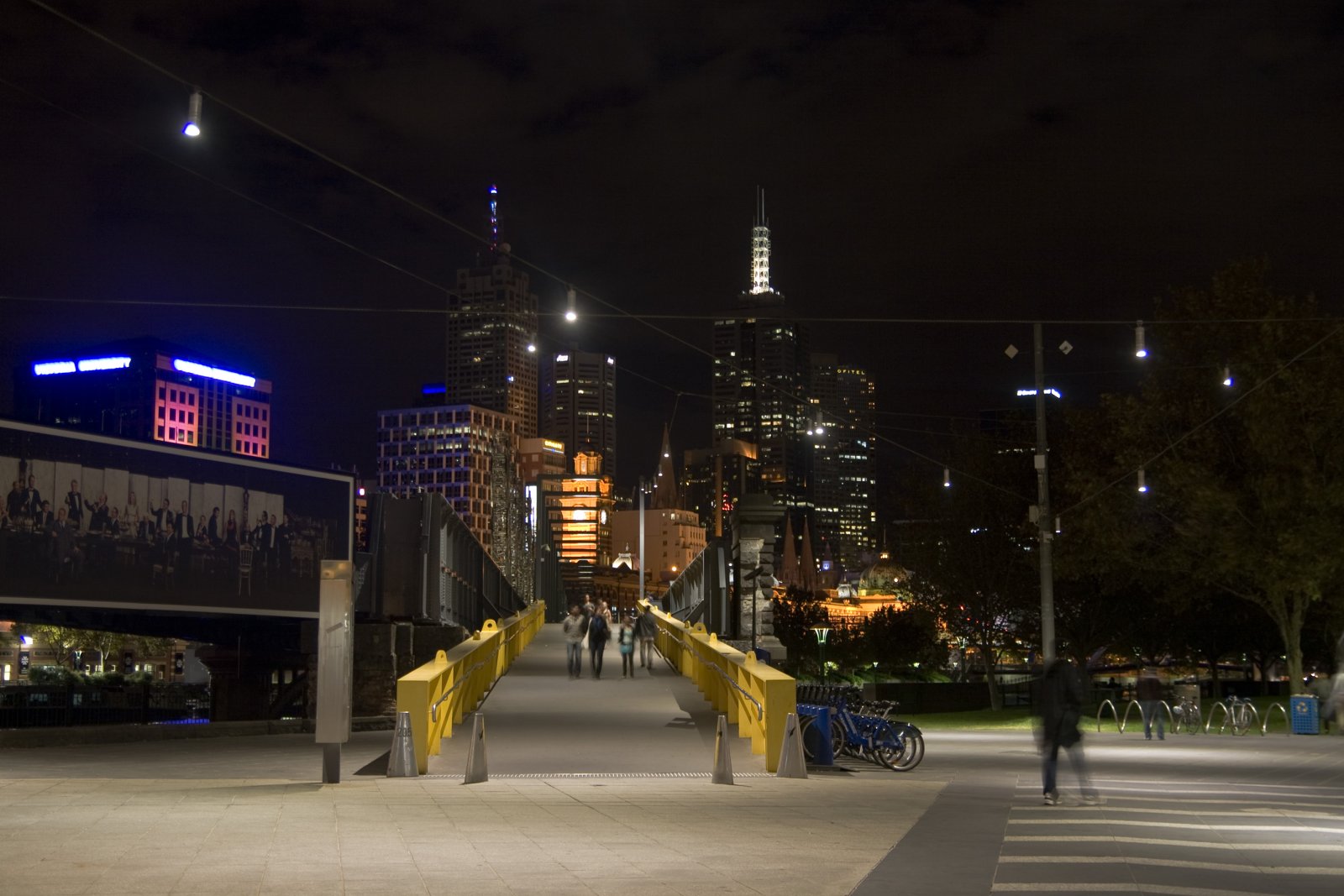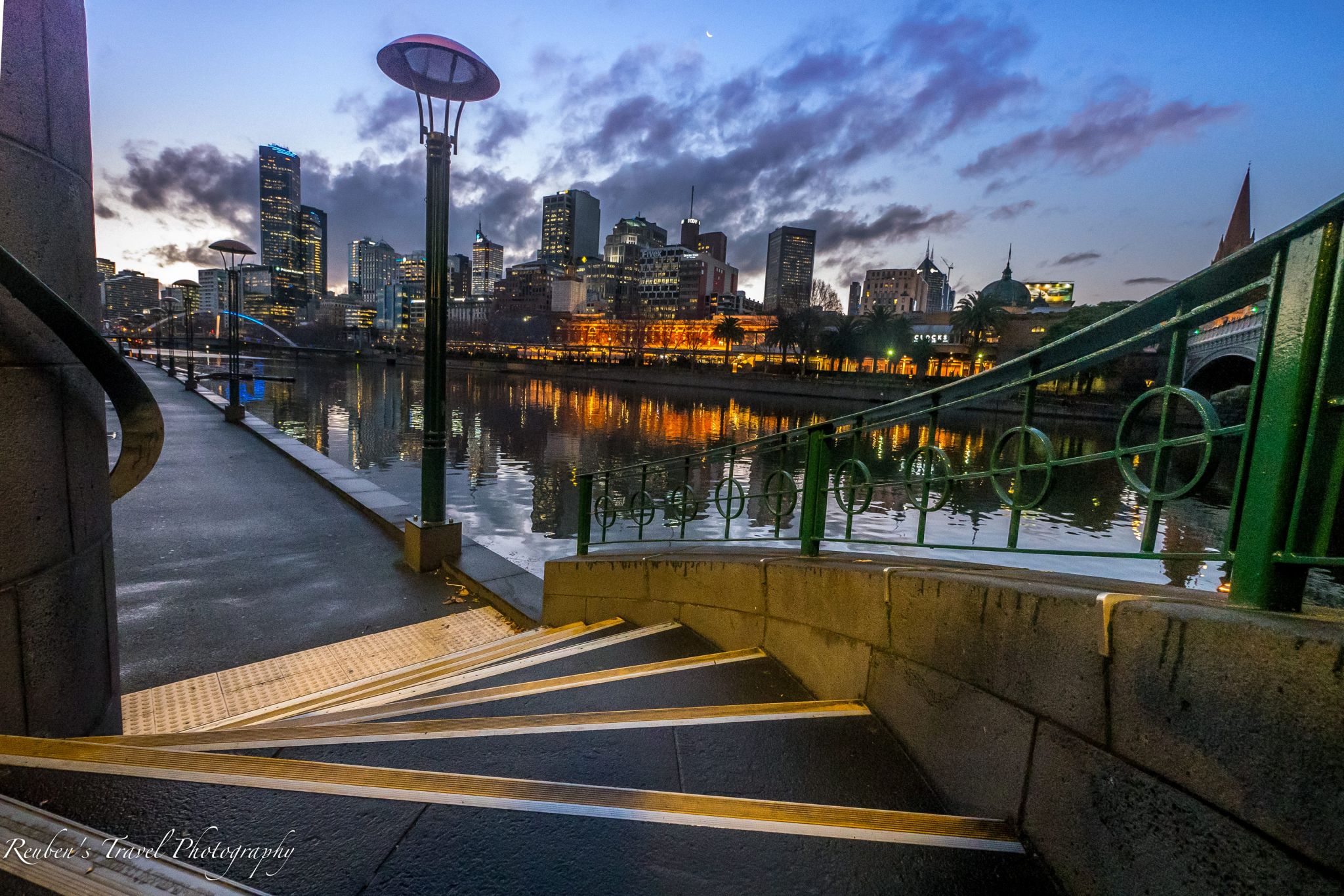

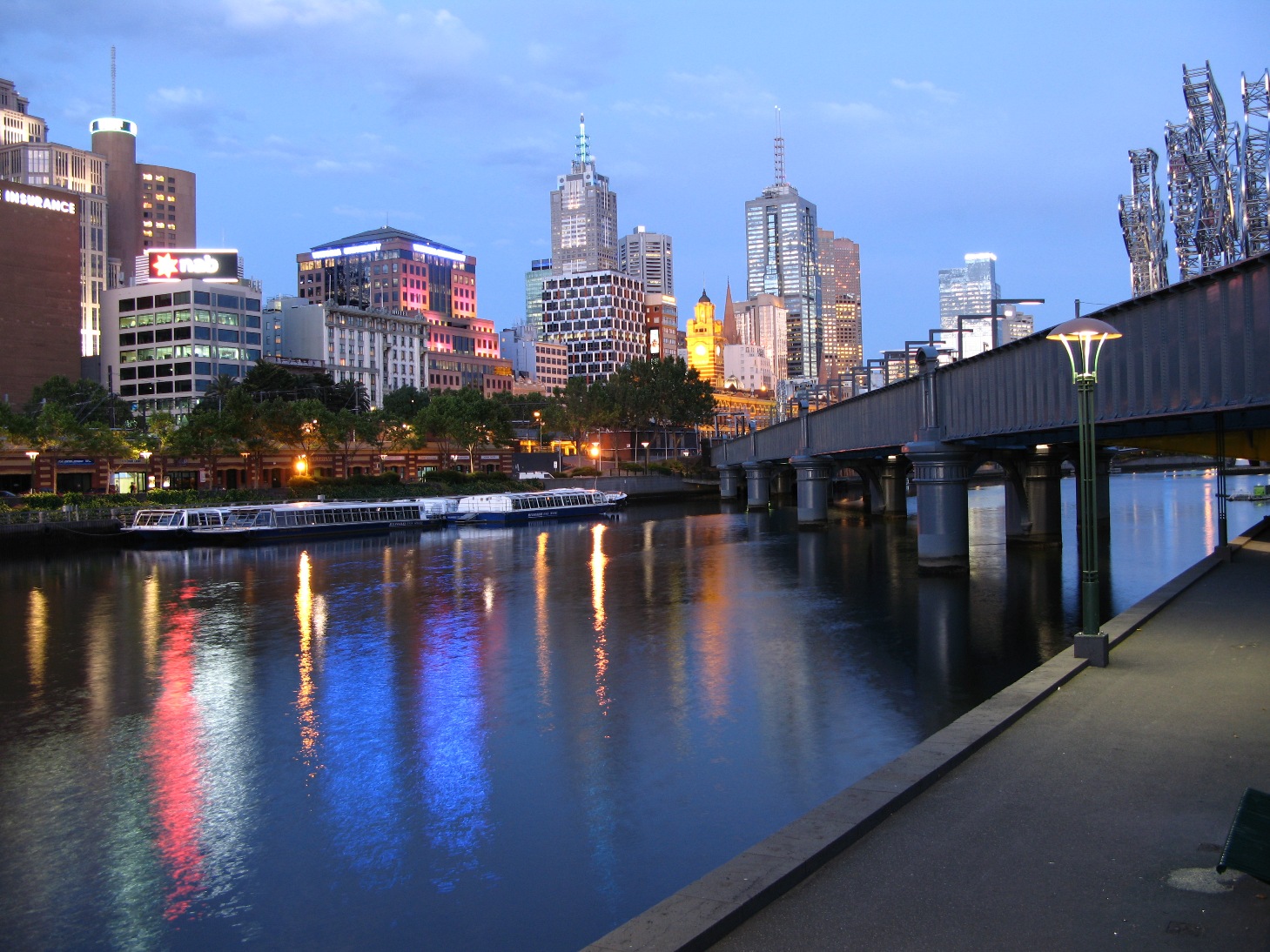
Once you step foot on the Southbank Promenade, you are greeted by a vibrant tapestry of sights, sounds, and flavors that define this iconic part of Melbourne. Running alongside the Yarra River, the promenade is not just a leisurely walkway; it is a historical corridor that encapsulates the essence of the city's evolution from its early days to its current status as a cultural hub.
### History and Origins The Southbank area has a rich history dating back to the early 19th century. Originally, the land was inhabited by the Wurundjeri people, an Indigenous Australian tribe whose connection to the Yarra River runs deep. European settlement began in the 1830s, and the area quickly transformed into a bustling industrial site. By the late 1800s, Southbank had become a vibrant community, with its first major development, the Royal Botanic Gardens, established in 1857.
The promenade as we know it today started taking shape in the late 20th century when the area underwent significant redevelopment. In 1991, the Southbank precinct was officially opened, and it has since evolved into a center for arts, dining, and entertainment, attracting both locals and tourists alike.
### Art and Architecture Strolling along the promenade, you will be captivated by a blend of modern and historical architecture. The Crown Casino, with its sleek, glass-covered façade, stands in stark contrast to the historic Sandridge Bridge, which dates back to 1888 and once served as a vital transport link across the Yarra.
Art enthusiasts will appreciate the Southbank Arts Precinct, which houses several galleries, including the National Gallery of Victoria (NGV). The NGV's International Collection is one of the most comprehensive in the Southern Hemisphere, featuring works from renowned artists like Vincent van Gogh and Claude Monet. Look out for the intriguing public art installations scattered throughout the promenade, which often reflect Melbourne's dynamic cultural landscape.
### Local Culture and Traditions Southbank is a microcosm of Melbourne's diverse cultural scene. Each year, it hosts several festivals, including the Melbourne Food and Wine Festival in March and the Melbourne International Comedy Festival in April, drawing crowds from around the world. The area is also known for its vibrant street performances, especially during weekends, when buskers showcase their talents along the promenade.
The local community values arts and culture deeply, often engaging in workshops and cultural events that celebrate both Indigenous heritage and contemporary influences. Don’t miss the chance to join an Indigenous-led walking tour to gain insights into the land’s history and significance.
### Gastronomy The culinary scene along the Southbank Promenade is a feast for the senses. The area boasts a wide range of dining options, from casual eateries to fine dining establishments. You can find everything from local seafood to international cuisine, reflecting Melbourne's multicultural identity.
Be sure to try the local favorite, parmas (chicken parmigiana), which pairs perfectly with a glass of Victorian wine. For something sweet, indulge in Lamingtons, a classic Australian dessert that consists of sponge cake coated in chocolate and rolled in coconut. The promenade is also home to a variety of cafés where you can sip on Melbourne’s renowned coffee, a point of pride for locals.
### Lesser-known Curiosities While the Southbank Promenade is popular, there are hidden gems waiting to be discovered. One such curiosity is the Yarra River's history as a trading route for the Wurundjeri people, who utilized its resources long before European settlers arrived. Another lesser-known fact is that the Melbourne Convention and Exhibition Centre, located nearby, is one of the largest venues of its kind in the Southern Hemisphere, often hosting events that draw thousands.
Keep an eye out for the “Angel” sculpture, a stunning piece that is often overlooked by tourists. Created by artist Dale Chihuly, this glass installation captures the essence of light and color, making it a perfect photo opportunity.
### Practical Visitor Information The best time to visit Southbank is during the spring (September to November) and autumn (March to May) months, when the weather is mild and perfect for outdoor activities. Bring comfortable walking shoes, as exploring the promenade on foot is the best way to soak in the sights.
Don’t forget to check the local events calendar, as there are often pop-up markets, food festivals, and art displays. Whether you’re enjoying a riverside meal or taking in the skyline views, every visit to Southbank promises a unique experience.
As you plan your visit, consider using the Secret World app to create a personalized itinerary that highlights the best of Southbank. It’s the perfect tool for uncovering the hidden treasures of this vibrant area.