
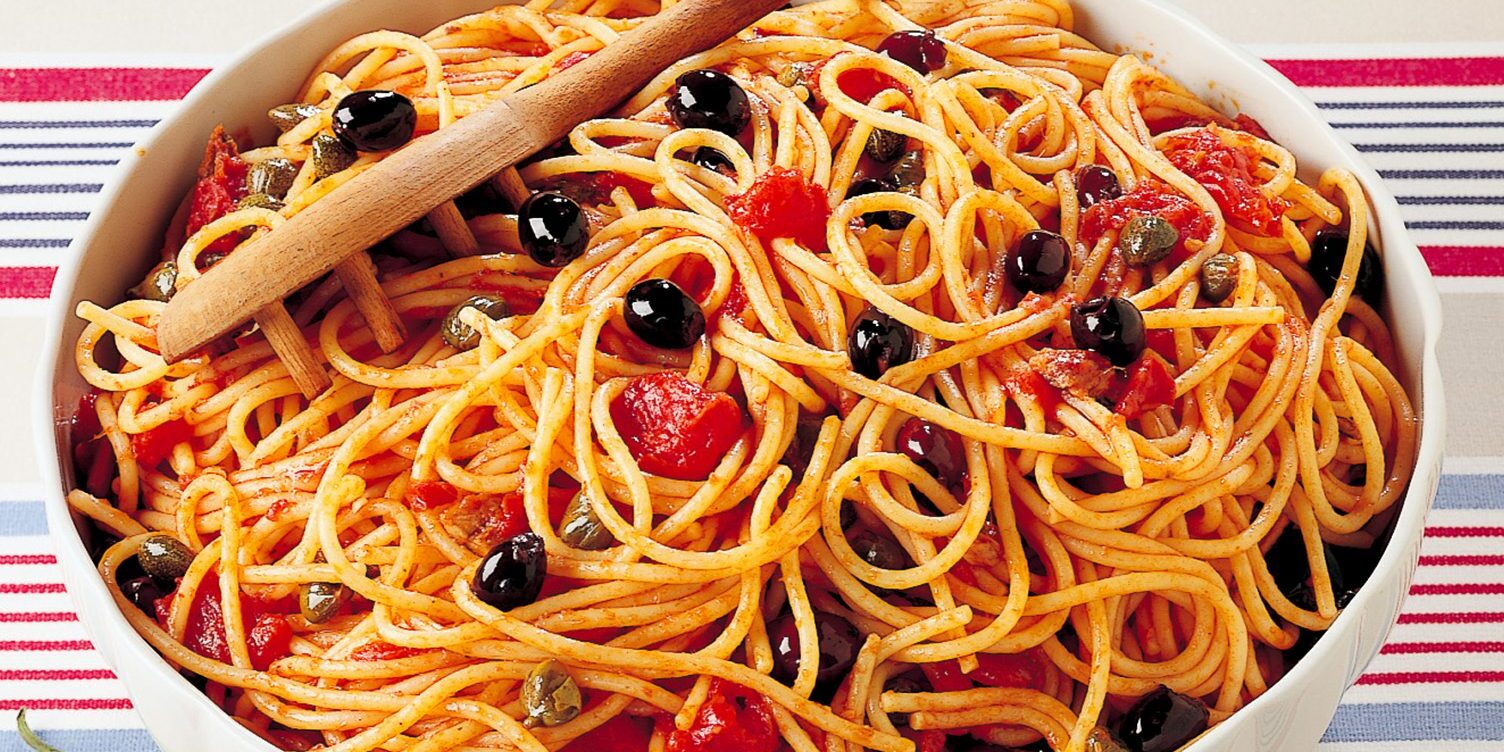

Spaghetti alla puttanesca is more than just a dish; it’s a flavorful emblem of Italian cuisine, steeped in rich history and cultural significance. The origins of this beloved pasta can be traced back to the sun-kissed coasts of Lazio and Campania, where its ingredients—peeled tomatoes, Gaeta olives, capers, and anchovy fillets—echo the rustic charm of southern Italy.
The history of spaghetti alla puttanesca is as spicy as its flavor. The most colorful tales suggest that it emerged in the 1950s at the Rangio Fellone restaurant in Ischia, an island known for its stunning vistas and culinary delights. According to local lore, the dish was a quick and easy meal favored by women of the night, allowing them to whip up something delicious with minimal effort between appointments. This connection to the streets of Naples and the shadows of the city’s vibrant nightlife adds an intriguing layer to its identity.
Another popular theory attributes the dish to the culinary genius of Antonio De Curtis, better known as Totò, a celebrated Italian actor and playwright. His love for simplicity in cooking is said to have inspired many traditional recipes, including spaghetti alla puttanesca. Regardless of its exact origins, the term "alla puttanesca" reflects the essence of improvised cooking—a quick assembly of ingredients that come together to create a delightful symphony of flavors.
As one delves deeper into the local culture, it becomes evident that spaghetti alla puttanesca is not just a dish but a part of the Italian identity. In Naples, where the dish is particularly beloved, food is a central element of life. Families gather over shared meals, and the preparation of food is often a communal activity filled with laughter and storytelling. Festivals celebrating local ingredients, such as the Festa della Pasta in Gragnano, are a testament to the cultural importance of pasta in this region.
The art and architecture of the area also reflect its rich history. The charming streets of Naples, with their baroque churches and vibrant murals, tell stories of centuries gone by. The San Carlo Theatre, Italy's oldest opera house, is a mere stone's throw from the bustling markets where fresh ingredients for spaghetti alla puttanesca are sourced. The juxtaposition of grand architecture and the animated life of the streets creates an ambiance that complements the flavors of the dish.
When it comes to gastronomy, spaghetti alla puttanesca stands as a gateway to explore the Mediterranean diet. The dish's ingredients are not only delicious but also reflect a healthy lifestyle. The combination of tomatoes, rich in antioxidants, olives with their heart-healthy fats, and the protein-packed anchovies showcases the balance of flavors and nutrition present in Italian cooking. Pair this dish with a glass of Falanghina, a local white wine, to elevate the tasting experience.
For those venturing to this gastronomic haven, seeking out lesser-known curiosities can make the journey even more rewarding. Did you know that the first documented recipe for spaghetti alla puttanesca appeared in the 1950s in the cookbook of Ada Boni, a pioneering figure in Italian culinary literature? Additionally, many locals swear by the secret ingredient: a pinch of red pepper flakes, which infuses the dish with just the right amount of heat.
The best time to visit this part of Italy is during the autumn months, from September to November, when the grape harvest brings a lively energy to the markets and festivals. Exploring the narrow streets of Naples during this period allows visitors to experience the blend of history and modernity, accompanied by the enticing aroma of fresh pasta being prepared in family-run trattorias.
For a truly immersive experience, don’t miss the opportunity to join a cooking class where you can learn to prepare spaghetti alla puttanesca under the guidance of local chefs. These classes often delve into the stories behind the ingredients and the traditions that keep this dish alive.
In summary, spaghetti alla puttanesca is a dish that embodies the essence of southern Italian culture. Its rich history, vibrant local customs, and the artistry of its ingredients make it a must-try for any traveler. To craft your personalized journey and uncover the secrets of this and other Italian culinary treasures, consider using the Secret World app to plan an unforgettable itinerary.


