


Nestled in the serene landscape of Campillo, Spain, the Iglesia de San Pedro de la Nave stands as a testament to the enduring legacy of Visigothic architecture. Relocated brick by brick in 1931 to avoid submersion by the rising waters of a nearby reservoir, this seventh-century marvel continues to captivate history enthusiasts and art lovers alike.
History and Origins
The origins of the Iglesia de San Pedro de la Nave date back to around 680 AD, during a period when the Visigoths ruled the Iberian Peninsula. The church was originally situated near the Tera River, a location that was submerged due to the construction of the Ricobayo Reservoir. Its relocation to Campillo was a herculean task, preserving the church's historical and architectural integrity. The church is an enduring reminder of the Visigothic era, a time when the Christian faith was intricately woven into the fabric of daily life.

Art and Architecture
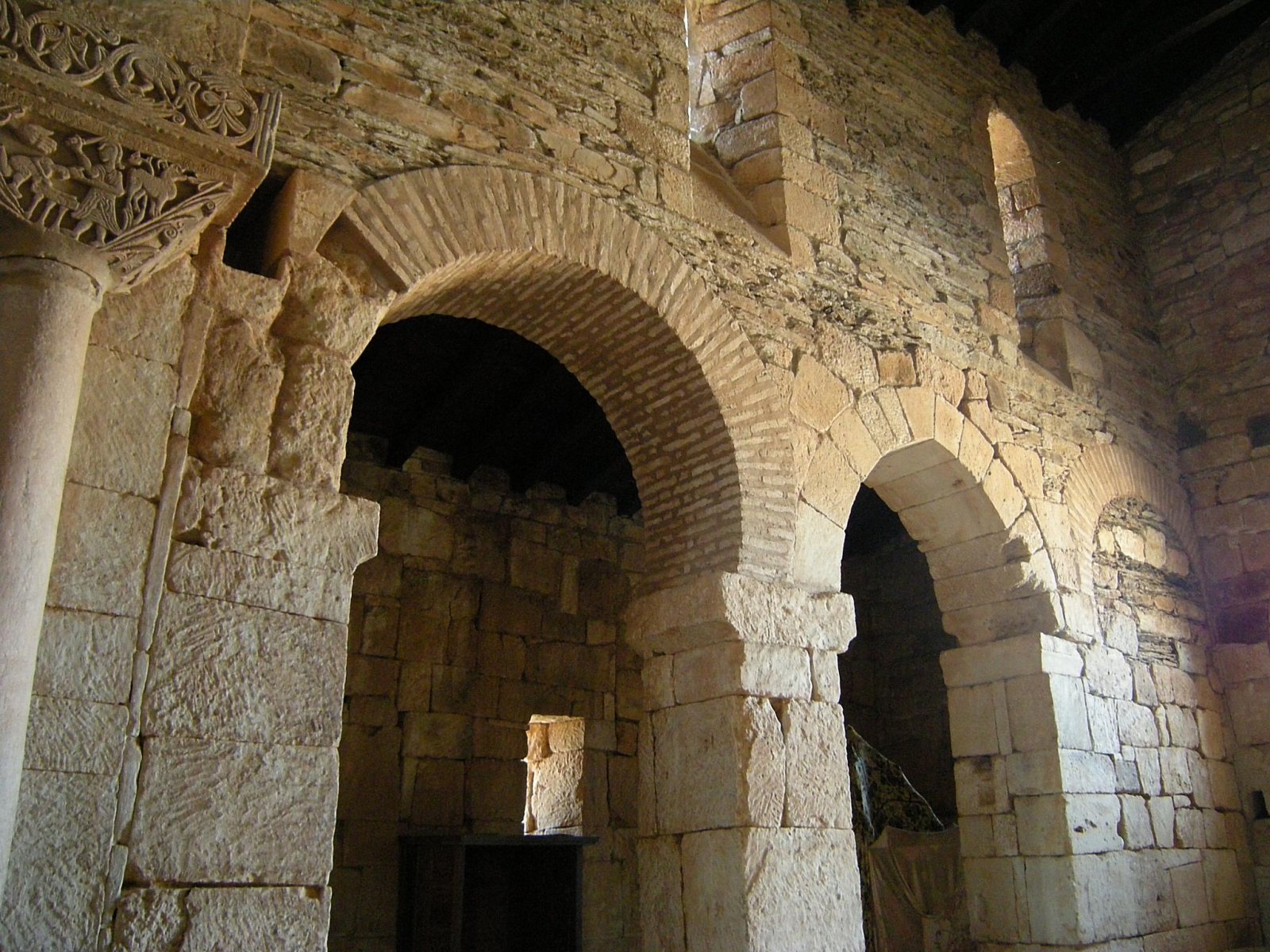
The church's architectural style is quintessentially Visigothic, characterized by its austere yet elegant design. Notable for its horseshoe-shaped arches and sturdy stone construction, the church's grandeur lies in its simplicity and the remarkable preservation of its intricate details. The carved capitals within are among the finest examples of pre-Moorish Christian sculpture in Spain. These capitals depict biblical scenes and mythical creatures, showcasing the artisans' skill and the rich religious symbolism of the time.
Local Culture and Traditions
The surrounding region of Castile and León, where Campillo is located, is steeped in cultural traditions. While San Pedro de la Nave itself does not host major festivals, the nearby towns celebrate events like Semana Santa with fervor. These celebrations are characterized by elaborate processions and traditional music, reflecting the deep-rooted Catholic traditions of the area.
Gastronomy
Visitors to Campillo can savor the rich flavors of Castilian cuisine, which includes hearty dishes such as lechazo asado (roast lamb) and morcilla (blood sausage). The region is also known for its quality wines and cheeses, offering a gastronomic experience that complements the historical allure of San Pedro de la Nave.
Lesser-Known Curiosities
One intriguing detail about the church is its alignment. The structure is oriented in such a way that, during the equinoxes, the sunlight perfectly illuminates the altar—a feature that reflects the Visigoths' advanced understanding of astronomy and spirituality. Additionally, the church houses a unique stone baptismal font, believed to be one of the oldest in Spain, underscoring its historical significance.
Practical Visitor Information
The best time to visit San Pedro de la Nave is during the mild spring or fall months, avoiding the extreme temperatures of summer and winter. Visitors should note the church's limited opening hours and consider booking a guided tour to fully appreciate its historical and artistic nuances. Don't miss the chance to explore the surrounding countryside, which is rich in both natural beauty and cultural heritage.
To craft a personalized itinerary for your trip to Campillo, consider using the Secret World app.


