



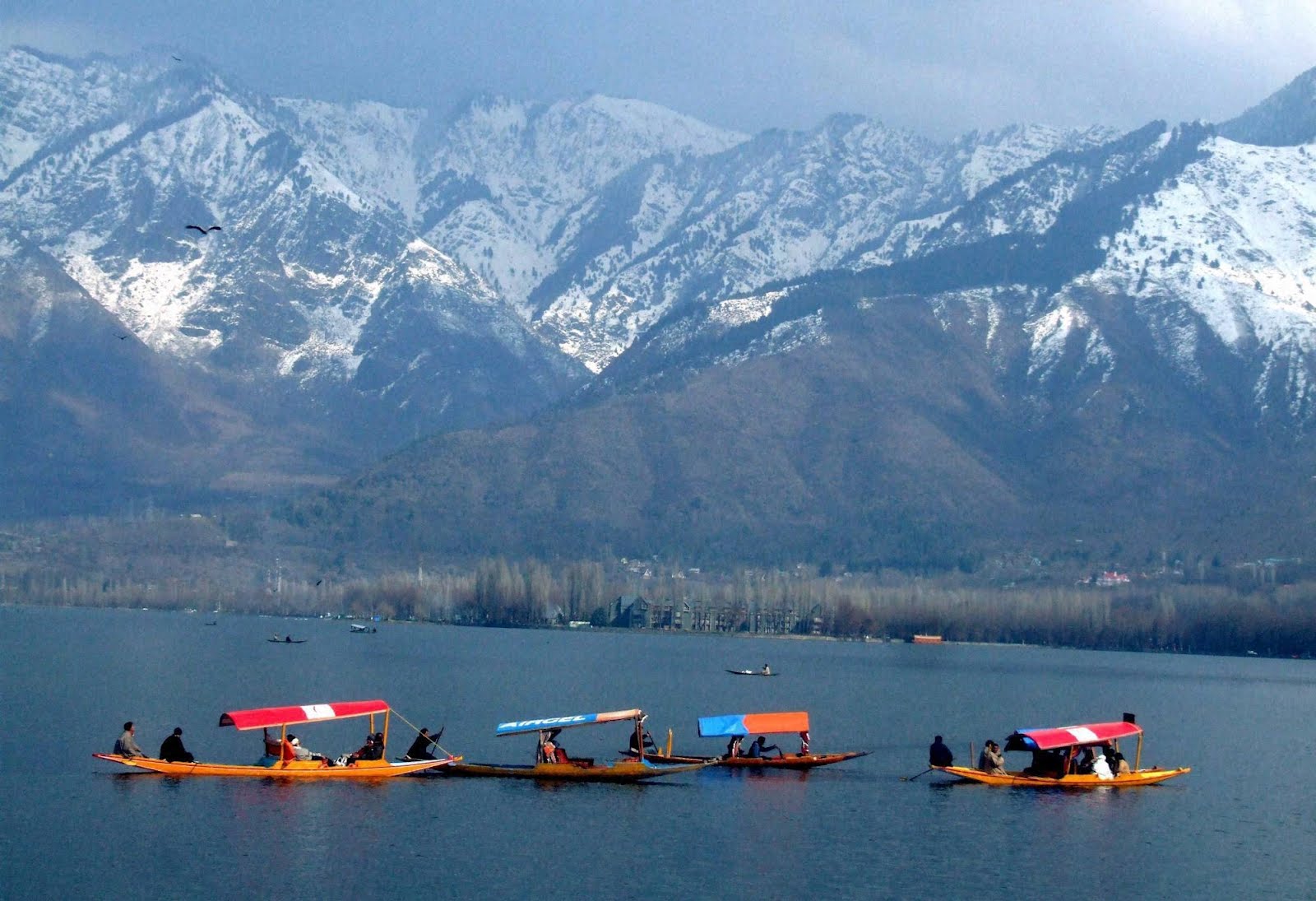
Nestled in the heart of the Kashmir Valley, Srinagar is a breathtaking tapestry of vibrant landscapes, rich history, and profound cultural heritage. Known for its pristine Dal Lake, stunning houseboats, and the majestic Zabarwan Mountain Range, this city beckons travelers with its unique charm and beauty.
History and Origins
The history of Srinagar dates back to ancient times. Founded by Emperor Ashoka in the 3rd century BCE, it became a crucial center for Buddhism and later, Hinduism. The city was originally known as Srinagari and played a pivotal role during the Mauryan Empire.
In the 14th century, Srinagar underwent a transformation with the arrival of Islam. Shah-e-Hamadan, a revered Sufi saint, is credited with spreading the religion in the region, leading to the construction of numerous mosques and shrines that continue to adorn the city. The Mughal era brought further prosperity, with emperors like Jahangir and Shah Jahan contributing to its architectural grandeur. The Mughal Gardens, with their intricate terraced designs, remain a testament to this opulent period.
Art and Architecture
Srinagar is a treasure trove of artistic expression, particularly evident in its architecture. The city showcases a unique blend of Mughal, Persian, and local styles. The Jamia Masjid, built in 1672, is an architectural marvel with its Indo-Saracenic design and beautiful wooden pillars.
The intricacies of Kashmiri woodwork can be seen in the traditional houseboats, crafted from cedar wood and adorned with ornate carvings. Not far behind are the Shankaracharya Temple and the Khir Bhawani Temple, both offering insights into the spiritual and architectural diversity of the region.
In addition, Srinagar is famous for its exquisite Pashmina shawls and Kashmiri carpets, each piece narrating stories of the artisans who dedicate years to perfect their craft. The Kashmiri papier-mâché art, with its bright colors and intricate designs, is another beloved form of local artistry that enchants visitors.
Local Culture and Traditions
The cultural fabric of Srinagar is woven with diverse threads of tradition. The locals, known for their warm hospitality, celebrate a variety of festivals throughout the year. Eid, Navroz, and Vaisakhi are celebrated with great fervor, showcasing the city's communal harmony.
Wazwan, a traditional Kashmiri feast, is a significant part of the local customs. This multi-course meal reflects the rich culinary heritage of the region, often served during weddings and special occasions. The art of Gharwans, or traditional Kashmiri hospitality, remains a cherished custom, where guests are treated with utmost respect and care.
Gastronomy
Srinagar is a gastronomic delight, offering a plethora of flavors that reflect the region's heritage. Signature dishes include Rogan Josh, tender lamb cooked in aromatic spices, and Yakhni, a yogurt-based dish often made with chicken or mutton. The famed Kashmiri Dum Aloo and Gushtaba—a meatball delicacy—are must-try items for food enthusiasts.
For those with a sweet tooth, Kashmiri saffron and Kewra flavored sweets, such as Shahi Tukda, offer a taste of luxury. Don’t miss the chance to sip on Kashmiri Chai, a pink tea enriched with cardamom and garnished with crushed nuts—perfect for warming up on a chilly evening.
Lesser-Known Curiosities
Beyond its well-trodden paths, Srinagar hides intriguing stories and facts. Many visitors are unaware that the city is home to the Shankaracharya Temple, which sits atop a hill, offering panoramic views of Dal Lake. The temple is dedicated to Lord Shiva and is believed to have been built in the 9th century.
Another captivating aspect is the floating gardens of Dal Lake, where locals cultivate vegetables and flowers on small plots of land that drift on the water. This unique method of farming, known as “Raad”, is a testament to the region's resourcefulness and adaptability.
Practical Visitor Information
The best time to visit Srinagar is during the spring (March to May) and autumn (September to November) when the weather is mild and the gardens are in full bloom. It’s advisable to dress in layers, as temperatures can drop in the evenings.
When exploring the city, take time to wander through the lively Lal Chowk market, where you can find everything from handicrafts to local spices. Also, don’t miss a shikara ride on Dal Lake to fully immerse yourself in the serene beauty of the area.
For a personalized experience, consider using the Secret World app to help you craft an itinerary that uncovers the hidden gems of this enchanting destination.
