



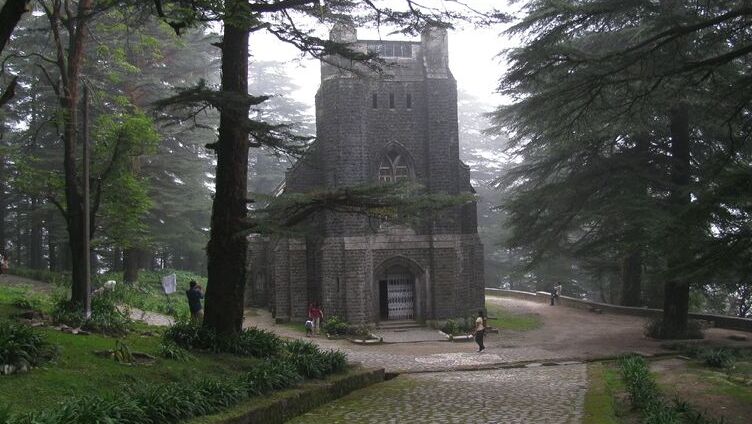
Nestled in the serene beauty of the Himalayas, St. John’s Church in the Wilderness stands as a remarkable testament to the rich tapestry of Dharamshala’s history and culture. Built in 1852, this Anglican Church is dedicated to John the Baptist and serves as a tranquil retreat for visitors seeking solace amidst towering deodar trees. The church, located on the road to McLeodGanj at Forsyth Gunj, is not only a spiritual haven but also a significant landmark that echoes the colonial past of this region.
### History and Origins
The history of St. John’s Church is deeply intertwined with the colonial era of India. Commissioned in 1852, it was constructed under the guidance of the British, as a place of worship for the expatriate community residing in Dharamshala. The church’s establishment reflected the growing presence of the British Raj in the region, especially as Dharamshala became a favored retreat for British officers escaping the sweltering plains of India.
The church was consecrated by Bishop William Campbell in 1852, and it has witnessed significant historical events, including the aftermath of the First Anglo-Sikh War and the subsequent rise of Dharamshala as a prominent hill station. In 1905, a severe earthquake damaged the structure, but it was soon restored, preserving its historical integrity while adapting to the changing needs of the community.
### Art and Architecture
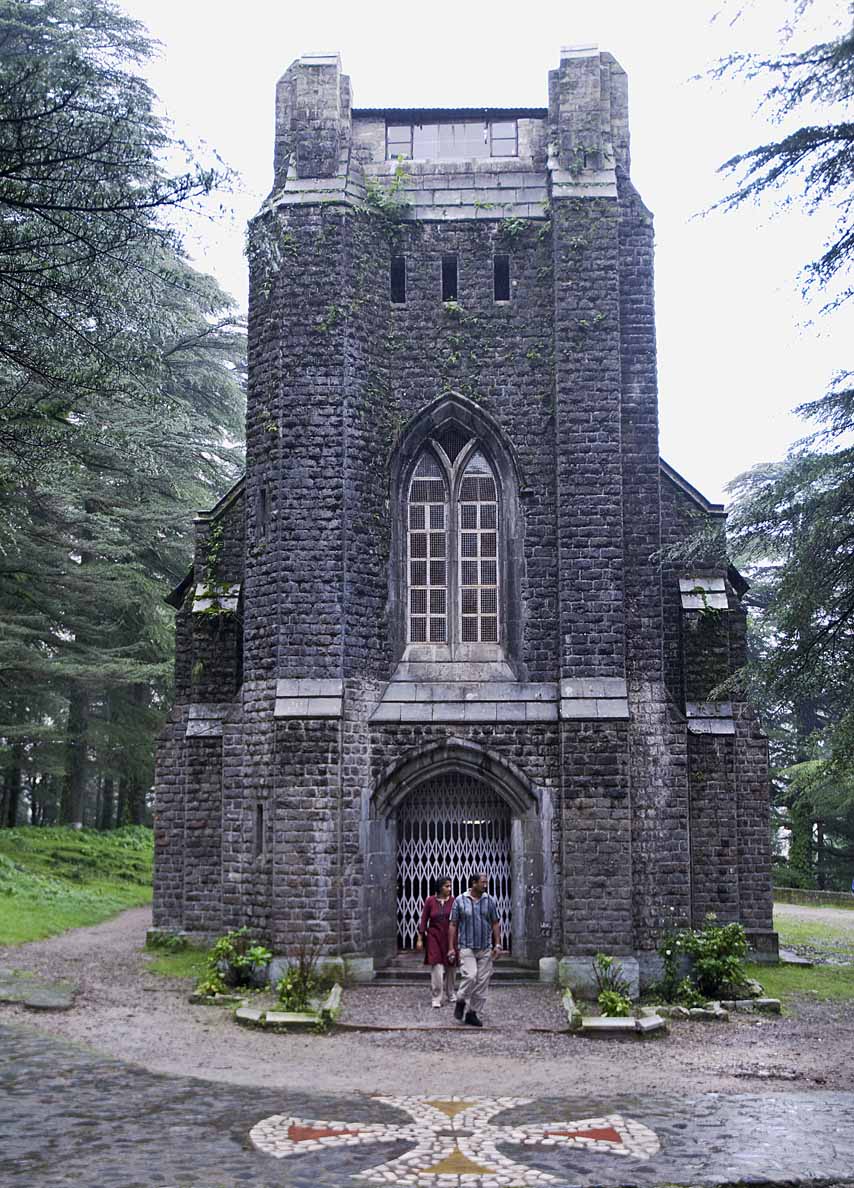
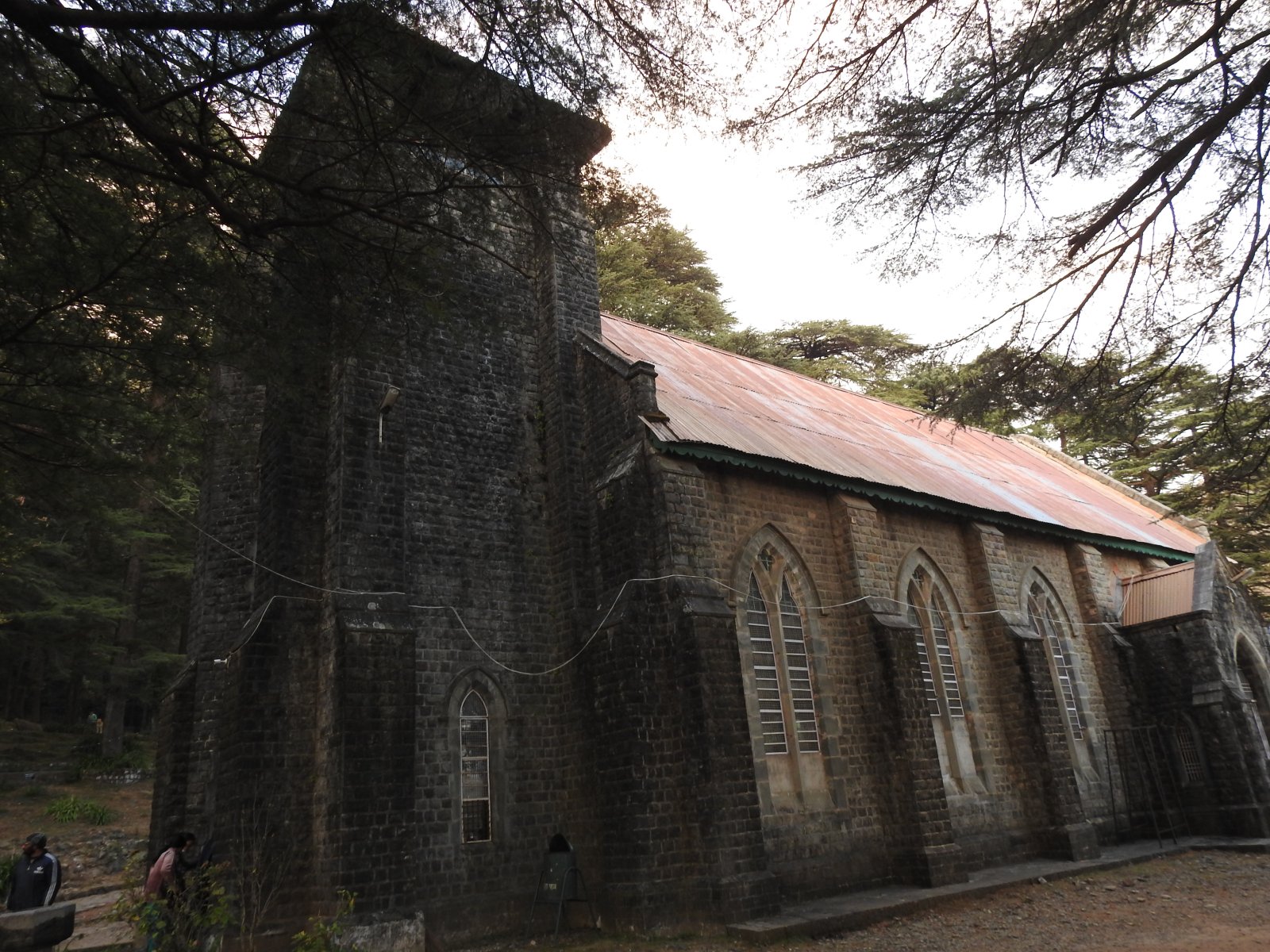
St. John’s Church is a striking example of neo-Gothic architecture, characterized by its pointed arches, ribbed vaults, and intricate detailing. The exterior is built from local stone, giving it a rustic charm that blends seamlessly with its forested surroundings. One of the most remarkable features of the church is its Belgian stained-glass windows, donated by Lady Elgin—Mary Louisa Lambton, the wife of Lord Elgin, who served as the British Viceroy of India from 1862 to 1863.
These stained-glass windows depict various biblical scenes and are a stunning focal point, allowing vibrant colors to dance across the church’s interior when sunlight filters through. The overall ambiance of the church, combined with the gentle sounds of nature, creates a meditative atmosphere that captivates both worshippers and visitors alike.
### Local Culture and Traditions
The cultural significance of St. John’s Church extends beyond its architectural beauty. It serves as a focal point for the local community, where both Christians and Hindus come together in harmony. The church hosts various festivals and events throughout the year, including Christmas and Easter celebrations, which are marked by traditional music, dance, and communal feasting.
Moreover, the church is often a venue for weddings and christenings, showcasing local customs and traditions. The surrounding area is rich in Tibetan culture, influenced by the presence of the Tibetan government-in-exile in nearby McLeodGanj, making it a melting pot of diverse customs and practices. Visitors may also find local artisans selling crafts and goods that reflect this cultural blend, adding to the experience of the area.
### Gastronomy
Exploring the flavors of Dharamshala is a culinary adventure not to be missed. Nearby, visitors can find local eateries serving authentic Himachali cuisine. Dishes like chana madra (chickpeas in a yogurt sauce), siddu (steamed bread), and kullu trout highlight the region's agricultural richness.
Additionally, the influence of Tibetan culture is evident in the local food scene. Restaurants and cafes offer momos (dumplings), thukpa (noodle soup), and butter tea, providing a delightful mix of flavors. The warm, inviting atmosphere of these establishments complements the serene experience at St. John’s Church, making it an ideal spot for weary travelers to recharge.
### Lesser-Known Curiosities
While the beauty of St. John’s Church is apparent, some lesser-known facts add depth to its allure. The church is rumored to be haunted, with local tales recounting sightings of a ghostly priest wandering the grounds. Additionally, it is said that the surrounding deodar trees are over 1,000 years old, making them some of the oldest living beings in the region.
The churchyard is also the resting place of several British expatriates, and the gravestones tell stories of lives lived during the colonial period. Each stone is etched with names and dates, inviting visitors to ponder the narratives behind them. This blend of history, mystery, and nature creates a unique atmosphere rarely found in other tourist spots.
### Practical Visitor Information
The best time to visit St. John’s Church is between March and June or September to November, when the weather is pleasant and conducive for outdoor exploration. Visitors can easily reach the church via a short trek from Dharamshala or McLeodGanj, and the trail is surrounded by scenic views that enhance the journey.
When visiting, take a moment to admire the intricate details of the stained-glass windows and the tranquil setting. It’s advisable to respect the environment by keeping the area clean and observing local customs while interacting with residents.
For those looking to immerse themselves fully in the experience, download the Secret World app to plan your personalized itinerary, ensuring you explore everything Dharamshala has to offer.
