
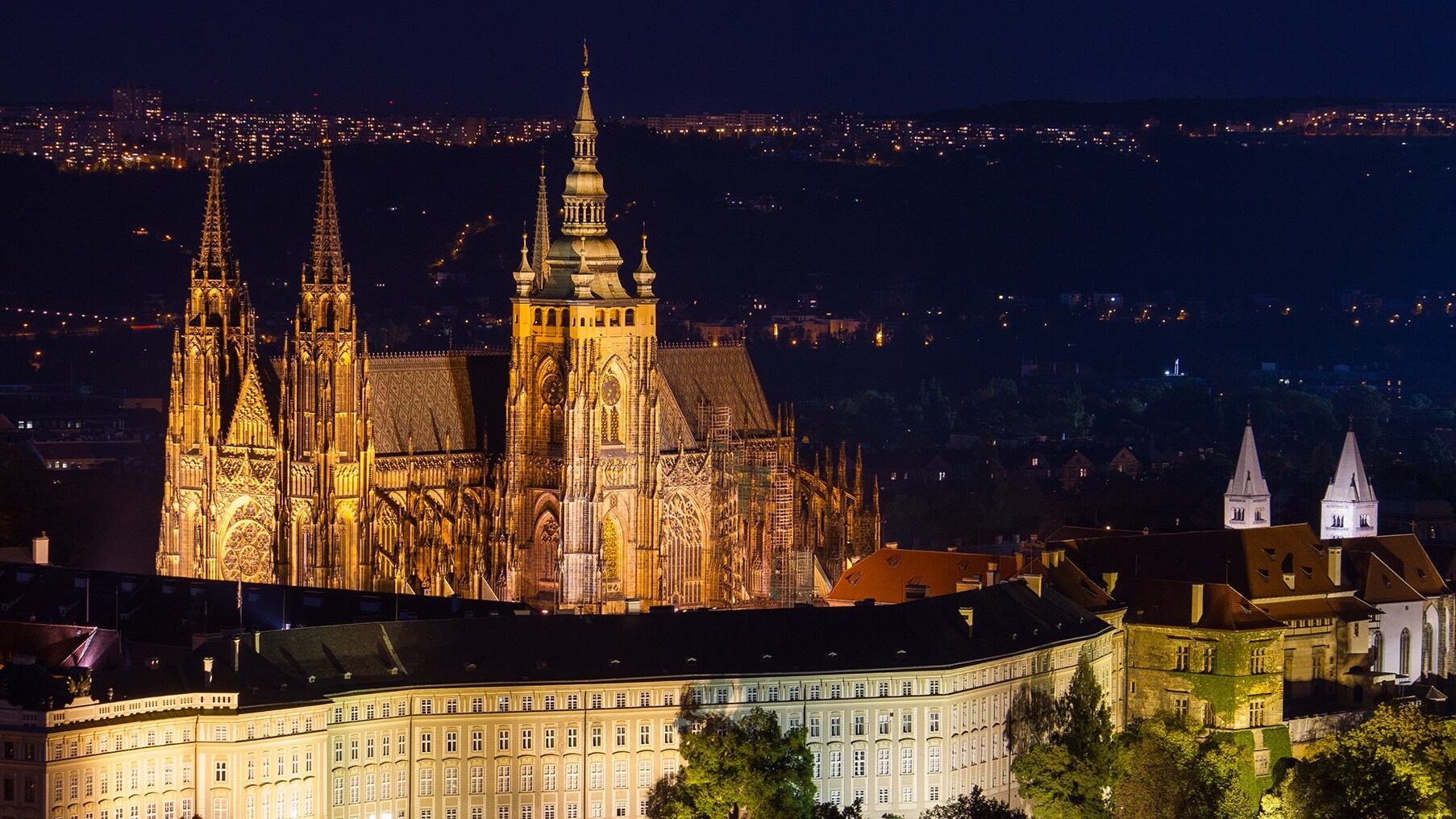

Standing majestically within the sprawling grounds of Prague Castle, St. Vitus Cathedral is a testament to the rich history and artistic prowess of the Czech Republic. This Gothic masterpiece, with its towering spires and intricate details, has become a symbol of national pride. Its long and storied history dates back to the 9th century when it was originally founded as a Romanesque basilica. Over the centuries, it has undergone numerous transformations, reflecting the changing tastes and political climates of the times. Key figures such as Charles IV, the Holy Roman Emperor, played a pivotal role in its development, commissioning the cathedral's construction in the 14th century to serve as the final resting place for Czech kings and saints.
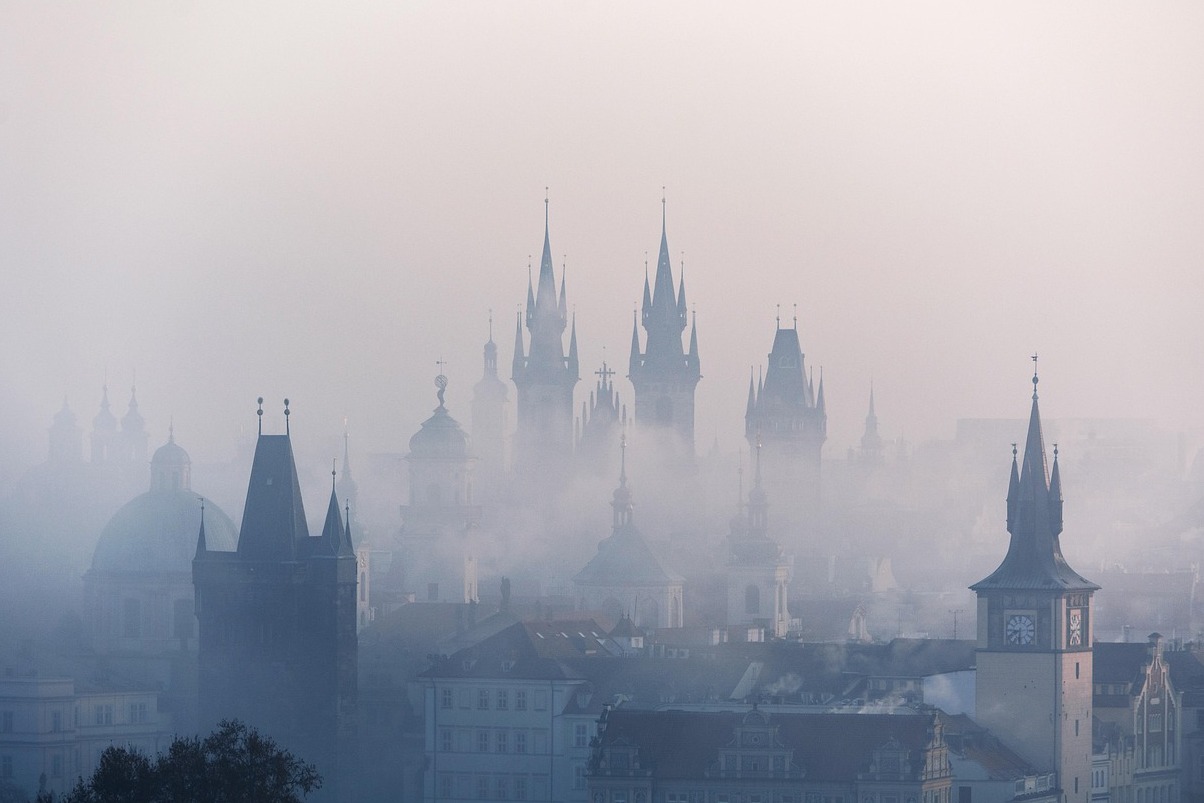
The architectural style of St. Vitus Cathedral is a stunning example of Gothic architecture, characterized by its pointed arches, ribbed vaults, and flying buttresses. Its construction spanned over 600 years, with the final touches completed in 1929. Visitors are often awestruck by the Great South Tower, which rises to a staggering height of over 90 meters (295 feet). Climbing the 287 steps to the top rewards the intrepid with panoramic views of Prague, a city of spires and history spread out beneath.
Inside, the cathedral is adorned with remarkable artworks that narrate the rich tapestry of Czech history. The St. Wenceslas Chapel, decorated with intricate mosaics and stained glass, is dedicated to the patron saint of Bohemia. Here, you will find the Crown Jewels of the Czech Republic, a stunning collection that includes the crown, scepter, and orb used in royal ceremonies. The Art Nouveau stained glass windows created by Alfons Mucha are particularly noteworthy, adding a modern vibrancy to the cathedral's ancient walls.

Culturally, St. Vitus Cathedral holds a significant place in the hearts of the Czech people. The cathedral is not just a place of worship; it is a venue for various cultural events and festivals throughout the year. The Feast of St. Wenceslas, celebrated in late September, draws pilgrims and tourists alike, showcasing the enduring legacy of this historical figure and the importance of the cathedral in Czech identity.
No visit to Prague would be complete without indulging in the local gastronomy. Nearby, you can find cozy eateries serving traditional Czech fare. Be sure to try svíčková, a marinated beef dish served with a creamy sauce, or trdelník, a sweet pastry often enjoyed as a snack while exploring the castle grounds. Pair these dishes with a glass of Pilsner Urquell, the world-famous Czech lager that perfectly complements the hearty cuisine.
Among the many wonders of St. Vitus Cathedral, there are also lesser-known curiosities that add to its allure. For instance, the cathedral's crypt is the final resting place of many Czech kings, yet it remains a quiet, often overlooked part of the structure. Additionally, the Gargoyles that adorn the exterior serve not only as decorative elements but also as waterspouts, channeling rain away from the cathedral’s walls — a clever solution from centuries past.
When planning your visit, the best time to experience St. Vitus Cathedral is during the spring or early autumn when the weather is mild and the crowds are thinner. Arrive early in the morning to avoid long lines and have ample time to explore both the interior and the exterior of this grand edifice. Don’t forget to look for the Golden Portal, the main entrance, adorned with intricate sculptures that tell stories from the Bible, and take a moment to appreciate the craftsmanship that has gone into this architectural wonder.
In conclusion, St. Vitus Cathedral is not just a sight to behold; it is a vibrant symbol of Czech history, art, and culture. Every corner of this majestic cathedral whispers tales of the past, inviting visitors to immerse themselves in its rich narrative.
For a truly personalized experience in Prague, consider using the Secret World app to plan your itinerary.


