



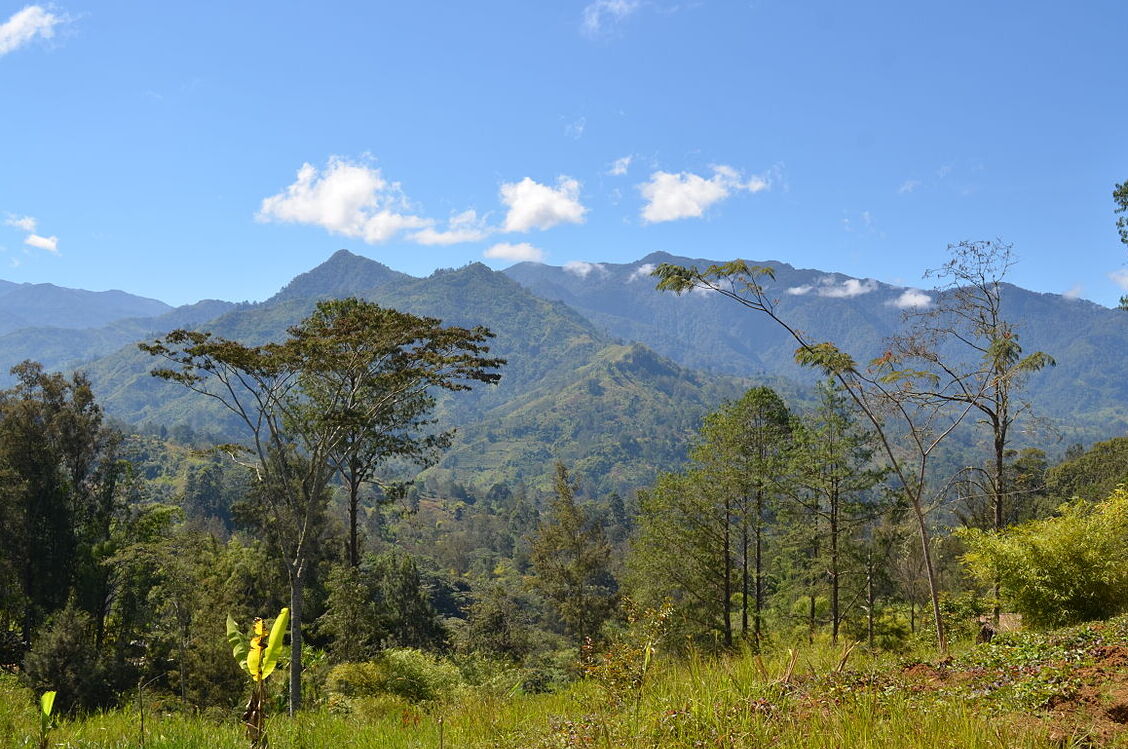
Star Mountains, Papua New Guinea—a name that conjures images of breathtaking landscapes and untouched wilderness. Nestled in the western highlands, this remote region is not only home to the majestic Hindenburg Wall, a limestone network of towering plateaus, but also a treasure trove of biodiversity and rich cultural heritage.
### History and Origins The Star Mountains have a storied past that intertwines with the ancient traditions of the Papuan people. Indigenous groups such as the Dani, Lani, and Yali have inhabited this rugged terrain for thousands of years. Their lives have been intricately connected to the land, with oral histories passed down through generations, steeped in myths about the mountains and their spirits.
European explorers first set eyes on the Star Mountains in the late 19th century. Notably, in 1938, the German explorer Heinrich Harrer documented his travels in the region, highlighting the striking landscapes and the resilience of the local communities. The mountains became more accessible in the mid-20th century, leading to an influx of scientific exploration, particularly during the 1960s, when researchers began to study the unique ecosystems.
### Art and Architecture While the Star Mountains are primarily known for their stunning natural beauty, the local cultures also express their identity through art. Traditional Papuan art often features intricate carvings, vibrant textiles, and ceremonial masks. The Dani, for instance, are famed for their elaborate body paint and unique headdresses made from bird feathers, which they wear during cultural performances and festivals.
Architecture in the region is characterized by haus tambaran—spirit houses that serve as communal spaces for rituals and gatherings. These structures, often adorned with traditional motifs, reflect the deep spiritual connection the people have with their environment.
### Local Culture and Traditions The Star Mountains are vibrant with local customs and traditions. Festivals like the Wamena Cultural Festival celebrate the rich tapestry of Papuan culture through music, dance, and art. Held annually in Wamena, the festival draws together various tribes, showcasing their unique traditional attire and performances that narrate ancient stories.
The local belief systems are deeply rooted in animism, with many tribes revering the spirits of their ancestors and the natural world. Rituals involving offerings to these spirits are commonplace, particularly during planting and harvesting seasons, as a way to ensure a bountiful yield.
### Gastronomy The gastronomy of the Star Mountains is a reflection of the region's natural resources and cultural heritage. Local cuisine often includes staple foods such as sweet potatoes, taro, and cassava, which are typically cooked in an underground oven called a mumu. This traditional cooking method imparts a unique flavor, making the food a cherished part of local gatherings.
Meat is also a significant aspect of the local diet, often featuring pork and chicken, particularly during celebrations. The people of the Star Mountains have a deep respect for their food sources, often engaging in communal hunts and farming.
### Lesser-Known Curiosities Despite its remote location, the Star Mountains hold many hidden gems that most tourists may miss. For instance, the area's unique biodiversity includes rare species such as the New Guinea singing dog, which is believed to be one of the world's oldest dog breeds. Recent biological surveys have uncovered over 1,100 species of plants and animals, with nearly 100 species identified as new to science.
The region is also home to a fascinating phenomenon known as "crocodile men", where local tribes perform rituals that involve dressing as crocodiles, symbolizing strength and resilience—a unique blend of spirituality and cultural identity.
### Practical Visitor Information For those looking to explore the Star Mountains, the best time to visit is during the dry season, typically between May and October. This period offers clearer skies and more accessible trails, allowing for an immersive experience in nature.
Travelers should be prepared for the challenges of remote travel—hiking gear, sufficient supplies, and a knowledgeable guide are essential. Look for opportunities to engage with local communities, which can enrich your understanding of the diverse cultures that inhabit this stunning region.
In conclusion, the Star Mountains of Papua New Guinea offer an unparalleled blend of natural wonders, rich cultures, and fascinating histories. To truly appreciate this remote paradise, consider using the Secret World app to plan a personalized AI itinerary.
