
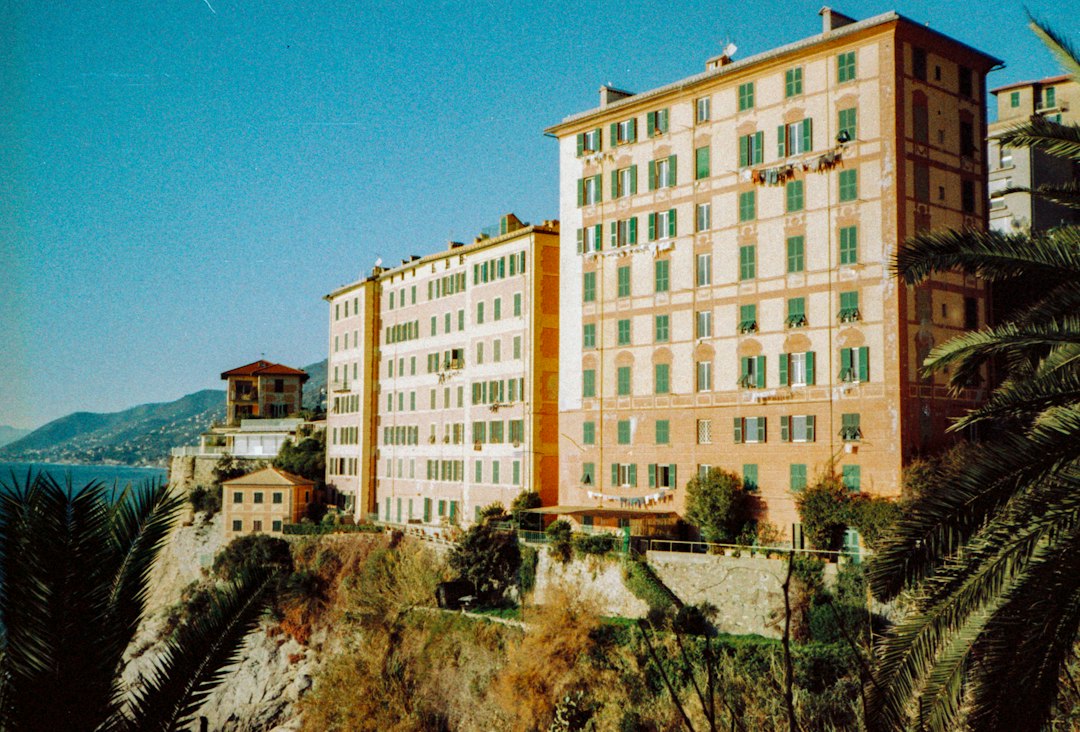

About 80 kilometers southwest of the capital Djibouti, the city of Ali Sabieh rises on a volcanic plateau that reaches 700 meters in altitude, where the dry air of the Horn of Africa and the almost total absence of light pollution transform every clear night into an astronomical spectacle difficult to match in the region. When the sun sets beyond the basalt hills, the sky does not turn to urban gray: it becomes black, deeply black, and the stars do not appear one by one but all at once, as if someone had spilled a jar of salt on a velvet cloth.
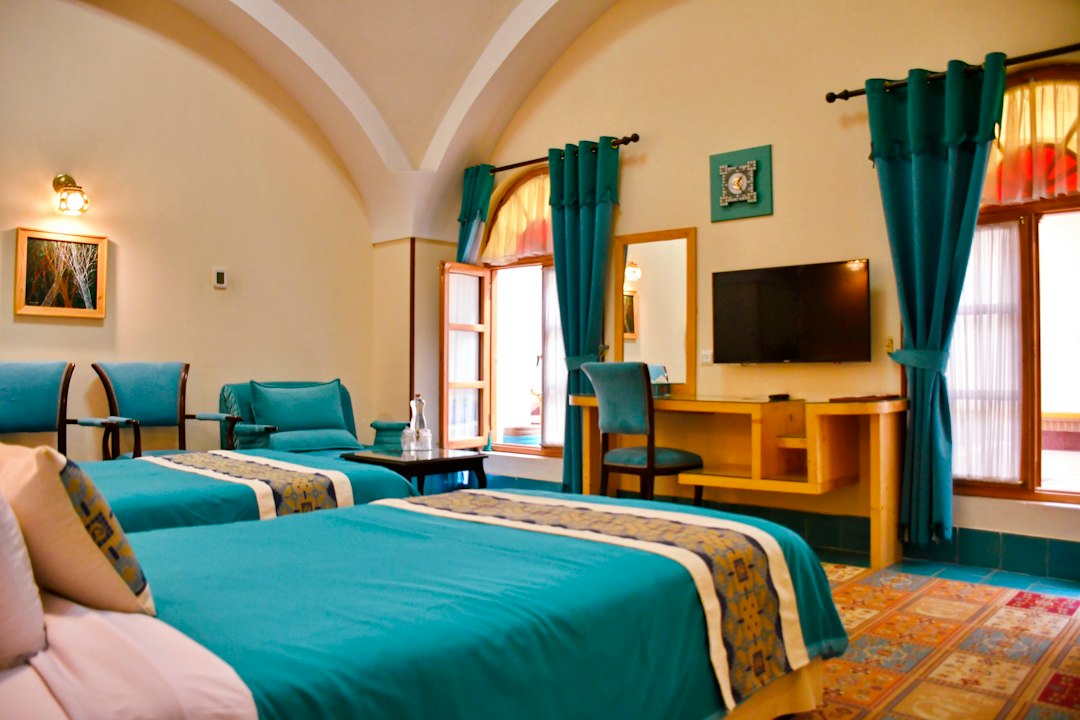
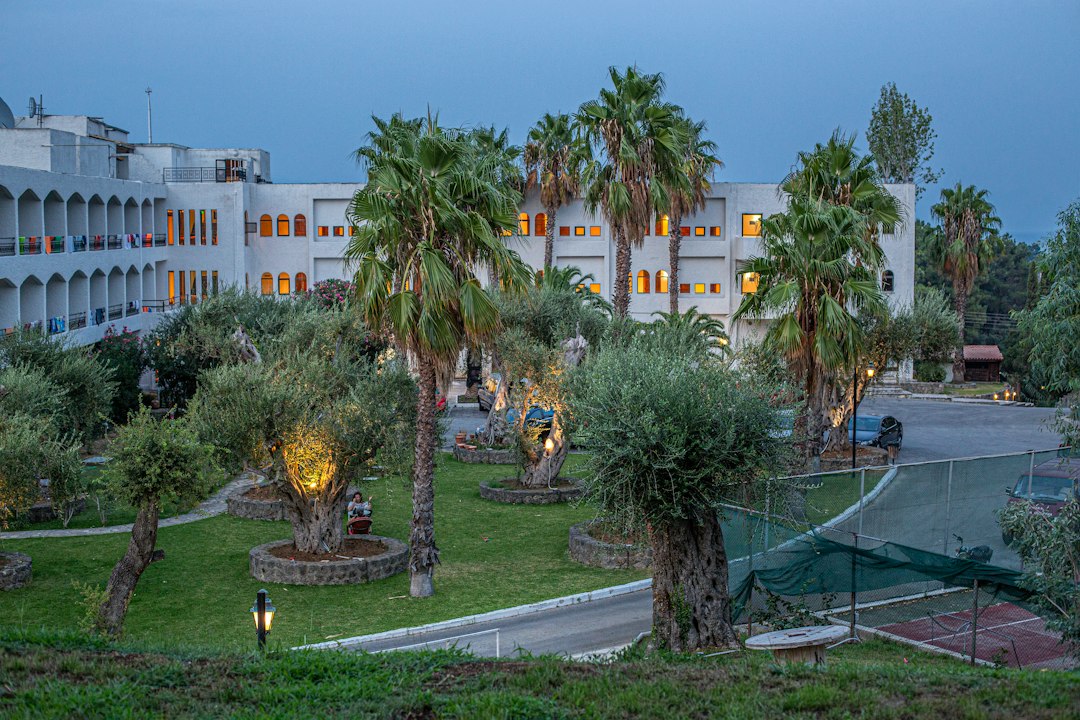
The Ali Sabieh Hotel represents the logistical starting point for those who want to venture towards the most remote observation sites of the plateau. The facility offers a concrete anchor in a border town where services for travelers are limited, and the local staff knows the dirt tracks that lead to the higher and darker areas of the surrounding territory. It is not a luxury resort, but that is exactly what makes it useful: a functional place in a corner of the world that rewards those who arrive prepared.
The volcanic plateau and the sky of the Horn of Africa
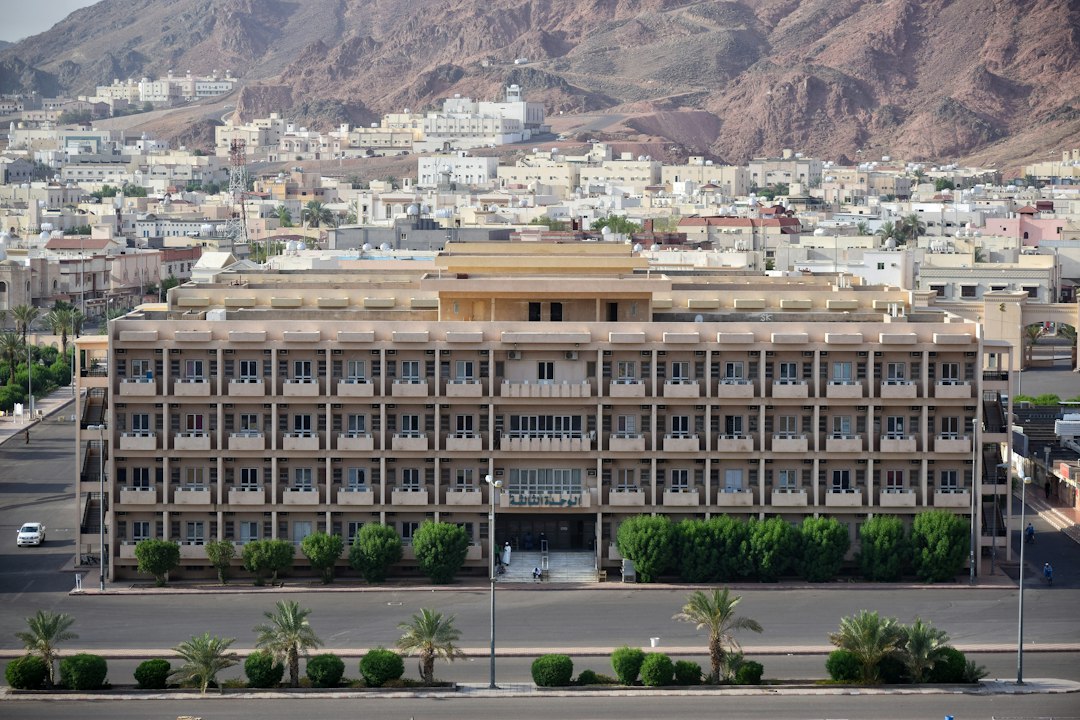
The plateau on which Ali Sabieh stands is the result of volcanic activity that has shaped the entire geology of Djibouti, one of the planet's geologically youngest and most dynamic countries, located on the African Rift Valley. The dark basalt rocks that emerge everywhere absorb heat during the day and slowly release it at night, creating a dry and stable microclimate that favors atmospheric transparency. The relative humidity on many winter nights drops below 20%, a condition that amateur astronomers consider ideal for naked-eye observation.
At these altitudes and in these conditions, the Milky Way is not a vague impression: it is a visible structure, with bands of stellar dust distinguishable without binoculars. The Southern Cross, an iconic constellation of the southern hemisphere that remains below the horizon at European latitudes, here culminates high enough to be observed in its entirety. The latitude of Ali Sabieh is about 11 degrees north, far enough south to open a window to the southern sky that most European travelers have never seen.
How to reach the best observation sites
The city of Ali Sabieh can be reached from Djibouti city in about an hour and a half by taking the national road N1, one of the main arteries of the country. The stretch is paved and generally in acceptable condition. To venture beyond the city towards the higher and darker points of the plateau, a 4WD vehicle is essential: the dirt tracks that cross the basalt are not passable with two-wheel drive cars, especially after the rare but intense seasonal rains. Some local operators offer guided night excursions, a recommended solution for those unfamiliar with the area.
The best time for astronomical observation coincides with the dry season, which roughly runs from November to April. During the summer months, extreme heat and increased humidity reduce sky quality. New moon nights are obviously preferable: consulting a lunar calendar before planning the trip makes the difference between an extraordinary sky and just a good one. Bringing enough water is non-negotiable: nighttime temperatures drop, but the context remains desert-like.
What to observe and what to expect
With the naked eye, on the best nights, it is possible to distinguish the Magellanic Clouds, the satellite galaxies of the Milky Way visible only from the southern hemisphere and low northern latitudes. These are two diffuse bright patches that appear as fragments of the Milky Way detached from the main body: the Large Magellanic Cloud and the Small Magellanic Cloud. For a European observer seeing them for the first time, the impact is surprising because no photograph truly conveys their presence in the real sky.
Those who bring along binoculars, even of medium power, such as a classic 10x50, can add details: open star clusters, diffuse nebulae, the grainy texture of the galactic center. Professional equipment is not necessary. The Ali Sabieh plateau is not an observatory equipped with fixed telescopes: it is a natural, wild site where the best technology is the patience to wait for the eyes to adapt to the dark for at least twenty minutes before really starting to look.
Practical tips for organizing the visit
Those who stay at the Hotel Ali Sabieh have the advantage of being able to go out in the later hours, when local traffic decreases and the few lights of the city gradually turn off. The hours between midnight and four in the morning generally offer the most stable and clear sky. Bringing a blanket or mat to lie down and look up transforms the experience from observation to contemplation: the 360 degrees of open horizon that characterizes the plateau means there is no wrong direction to look.
It is advisable to inform the hotel staff of your nighttime plans, both for safety reasons and because they can indicate the safest paths and useful landmarks to avoid getting lost in the dark. Bringing a flashlight with a red filter preserves the eyes' adaptation to darkness better than a white flashlight. Djibouti does not require a visa for many European nationalities, but it is always wise to check the updated requirements before departure.


