
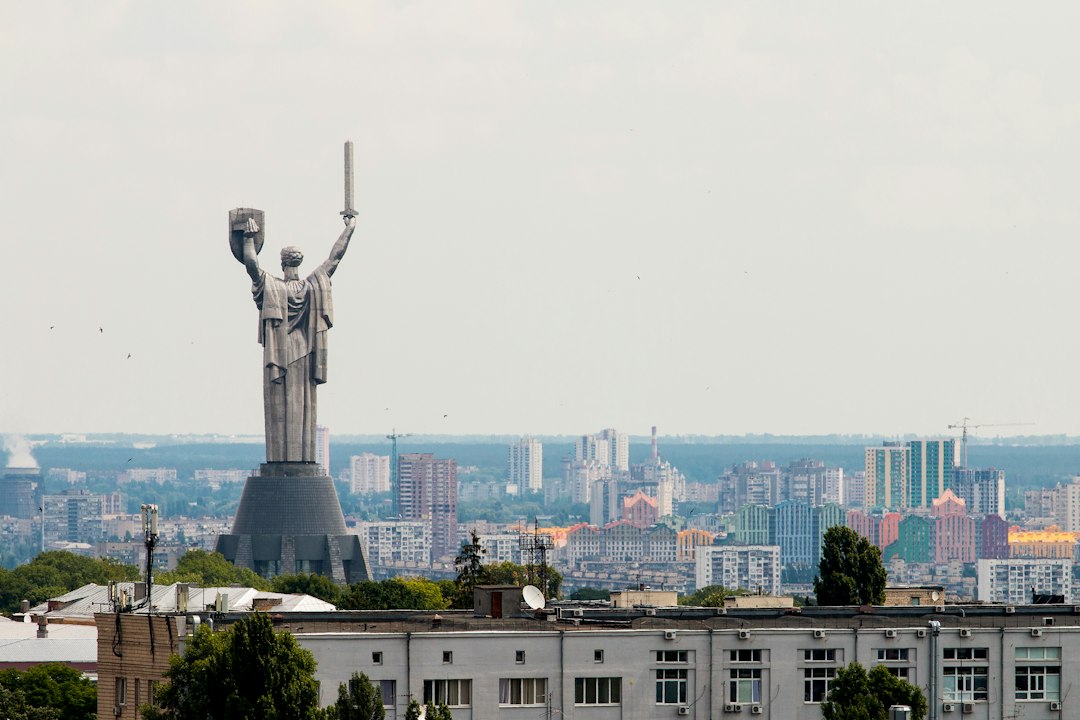

At a 182 meters in height, the Statue of Unity is not seen — it is felt. When approaching by boat or bus along the banks of the Narmada River in Gujarat, the figure of Sardar Vallabhbhai Patel emerges from the horizon with a presence that makes it hard to believe your eyes. It is not the photograph that prepares you for this moment: it is only when you are there, with your neck tilted back and the sun beating down on the bronze surface, that the true scale of this monumental work of art becomes understandable.
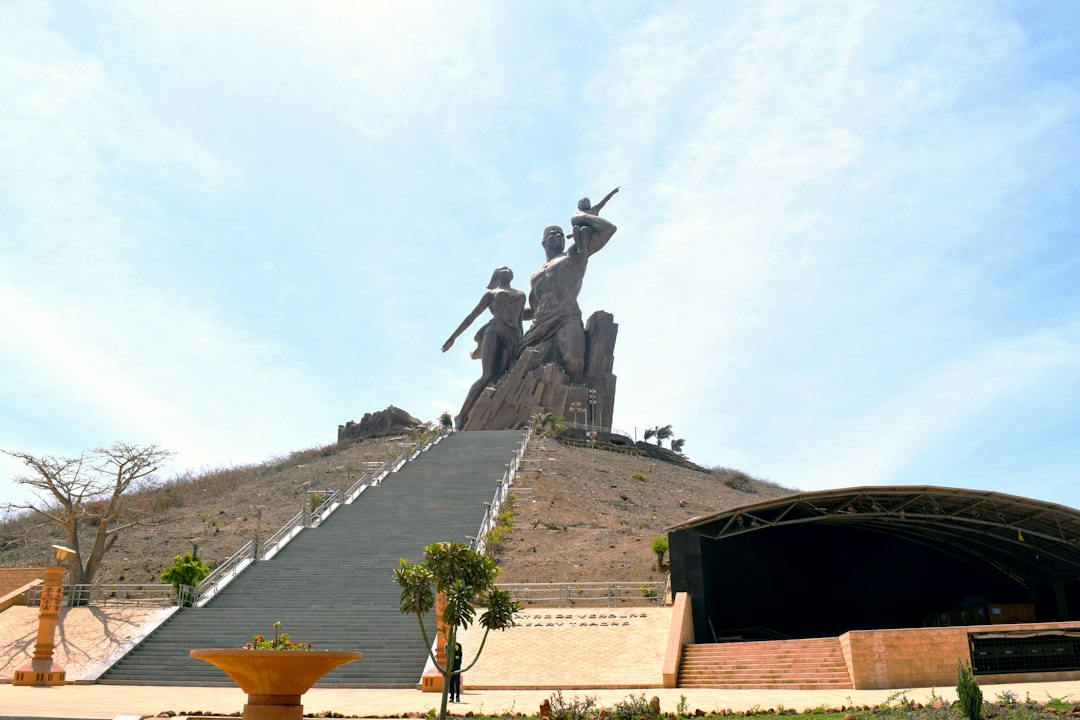
Inaugurated on October 31, 2018, on Patel's birthday, the statue stands in Kevadia, a small town in the state of Gujarat, overlooking the Sardar Sarovar Dam. The project was commissioned by the Indian government and executed by the company Larsen & Toubro, under the artistic supervision of sculptor Ram V. Sutar, who spent years studying photographs and historical documents of Patel to faithfully capture his features. The result is a work that goes beyond political symbolism: it is an engineering and artistic endeavor that took about 5 years of work and the contribution of thousands of workers and craftsmen.
The art that can be touched: bronze, steel, and history
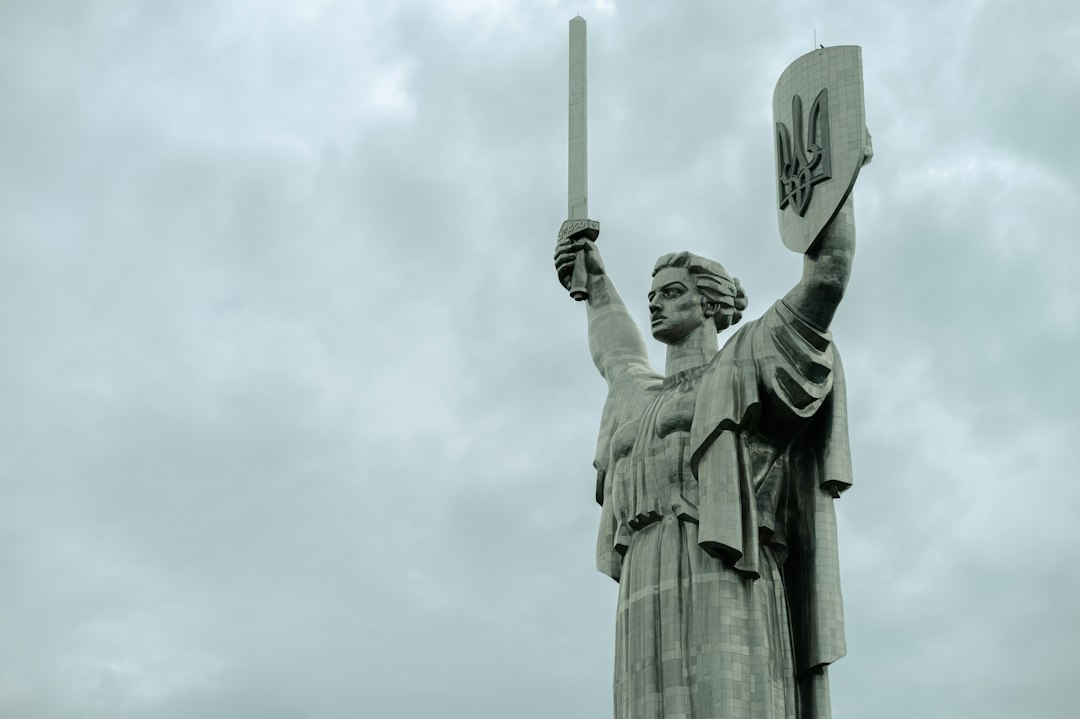
The external structure of the statue is covered with about 1,700 tons of bronze, forged into thousands of panels assembled with millimeter precision. Looking closely at the surface, one can notice the tonal variations of the metal: darker areas where the bronze has oxidized, lighter areas where the coating is more recent. It is not a smooth and uniform surface — it is alive, layered, like a three-dimensional fresco.
Inside the statue, a system of elevators takes visitors up to the viewing gallery located 153 meters high, inside the chest of the figure. From there, through large windows, a 360-degree view opens up over the Sardar Sarovar dam, the Vindhya and Satpura hills, and the waters of the Narmada. On clear days, the landscape stretches for miles in every direction. It is one of those rare observation points where the geographical vastness of India becomes tangible in a single glance.
Who was Sardar Patel and why this statue
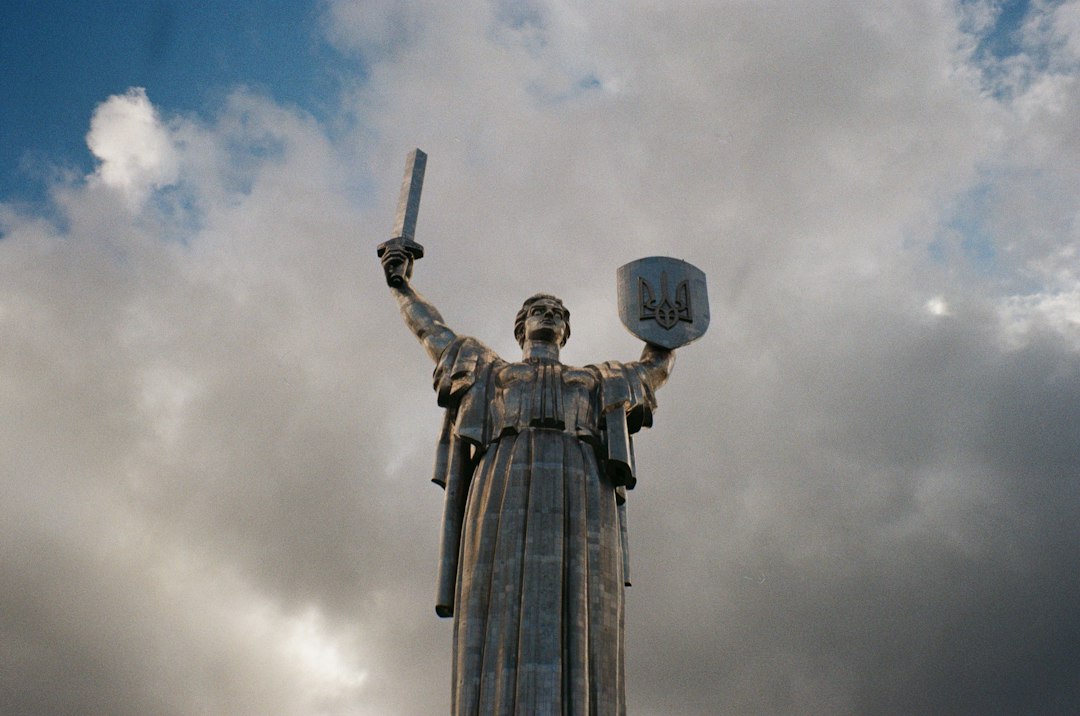
The statue is not just an architectural landmark: it is an act of historical memory. Sardar Vallabhbhai Patel was the first Deputy Prime Minister of independent India and the main architect of the country's unification, integrating over 560 princely states into the Indian Union between 1947 and 1950. Without his diplomatic and political work, the map of modern India would be radically different. The statue depicts him standing, with his gaze directed towards the dam — a detail chosen with symbolic precision, as Patel was among the supporters of the Narmada water project.
On the ground floor of the complex, there is a museum dedicated to his life and the history of Indian independence. The halls display period photographs, original documents, and reconstructions of the environments in which Patel worked. It is not a spectacular museum in terms of setup, but the contents — for those interested in the contemporary history of the subcontinent — are genuinely informative.
How to organize the visit
The complex is open every day except Monday, from 8:00 AM to 6:00 PM. Tickets can be purchased online on the official website or at the ticket counters on site: the basic package for access to the site and the panoramic gallery costs about 350-380 rupees for adults, with reduced rates for children. It is strongly recommended to book in advance during weekends and Indian holiday periods, when the lines can be very long.
To reach Kevadia, the most convenient solution is to depart from Vadodara, the nearest city with good train connections. From there, there are direct buses and private taxis that take about an hour and a half. The Gujarat government has also activated special trains from various cities in Gujarat on weekends. The best time to visit is early in the morning, both to avoid the crowd and to enjoy the natural light that illuminates the bronze of the statue in the early hours of the day. Avoid the monsoon months between July and September: heavy rains can limit visibility from the gallery and make the visit to the outdoor complex uncomfortable.
A work in its natural context
What many photographs fail to convey is the relationship between the statue and the surrounding landscape. The Narmada flows wide and silent at the foot of the hill, the hilly forests stretch towards the horizon, and the air — far from the large Indian cities — has a different quality. The Statue of Unity is not an isolated monument in an urban square: it is a work set in a natural context that amplifies its presence and, paradoxically, highlights its disproportion in relation to the human scale.


