



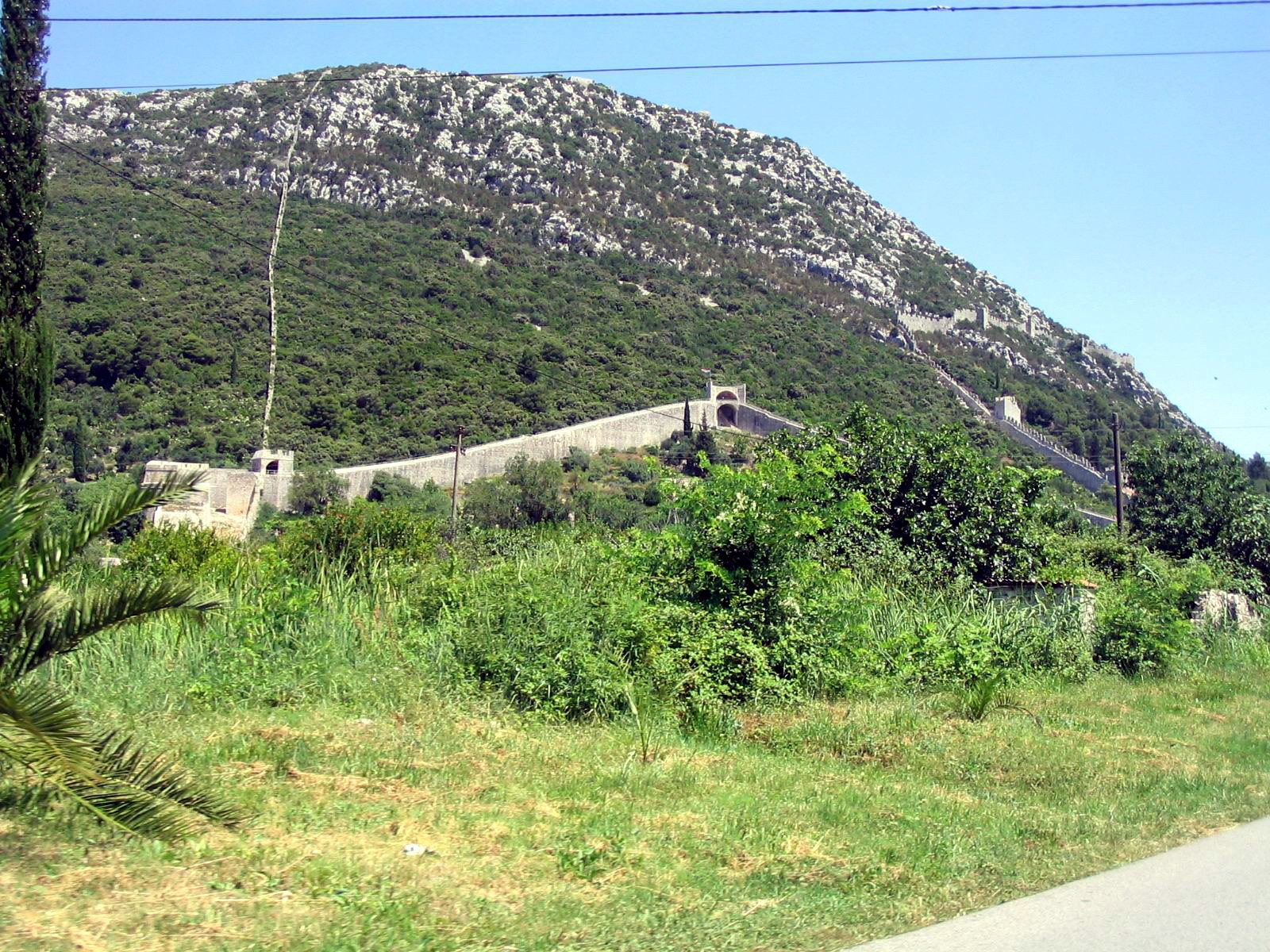
Nestled at the southern tip of Croatia, Ston is a hidden gem that captivates visitors with its rich history and dramatic landscapes. Known for its fortified walls, which are the longest in the world after the Great Wall of China, this ancient town offers a glimpse into medieval life while being surrounded by the stunning scenery of the Pelješac peninsula.
History and Origins
The history of Ston dates back to antiquity, when it was originally founded as an ancient Roman settlement. The strategic location of Ston, situated on the isthmus connecting the Pelješac peninsula to the mainland, made it a vital port for trade and defense. The Ragusini, the citizens of the Republic of Ragusa (today's Dubrovnik), began building the imposing fortified walls in 1333. This monumental undertaking was primarily motivated by the need to protect the lucrative salt pans, which were vital for the economy of the region.

Construction continued for over 170 years, with the walls completed in 1506. The defensive system featured around forty towers and five fortresses, including the formidable Fortress of Bartholomew, which looms majestically over the town. This fortress served as a symbol of power and protection, safeguarding the salt production that sustained the local community. The walls remained functional until the early 19th century, when the downfall of the Republic and subsequent earthquakes led to their decline. However, restoration efforts from 2003 to 2009 have allowed modern visitors to experience this magnificent architectural feat.
Art and Architecture
The architectural style of the fortified walls is a striking blend of Gothic and Renaissance influences, reflecting the various phases of construction. As you wander along the 5.5 kilometers of the walls, you'll encounter a series of towers and fortifications that tell the story of Ston's defensive prowess.
One of the most notable structures is the Fortress of Bartholomew, where the walls ascend steeply, providing breathtaking views of the surrounding landscape and the Adriatic Sea. The town's medieval buildings, such as the Church of St. Nicholas, further add to its charm, showcasing the artistic significance of the period. The intricate details of the stonework and the harmonious integration with the natural environment reflect the craftsmanship and dedication of the builders.
Local Culture and Traditions
Ston is not just a historical site; it is a living community that celebrates its rich cultural heritage. The town's traditions are deeply rooted in its salt production, which dates back to Roman times. The salt pans are still operational today, and visitors can witness the ancient techniques of salt harvesting during the summer months.
The town hosts various festivals throughout the year, such as the Ston Oyster Festival, celebrating the local shellfish farming industry. This event, held every April, attracts food lovers and tourists eager to taste the renowned Ston oysters, considered some of the best in the world. These celebrations not only highlight the culinary traditions but also foster a sense of community among residents.
Gastronomy
When visiting Ston, indulging in local cuisine is a must. The town is famous for its oysters and mussels, which are harvested from the pristine waters nearby. The Ston oysters, in particular, are celebrated for their unique flavor, attributed to the area's mineral-rich waters.
Accompanying the seafood, visitors can savor local wines, particularly those from the Pelješac peninsula, known for its high-quality red wines, such as Dingač and Postup. Pairing these with freshly prepared seafood creates a culinary experience that embodies the essence of the region.
For a true taste of Ston, don’t miss trying the local specialty known as “stonska sol” or Ston salt, often used in traditional dishes to enhance flavors.
Lesser-known Curiosities
While Ston is renowned for its walls and oysters, there are lesser-known facts that make it even more intriguing. For instance, many visitors are unaware that the town was once a critical trading hub for salt, which was considered so valuable that it was often referred to as "white gold."
Additionally, a unique aspect of Ston's salt pans is their ecological importance. They provide a habitat for various bird species, making them a perfect spot for birdwatching enthusiasts. The pans are also a prime example of sustainable farming practices that have been preserved through generations.
Practical Visitor Information
The best time to visit Ston is during the spring and early autumn months, when the weather is mild, and the town is less crowded. A leisurely stroll along the fortified walls offers stunning views and an opportunity to appreciate the surrounding natural beauty.
When planning your visit, consider wearing comfortable shoes, as the walls can be steep and uneven in places. Don’t forget to bring a camera to capture the breathtaking panoramas.
For those interested in exploring the local culture, taking part in a salt-harvesting workshop or attending a food festival can provide an enriching experience.
Ston is a place where history, culture, and gastronomy intertwine, offering an unforgettable journey into the heart of Croatia.
To plan your personalized itinerary for Ston, consider using the Secret World app for tailored recommendations.
