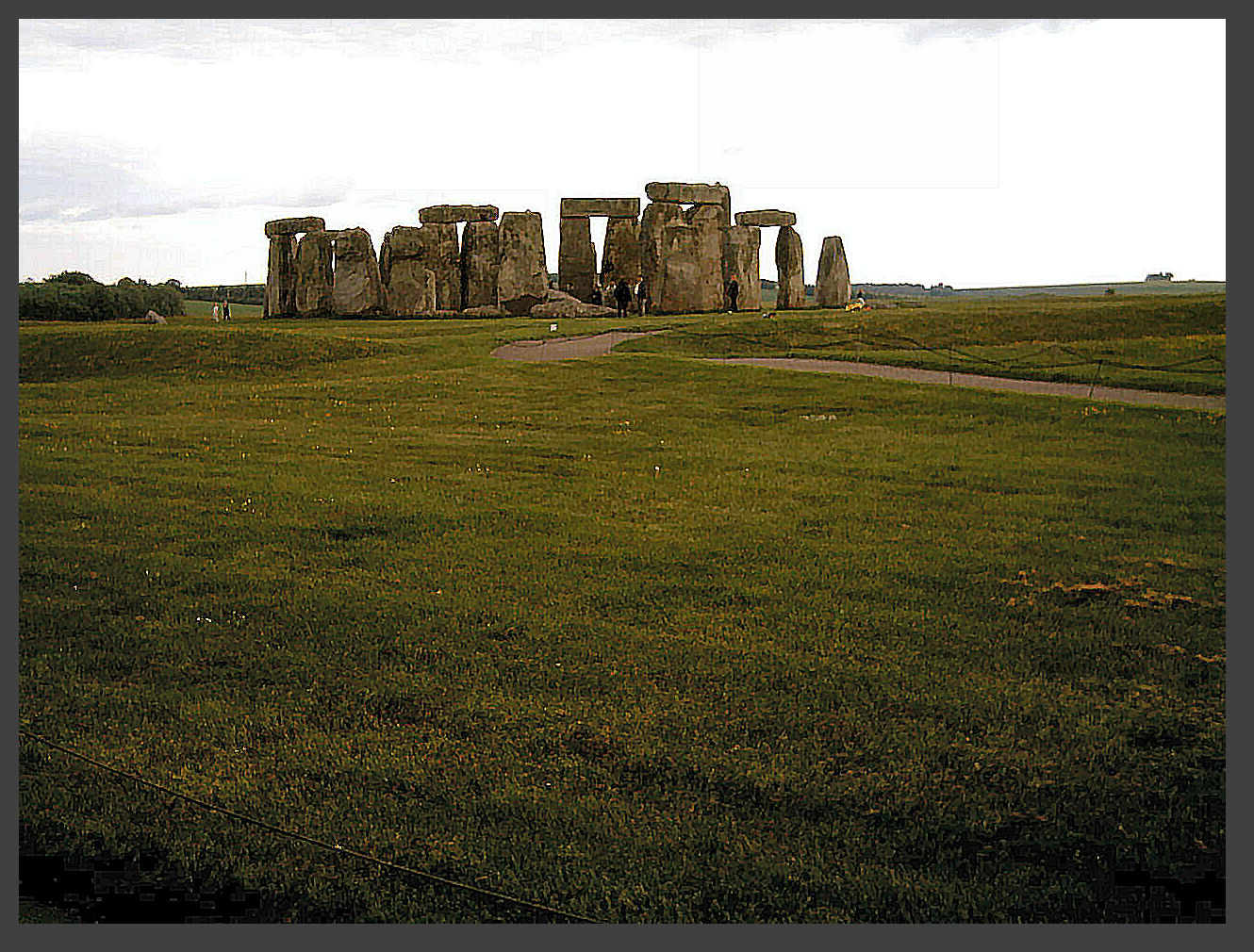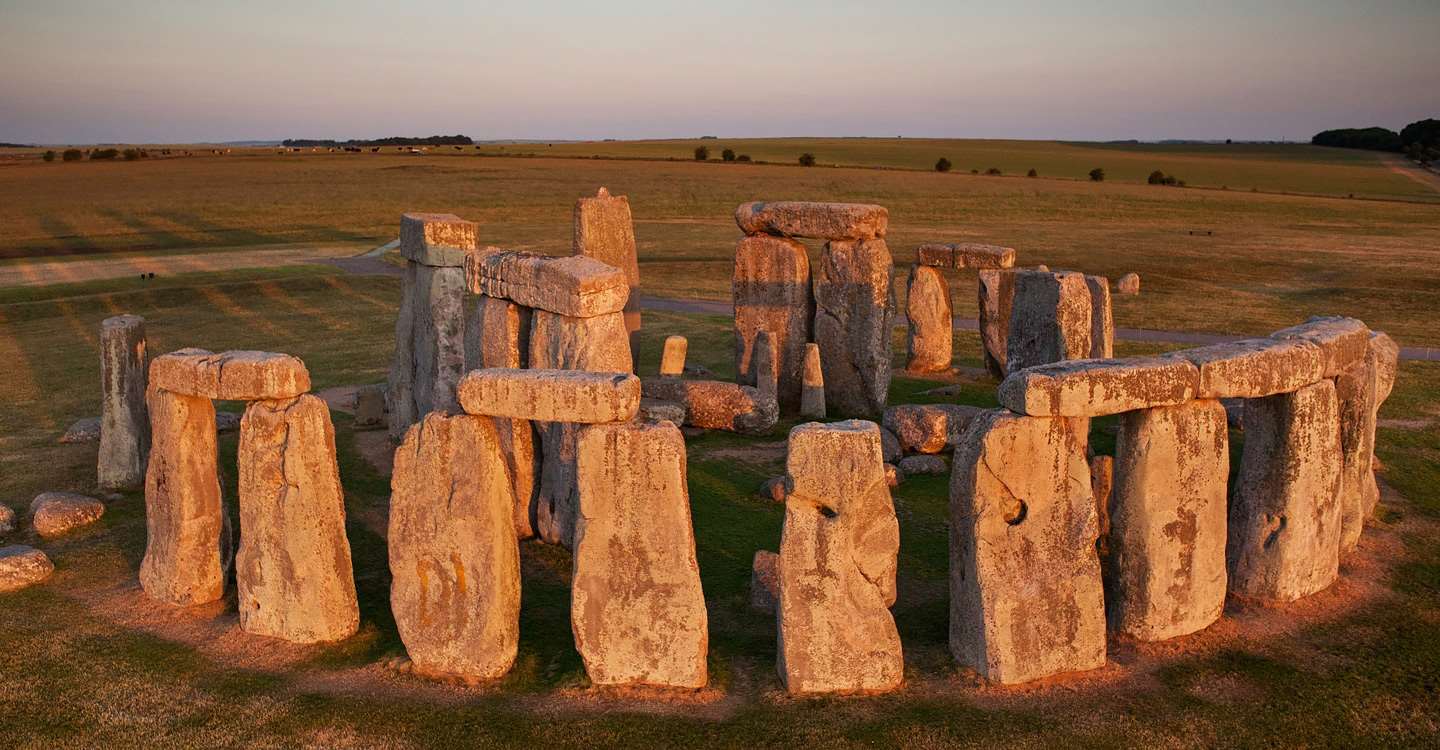

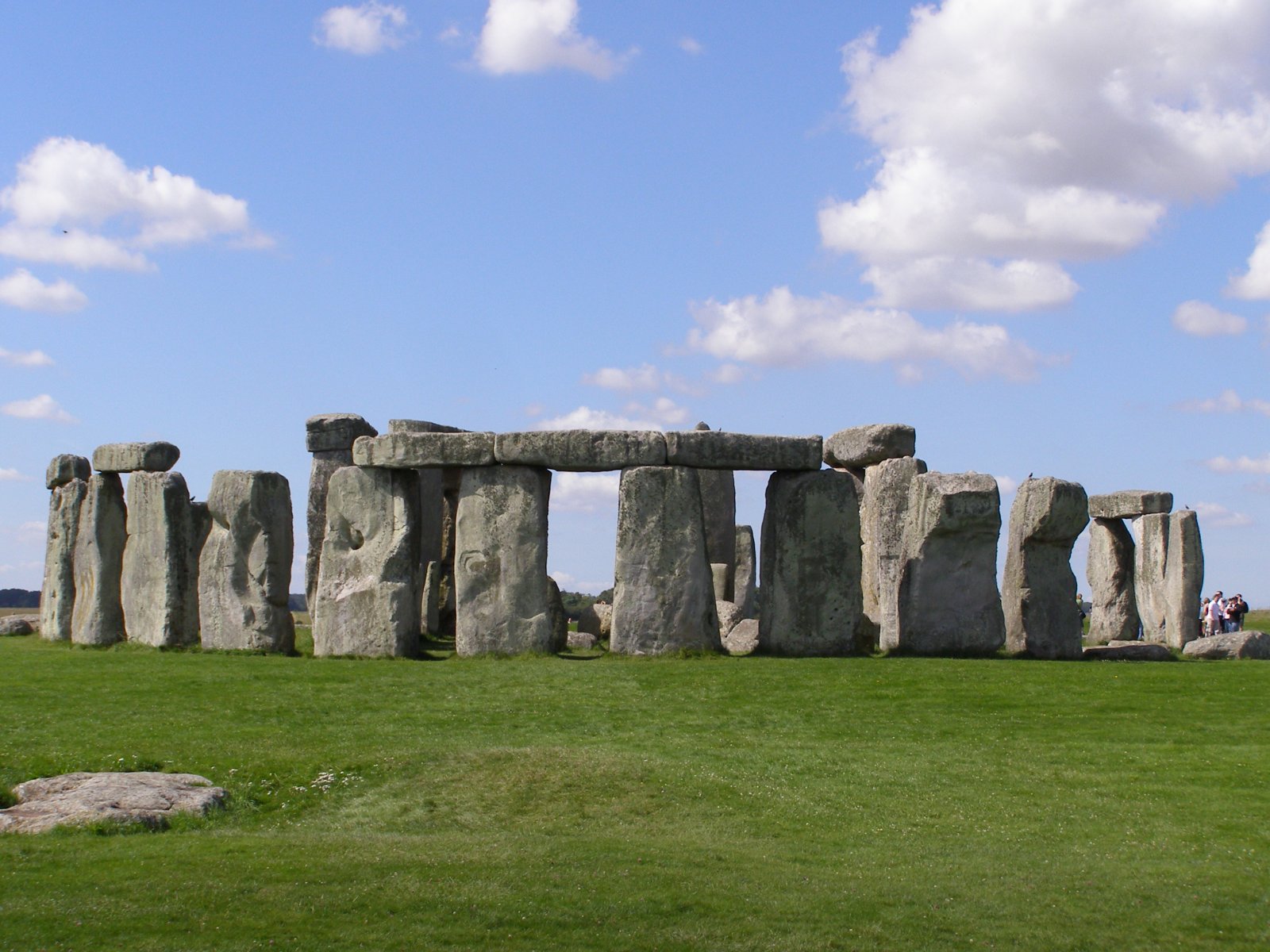
Stonehenge is an enigma wrapped in ancient history, a prehistoric monument that has captivated the imaginations of travelers and scholars for centuries. Nestled on the rolling plains of Wiltshire, England, this iconic site stands as a testament to the ingenuity and spiritual beliefs of our distant ancestors. With its massive stone circle, believed to have been constructed around 2500 BC, Stonehenge invites visitors to ponder its purpose and the mysteries of its creators.
### History and Origins
The origins of Stonehenge trace back to the Neolithic period, around 3000 BC, when the first earthworks were established. This early henge was a circular enclosure, which later evolved into the stone monument we recognize today. The construction of the stone circle itself took place in several phases, with sarsen stones—the larger stones—arriving from the nearby Marlborough Downs and the bluestones—smaller stones—transported from the Preseli Hills in Wales, over 200 miles away.
Throughout the centuries, Stonehenge has been a focal point for various cultures. By the Bronze Age, around 2000 BC, the area surrounding Stonehenge was dotted with burial mounds, indicating its importance as a ceremonial site. The alignment of the stones with the summer solstice sunrise and winter solstice sunset suggests that it served as an astronomical observatory or a temple for sun worship, further deepening its significance in ancient belief systems.
### Art and Architecture
The architectural style of Stonehenge is both awe-inspiring and perplexing. Comprised of hewn sarsen stones and bluestones, the circle measures approximately 97 meters in diameter. The stones are arranged in a remarkable layout, with the iconic trilithons—two vertical stones topped by a horizontal lintel—creating an imposing yet harmonious silhouette against the skyline.
The artistry of Stonehenge is not just in its monumental scale but also in its engineering precision. Each stone is meticulously shaped, and their placement exhibits an intricate understanding of geometry and alignment. While many visitors focus on the stones themselves, the surrounding earthworks, including the ditch and bank, are equally significant, reflecting the deliberate planning of this sacred landscape.
### Local Culture and Traditions
Today, Stonehenge is an integral part of local culture and traditions. Each year, thousands gather at the site to celebrate the summer solstice, a tradition that dates back to ancient times. This event sees druids, pagans, and curious onlookers unite to witness the sun rising over the stones, a moment imbued with spiritual significance.
Moreover, the nearby village of Amesbury adds a rich cultural layer to the experience. Known as the oldest continuously inhabited settlement in England, Amesbury is steeped in history, with many local customs intertwined with the legacy of Stonehenge. The Amesbury Carnival, held annually in July, showcases local talent and traditions, offering a delightful glimpse into the life of this charming community.
### Gastronomy
Exploring the culinary landscape around Stonehenge reveals delightful local flavors. Traditional Wiltshire ham, renowned for its rich taste and unique curing process, is a must-try. Visitors can also savor Cider, a beverage deeply rooted in the region's agricultural heritage, often enjoyed during local festivals.
For those with a sweet tooth, Salisbury Plain cheese offers a creamy delight that pairs beautifully with the local breads. A visit to Amesbury isn’t complete without indulging in a slice of apple pie, made with locally sourced fruits, providing a true taste of the surrounding countryside.
### Lesser-Known Curiosities
While many flock to Stonehenge for its grandeur, there are lesser-known curiosities that enrich the experience. For instance, the Stonehenge Riverside Project, an archaeological initiative, has uncovered evidence of a complex ritual landscape surrounding the stones, including burial sites and additional monuments that hint at the cultural significance of the area.
Moreover, the Heel Stone, a large stone located just outside the main circle, plays a crucial role in solstice celebrations, marking the spot where the sun rises on the longest day of the year. Some visitors may overlook this stone, but it’s integral to understanding the alignment and purpose of the monument.
### Practical Visitor Information
The best time to visit Stonehenge is during the early morning or late afternoon, when the light casts a soft glow over the stones, creating an ethereal atmosphere. The Visitor Centre offers interactive exhibits that delve deeper into the history and significance of the site, making it a valuable stop before heading to the stones themselves.
When planning your visit, consider booking your tickets in advance, especially around solstice events, as they tend to sell out quickly. Be sure to wear comfortable shoes, as the terrain can be uneven, and prepare for variable weather, as the open fields can be windy and chilly.
Exploring Stonehenge is not merely a visit; it’s a journey back in time, an opportunity to connect with the ancient past and the mysteries that continue to surround this monumental wonder. For a personalized experience, consider using the Secret World app to plan your itinerary tailored to your interests and preferences.