
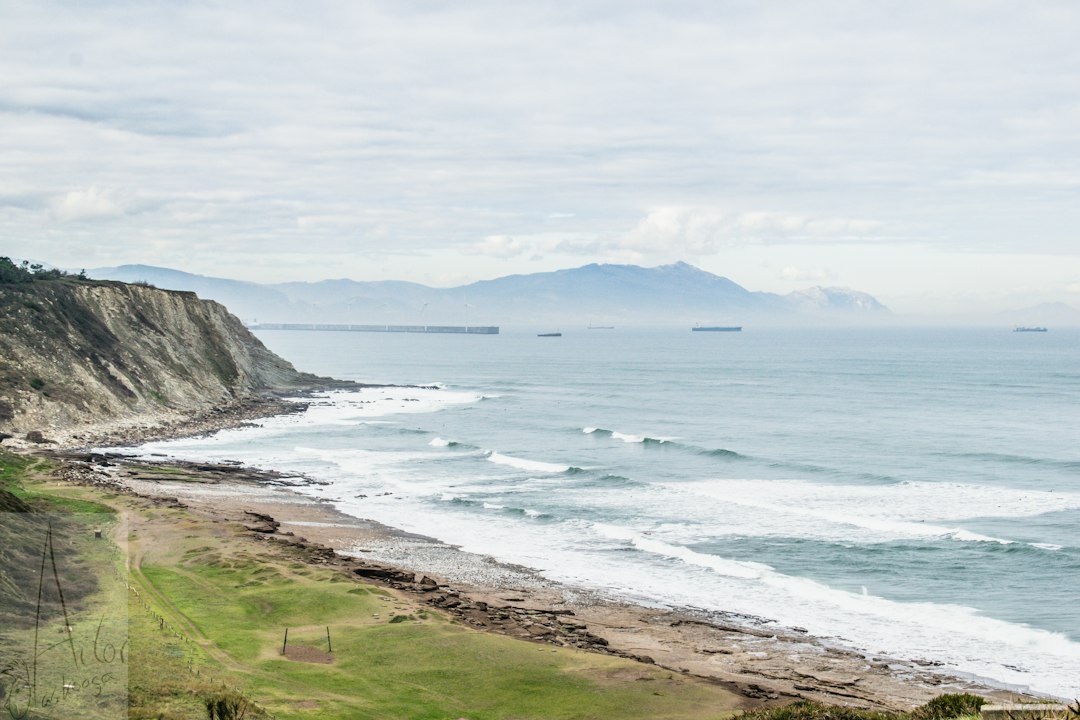

From the stone bastion of Fuerte La Punta, the Caribbean Sea opens up in all its breadth before the eyes of the visitor. This Spanish colonial fort, built in the 18th century to defend the bay of Baracoa, is located on a low promontory at the mouth of the Miel River, and today it houses a small restaurant that allows you to literally sit on the walls while looking at the horizon.
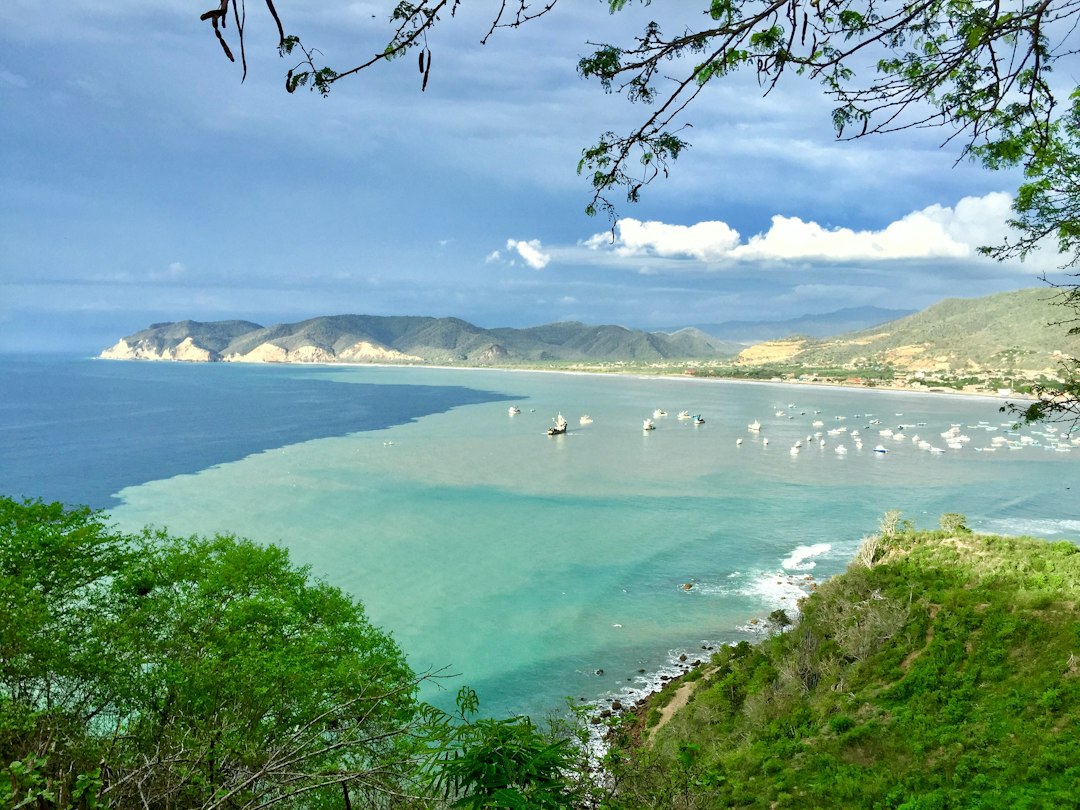
Baracoa is the oldest city in Cuba, founded by Diego Velázquez de Cuéllar in 1511, and Fuerte La Punta is one of the three forts that once protected its port. The other two, Fuerte Matachín and Fuerte de la Seboruco, are distributed around the bay in such a way as to cover every corner of access from the sea. Visiting La Punta means therefore entering a colonial defensive system still readable in the landscape, where the distances between the bastions can be measured on foot within a morning.
What can be seen from the fort: the bay and El Yunque
The view from Fuerte La Punta combines elements that are difficult to replicate elsewhere. To the north, the Caribbean Sea changes color depending on the time: emerald green in the early morning hours, when the light is low and slanting, intense cobalt blue in the central hours, and almost purple in the minutes before sunset. The waves crash directly against the cliff below the walls, and the sound is constant.
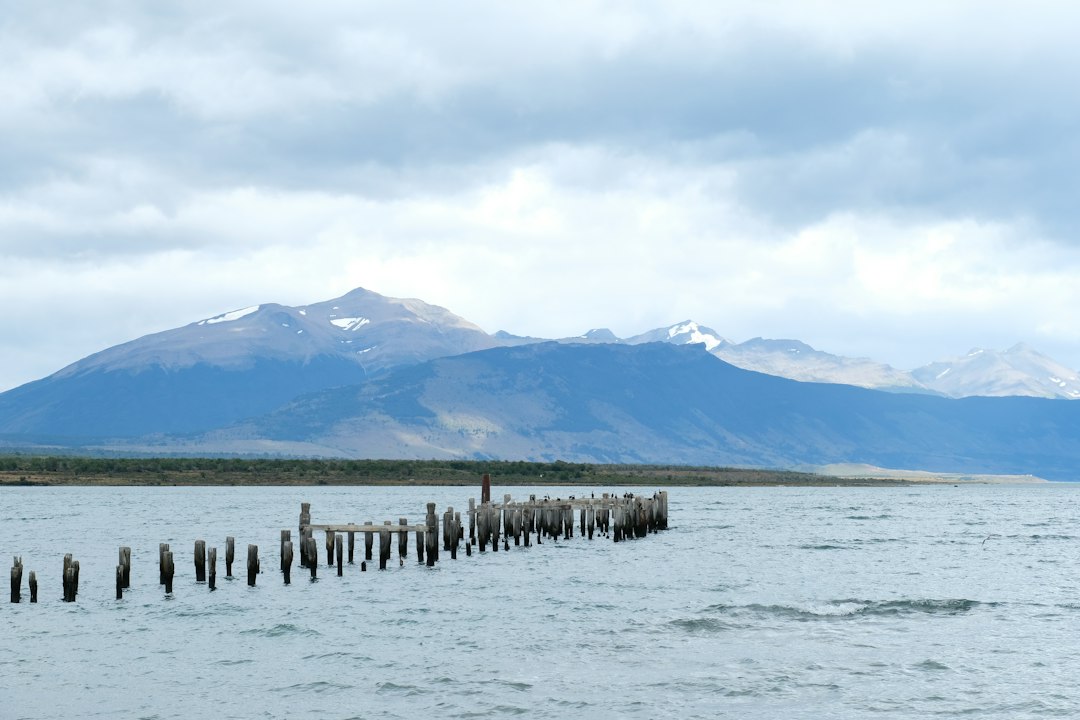
Turning inward, the gaze falls on the unmistakable silhouette of El Yunque, the anvil-shaped mountain that dominates the landscape of Baracoa and rises to about 575 meters above sea level. Its tabular, almost geometric shape is recognizable from any point in the city, but from the fort, the perspective is particularly clear because no tall buildings stand between the observer and the mountain.
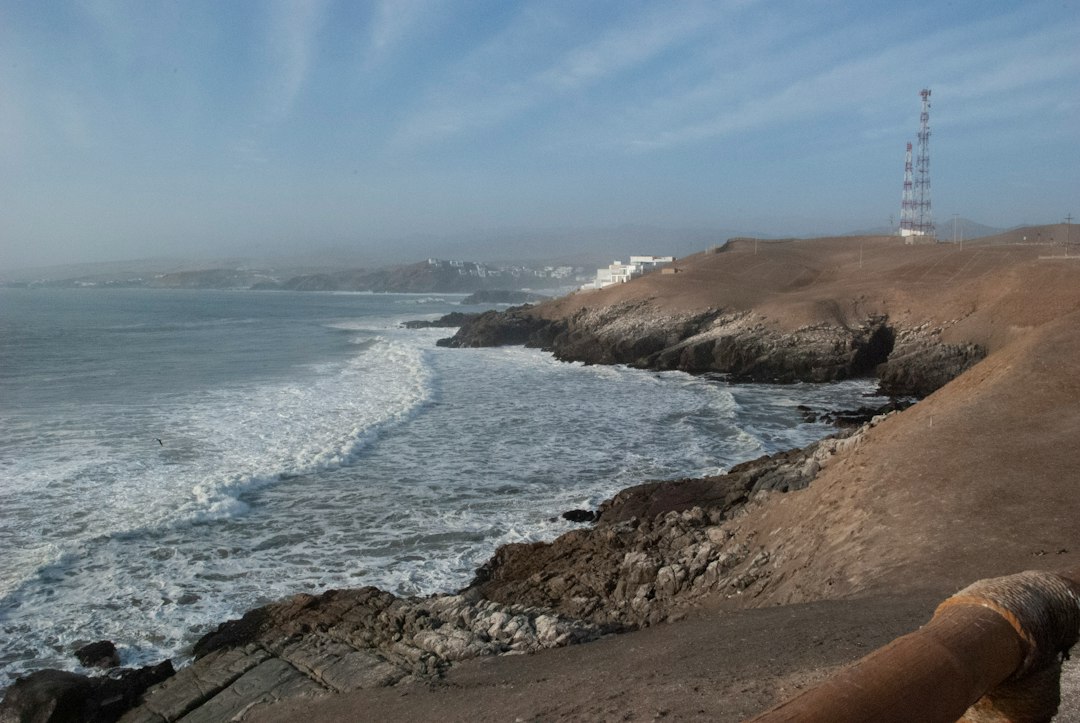
The colors of the sky at different hours
Those who arrive at Fuerte La Punta in the early morning hours, around seven, find a still soft light that colors the old stones with a warm ochre. The sea at that hour is almost flat and reflects the sky clearly. It is the best time to photograph the fort itself, with its low thick walls casting long shadows on the stone floor.
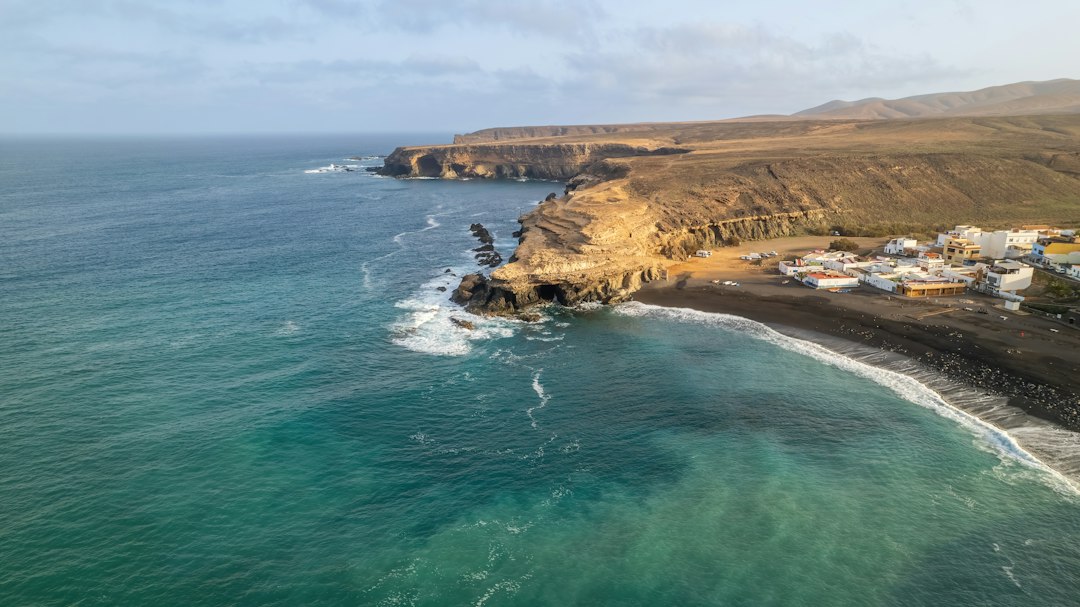
In the late afternoon, however, the sun sets on the opposite side from the open sea, tinting the clouds that often gather above El Yunque with orange and red. The Cuban fishermen working along the shore become dark silhouettes against this light, and the atmosphere changes completely compared to the morning. The most useful practical advice is to visit the fort twice in the same day if time allows: once in the morning for the light on the sea, and once around five o'clock for the sunset colors on the mountain.
Architectural details to observe on site
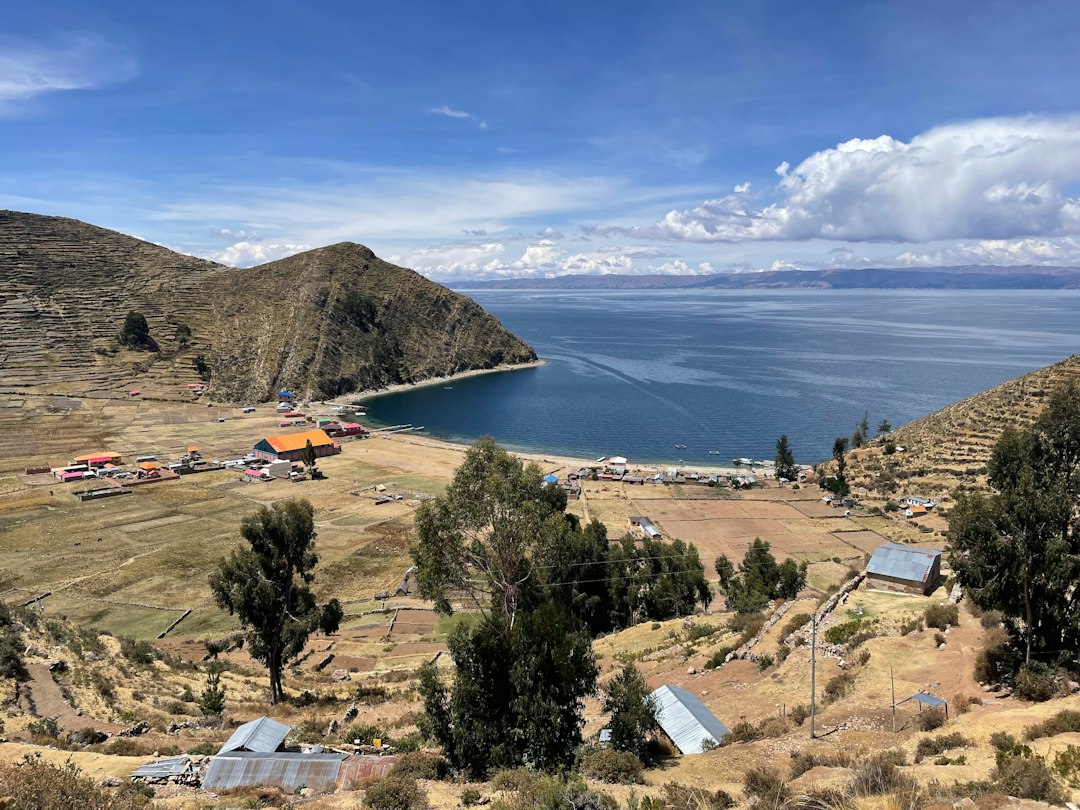
The walls of Fuerte La Punta are built with a dark local stone, of coral origin, which stands out sharply from the red brick used in other Cuban forts such as those in Havana. This stone absorbs the moisture from the sea and in the rainiest months, it becomes covered with green moss on all the surfaces exposed to the north. The contrast between the black of the stone, the green of the moss, and the blue of the sea is one of the most characteristic visual elements of the place.
Inside the fort, the space is limited: it is not a large military structure, but a compact bastion with the function of watching and controlling the port. The restaurant that occupies part of the space mainly serves fresh fish and traditional Cuban dishes. Consuming something while sitting on the walls allows one to stay in the place for an hour or more without seeming out of place, which is a concrete advantage for those who want to observe the landscape calmly.
How to get there and practical information
Fuerte La Punta is located at the western end of the Malecón in Baracoa, the seaside promenade that runs through the entire city. From the central square, Parque Independencia, it can be reached on foot in less than ten minutes by walking west along the sea. No transportation is necessary, and the walk along the Malecón is pleasant in itself, with a continuous view of the bay.
Entry to the fort is generally free or requires a minimal contribution if accessing the restaurant area. The visiting times are short: half an hour is enough to walk around the entire perimeter and enjoy the view from every corner. Those who want to stop for a meal or just to have a drink can comfortably stay for up to ninety minutes. The fort is open during daylight hours, but it is advisable to check the hours locally because in Baracoa, as in many Cuban cities, actual hours may vary from those indicated.


