



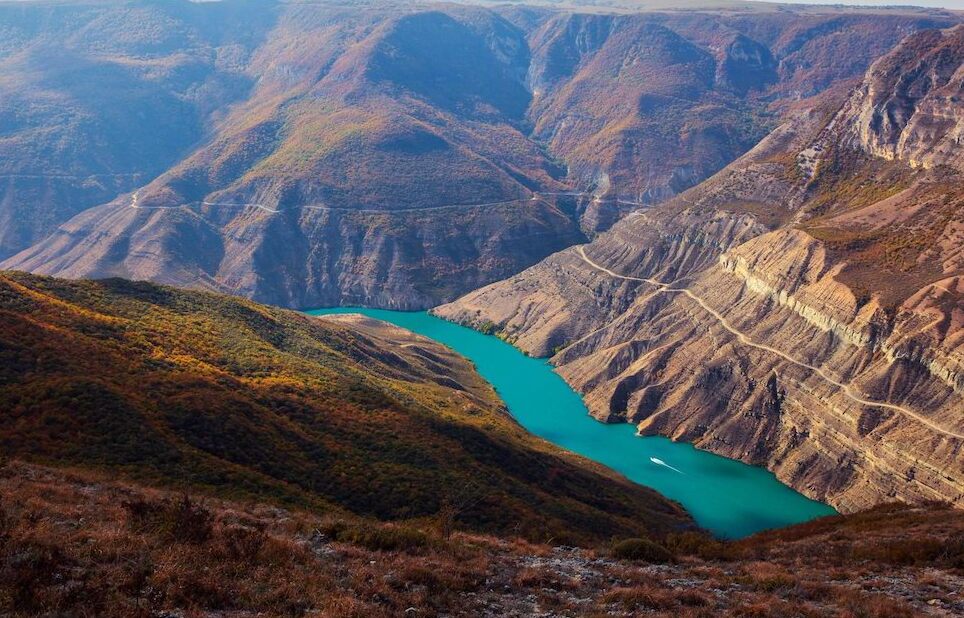
Sulak Canyon, a stunning natural wonder located in the Republic of Dagestan, is the deepest canyon in Europe, reaching depths of 1,920 meters. Spanning 53 kilometers, this breathtaking geological formation is not just a feast for the eyes but also a site steeped in ancient history and rich cultural significance.
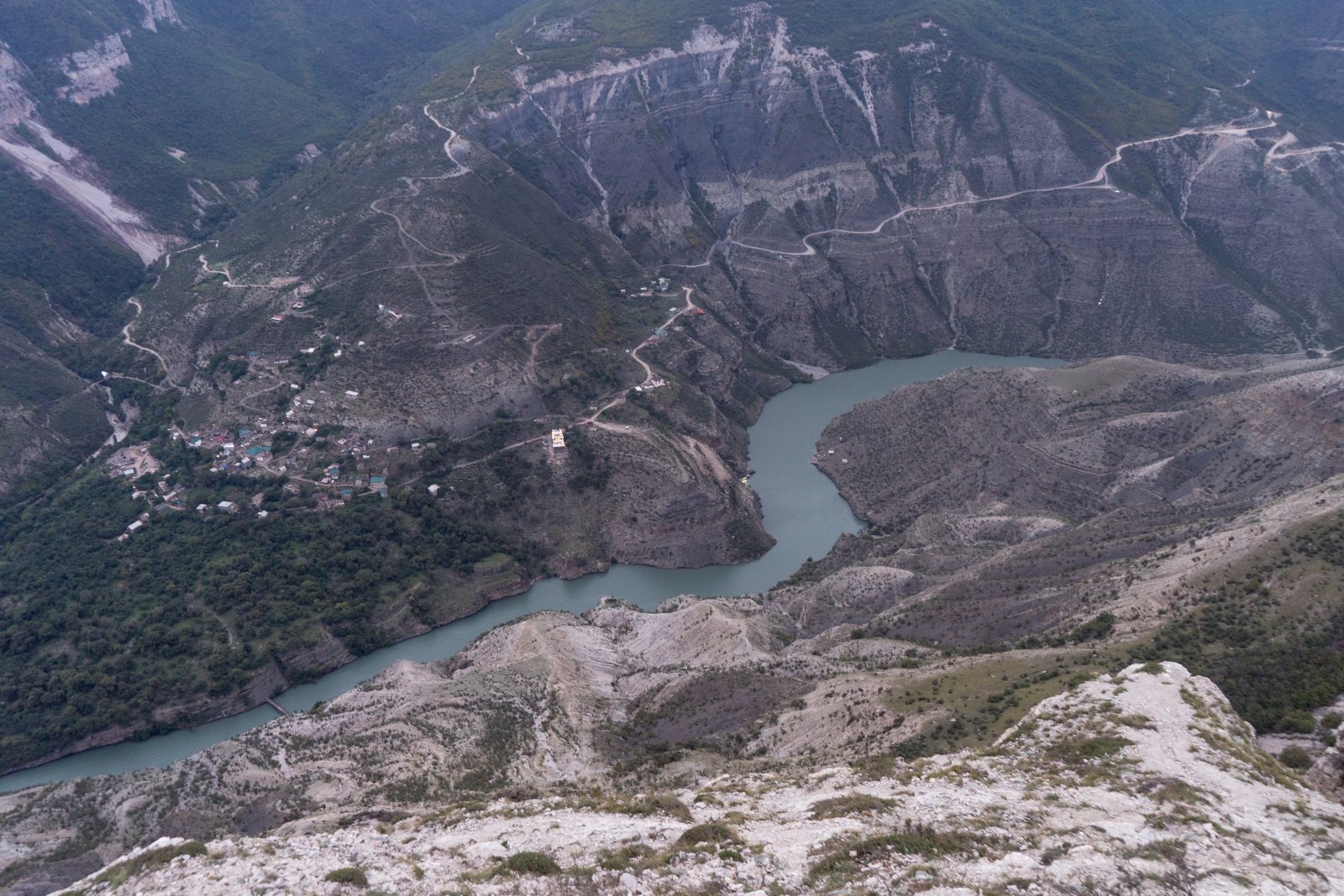
History and Origins The Sulak Canyon traces its origins back millions of years, carved by the relentless flow of the Sulak River, which has shaped its dramatic cliffs and steep walls. As one of the most significant geographical features of Dagestan, the canyon has long been a source of inspiration for local legends and tales. In ancient times, this area was inhabited by various peoples, including the Avars, whose history dates back to the early Middle Ages. They left an indelible mark on the region, influencing its culture, architecture, and customs. Throughout history, the canyon has witnessed the rise and fall of empires, making it a silent witness to the passage of time.
Art and Architecture While the canyon itself is a natural masterpiece, the surrounding region boasts remarkable Dagestani architecture. The nearby villages feature stone houses with intricate carvings, a testament to the craftsmanship of local artisans. Notably, the Gunib fortress, perched on a cliff, offers panoramic views of the canyon and reflects the strategic importance of this area throughout history. The artistic significance of the canyon extends to local folklore, where it is often depicted in paintings and poetry, celebrating its ethereal beauty and the spirit of the local people.
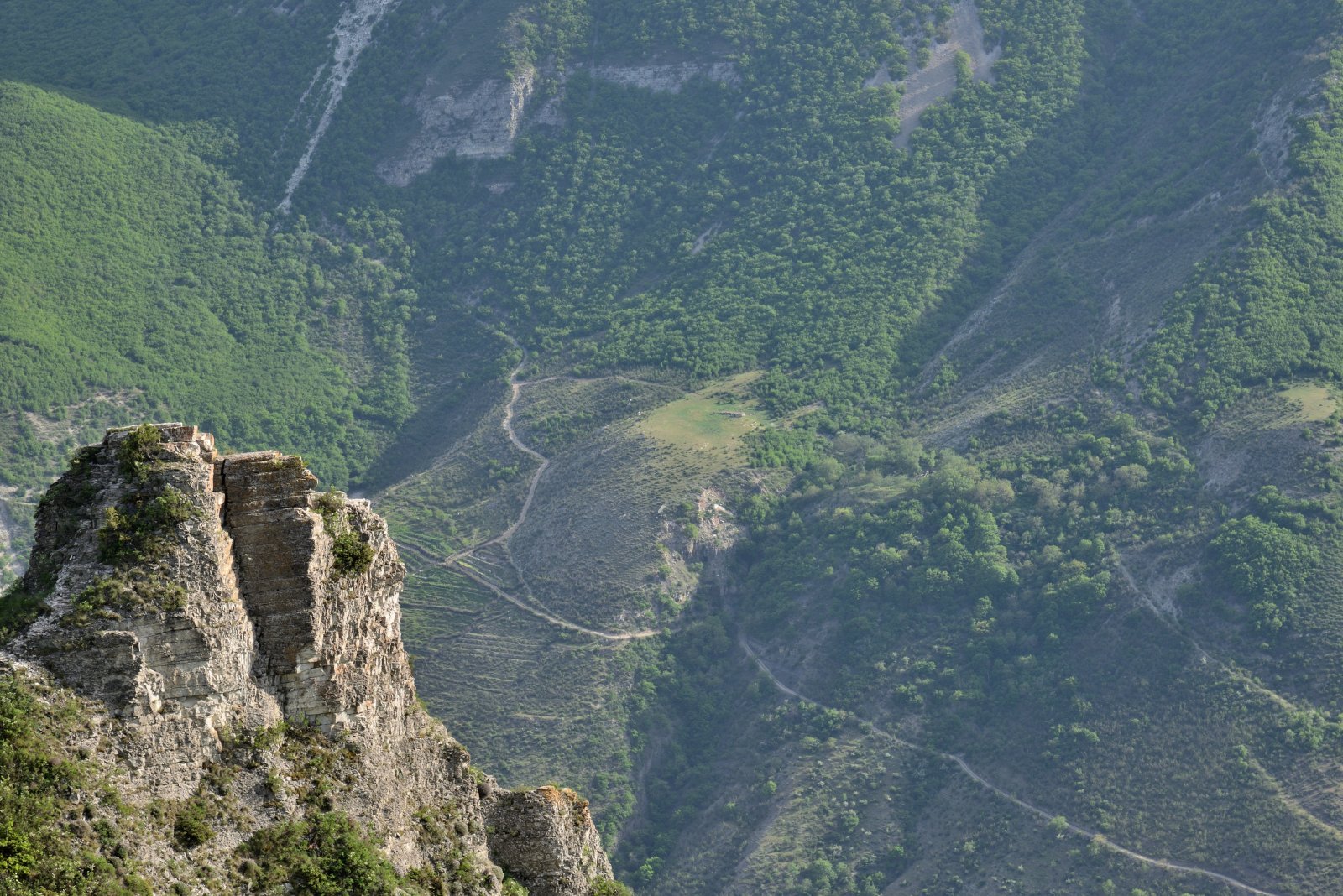
Local Culture and Traditions The culture of this region is vibrant and steeped in tradition. Local customs are deeply intertwined with the natural landscape, with many festivals celebrating the changing seasons and agricultural cycles. One such event is the Day of the Mountain, where locals honor their ancestors and the natural beauty surrounding them with music, dance, and traditional foods. The Avar people, known for their hospitality, often welcome visitors with Chudu (a type of savory pastry) and sweet Bakhlava, showcasing their culinary heritage.
Gastronomy The culinary scene in Dagestan is rich and varied, influenced by both the mountainous terrain and the diverse ethnic groups that inhabit the region. One cannot visit Sulak Canyon without trying Khingal, a traditional dish made of dough and meat, often accompanied by a fragrant broth. For those with a sweet tooth, Tukhum (a type of sweet pastry) is a must-try, typically enjoyed with Chai (tea). The local cuisine is characterized by its use of fresh, locally-sourced ingredients, offering a true taste of Dagestani culture.
Lesser-known Curiosities While many tourists flock to Sulak Canyon for its breathtaking views, few are aware of its ecological significance. The canyon is home to a diverse range of flora and fauna, including rare species that thrive in its unique microclimate. Additionally, the river that runs through the canyon is known for its crystal-clear waters, which are said to have healing properties. Local legends speak of a mystical creature that resides in the depths of the canyon, adding an air of mystery to this stunning landscape.
Practical Visitor Information The best time to visit Sulak Canyon is during the spring and early autumn months when the weather is mild and the landscapes are lush with greenery. Be prepared for a bit of adventure; the rocky terrain requires sturdy footwear, and visitors should exercise caution near the cliffs. For photography enthusiasts, the sunrise and sunset provide magical lighting conditions, transforming the canyon into a palette of vibrant colors.
Whether you are seeking thrilling outdoor activities or a peaceful retreat into nature, Sulak Canyon offers an unforgettable experience. Just remember to take your time and soak in the stunning vistas that nature has crafted over millennia.
For a personalized itinerary that captures the essence of this breathtaking location, consider using the Secret World app to plan your visit.
