
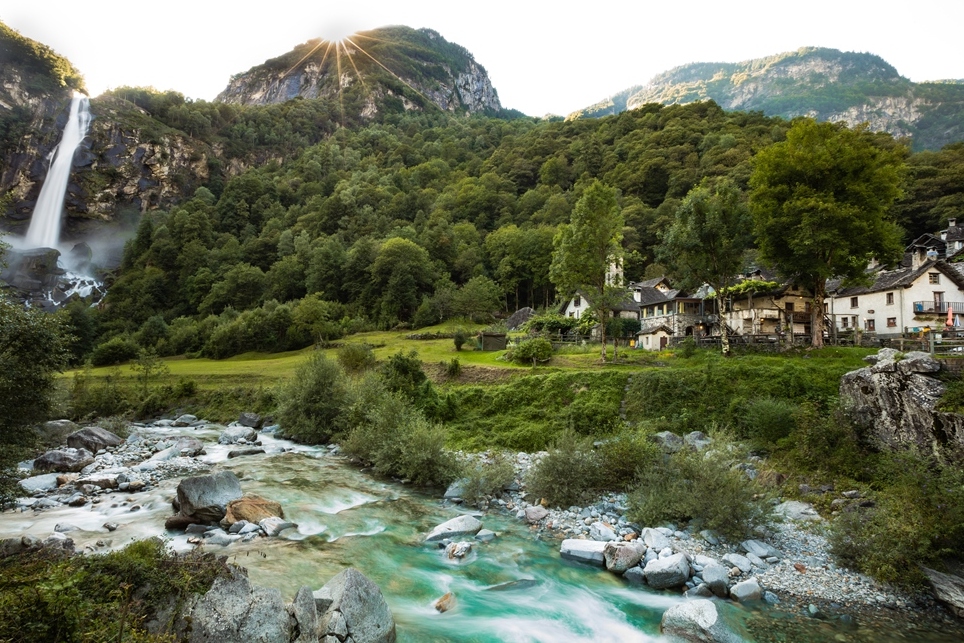

Tucked away in the lush landscapes of Ticino, the Foroglio Waterfall offers a mesmerizing escape into nature’s raw beauty, yet remains one of Switzerland’s best-kept secrets. Nestled near the tiny village of Foroglio in Cevio, this waterfall isn't just a sight for the eyes but a journey through time, art, and culture.
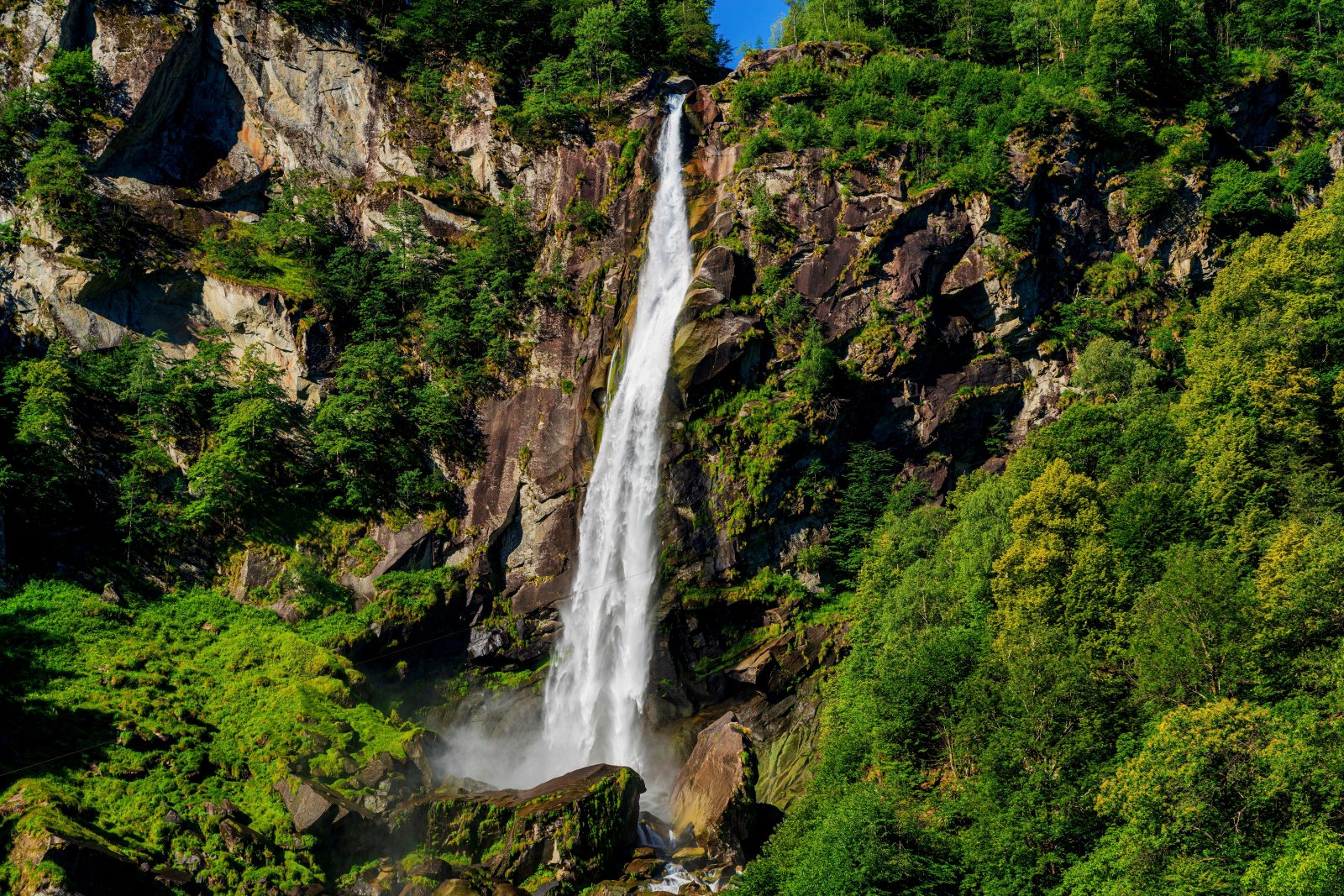
The origins of Foroglio Waterfall trace back to an era when two majestic glaciers collided, sculpting the crevice through which the falls now cascade. This dramatic geological event, occurring thousands of years ago, shaped the very landscape of Valle Bavona. Over time, the region's rugged terrain was further molded by the relentless forces of ice and water, leaving behind an awe-inspiring natural monument. While the waterfall itself has seen countless centuries, the surrounding area speaks of a human history interwoven with the rhythms of nature. The small stone houses, known as rustici, stand as testaments to the traditional Alpine architecture that has endured through the ages.
The architectural style in Foroglio and the wider Valle Bavona is distinctly rustic and profoundly tied to the landscape. The rustici are built from local stone and wood, blending seamlessly into the natural environment. These structures, many of which date back to the 15th century, serve as a reminder of the resourcefulness and resilience of the valley’s early settlers. Walking through Foroglio, visitors can admire the simplicity and functionality of these buildings, which have withstood the test of time and weather.
In terms of local culture, the area is steeped in tradition, with the waterfall playing a role in the spiritual and daily lives of the residents. Each year in May, the nearby village of Cevio hosts the Sagra del Paese, a vibrant local festival that celebrates the region’s heritage. This event brings together the community in a joyful display of music, dance, and traditional costumes, offering visitors a glimpse into the heart of Ticino’s cultural identity. The festival also highlights the local dialect, a melodious blend of Italian and Swiss influences, reflecting the unique cultural tapestry of the area.
Gastronomy in this part of Switzerland is a delightful exploration of robust flavors and Alpine ingredients. When visiting Foroglio, indulging in local specialties is a must. The Polenta con Formaggio, a creamy cornmeal dish paired with rich, local cheese, is a staple. Another notable dish is Luganighe, a traditional sausage seasoned with a blend of herbs and spices. These meals are best enjoyed with a glass of Merlot del Ticino, a wine that perfectly complements the regional cuisine’s hearty flavors.
Yet, there are lesser-known curiosities that make Foroglio and its waterfall truly fascinating. One such tale is about the "ghost village" of Sabbione, located nearby. Abandoned in the mid-20th century, this village was once a thriving community, now left to the elements. The hike to Sabbione offers both a scenic adventure and a poignant reflection on the passage of time and the shifting fortunes of mountain communities.
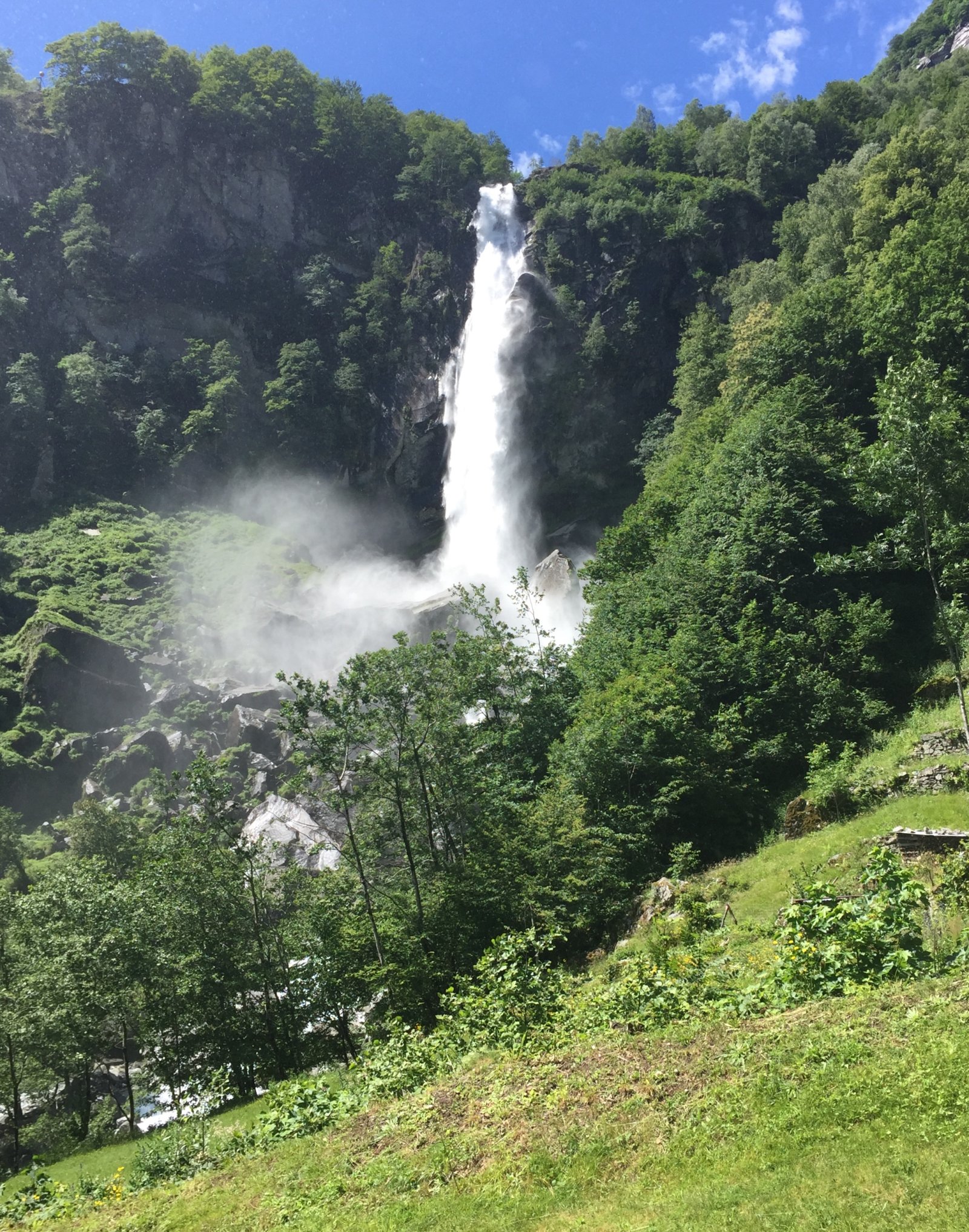
For those planning to visit, the best time to experience the Foroglio Waterfall is during late spring or early summer. This is when the melting snow ensures a dramatic flow, enhancing the waterfall’s grandeur. Visitors should wear sturdy footwear, as the paths can be slippery. A short hike from Foroglio village leads to a stunning viewpoint, where one can feel the mist on their face and hear the thunderous roar of water. It’s a sensory experience that is both exhilarating and humbling.
In conclusion, a visit to the Foroglio Waterfall is not just about witnessing a natural wonder; it's about immersing oneself in a landscape rich with history, culture, and a touch of mystery. From its ancient geological origins to the enduring traditions of its people, Foroglio offers an authentic taste of Ticino’s untamed beauty. Whether you’re a history buff, an architecture enthusiast, or simply a lover of nature, this hidden gem promises an unforgettable journey into the heart of Switzerland’s picturesque wilderness.


