



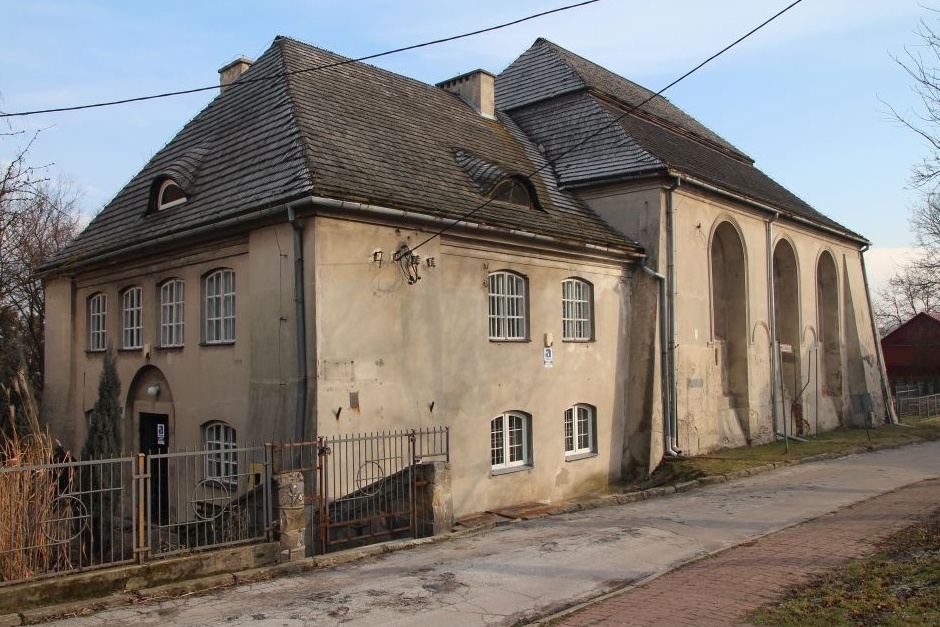
{ "title": "Synagogue of Leczna: A Hidden Gem in Poland's History", "description": "Nestled in the quaint town of Leczna, the Synagogue of Leczna stands as a testament to the rich Jewish heritage of Poland. This architectural marvel, built in the mid-seventeenth century, is often hailed as one of the most beautiful synagogues in the country. Its history is woven into the very fabric of the town, reflecting the cultural and historical significance of the Jewish community in the region.\n\n### History and Origins\nThe Synagogue of Leczna was constructed around 1642, during a time when the Jewish population in Poland was flourishing. The town itself, located in the Lublin Voivodeship, became a center for Jewish life, boasting a vibrant community that contributed to the local economy and culture. Over the centuries, the synagogue underwent several renovations and alterations, adapting to the needs of its congregants. \n\nHowever, the tragic events of World War II marked a dark chapter in its history. Following the Nazi occupation, the synagogue was repurposed as a grain warehouse, a fate shared by many Jewish places of worship during this period. After the war, the structure fell into neglect, and in 1952, there were plans for its demolition due to a lack of funds for its maintenance. Ironically, it was this very financial constraint that allowed it to survive, preserving a piece of history that might otherwise have been lost.\n\n### Art and Architecture\nThe architectural style of the Leczna Synagogue is a blend of Baroque and Mannerist influences, which is typical of synagogues built in Poland during the 17th century. Its façade features intricately carved stone details, and the prominent arched windows are adorned with decorative motifs that reflect the artistry of the time.\n\nInside, the synagogue boasts a beautifully crafted Torah Ark, which symbolizes the heart of Jewish worship. Although many interior elements have been lost to time, remnants of the original design can still be appreciated, showcasing the artistic significance of Jewish craftsmanship. The synagogue's overall structure serves as a poignant reminder of the cultural richness that once thrived in this region.\n\n### Local Culture and Traditions\nThe Jewish community in Leczna was integral to the town's identity for centuries. Local customs included traditional Jewish celebrations such as Passover, Hanukkah, and Yom Kippur, which would have drawn community members together in prayer and celebration. Today, while the Jewish population has dwindled, the memory of these traditions is preserved through cultural events and educational programs that honor the town's heritage.\n\nIn recent years, local initiatives have aimed to raise awareness about Jewish history in Leczna, often organizing events that celebrate this unique cultural tapestry. Visitors can engage with these programs and experience a glimpse into the past, fostering a deeper understanding of the town’s multicultural legacy.\n\n### Gastronomy\nLeczna's culinary scene reflects its diverse heritage, with traditional Polish dishes taking center stage. A visit to Leczna would not be complete without sampling pierogi, Polish dumplings filled with various ingredients like potatoes, cheese, or fruit. Another local favorite is bigos, often referred to as "
, "description": "Nestled in the quaint town of Leczna, the Synagogue of Leczna stands as a testament to the rich Jewish heritage of Poland. This architectural marvel, built in the mid-seventeenth century, is often hailed as one of the most beautiful synagogues in the country. Its history is woven into the very fabric of the town, reflecting the cultural and historical significance of the Jewish community in the region.\n\n### History and Origins\nThe Synagogue of Leczna was constructed around 1642, during a time when the Jewish population in Poland was flourishing. The town itself, located in the Lublin Voivodeship, became a center for Jewish life, boasting a vibrant community that contributed to the local economy and culture. Over the centuries, the synagogue underwent several renovations and alterations, adapting to the needs of its congregants. \n\nHowever, the tragic events of World War II marked a dark chapter in its history. Following the Nazi occupation, the synagogue was repurposed as a grain warehouse, a fate shared by many Jewish places of worship during this period. After the war, the structure fell into neglect, and in 1952, there were plans for its demolition due to a lack of funds for its maintenance. Ironically, it was this very financial constraint that allowed it to survive, preserving a piece of history that might otherwise have been lost.\n\n### Art and Architecture\nThe architectural style of the Leczna Synagogue is a blend of Baroque and Mannerist influences, which is typical of synagogues built in Poland during the 17th century. Its façade features intricately carved stone details, and the prominent arched windows are adorned with decorative motifs that reflect the artistry of the time.\n\nInside, the synagogue boasts a beautifully crafted Torah Ark, which symbolizes the heart of Jewish worship. Although many interior elements have been lost to time, remnants of the original design can still be appreciated, showcasing the artistic significance of Jewish craftsmanship. The synagogue's overall structure serves as a poignant reminder of the cultural richness that once thrived in this region.\n\n### Local Culture and Traditions\nThe Jewish community in Leczna was integral to the town's identity for centuries. Local customs included traditional Jewish celebrations such as Passover, Hanukkah, and Yom Kippur, which would have drawn community members together in prayer and celebration. Today, while the Jewish population has dwindled, the memory of these traditions is preserved through cultural events and educational programs that honor the town's heritage.\n\nIn recent years, local initiatives have aimed to raise awareness about Jewish history in Leczna, often organizing events that celebrate this unique cultural tapestry. Visitors can engage with these programs and experience a glimpse into the past, fostering a deeper understanding of the town’s multicultural legacy.\n\n### Gastronomy\nLeczna's culinary scene reflects its diverse heritage, with traditional Polish dishes taking center stage. A visit to Leczna would not be complete without sampling pierogi, Polish dumplings filled with various ingredients like potatoes, cheese, or fruit. Another local favorite is bigos, often referred to as "
, "description": "Nestled in the quaint town of Leczna, the Synagogue of Leczna stands as a testament to the rich Jewish heritage of Poland. This
