
← Back

Syria | Qalb Lozeh

Qalb Lozeh, Siria ★★★★☆ 199 views
Ranita Kotak
Qalb Lozeh
🏆 AI Trip Planner 2026

Get the free app

Discover the best of Qalb Lozeh with Secret World — the AI trip planner with 1M+ destinations. Get personalized itineraries, hidden gems and local tips. Free on iOS & Android.

🧠 AI Itineraries 🎒 Trip Toolkit 🎮 KnowWhere Game 🎧 Audio Guides 📹 Videos
Scan to download iOS / Android
Scan for AppGallery Huawei users

About Syria | Qalb Lozeh

Syria | Qalb Lozeh - Qalb Lozeh | Secret World Trip Planner

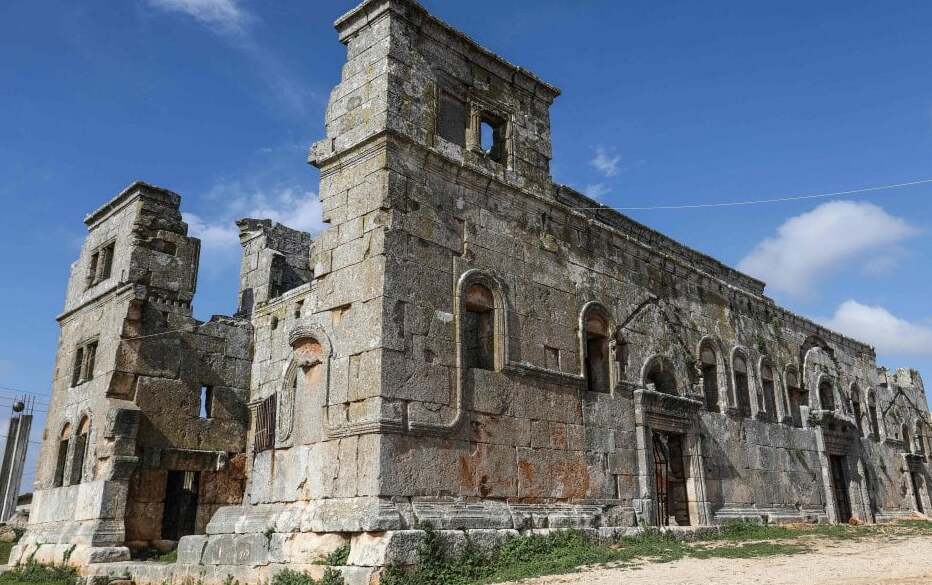
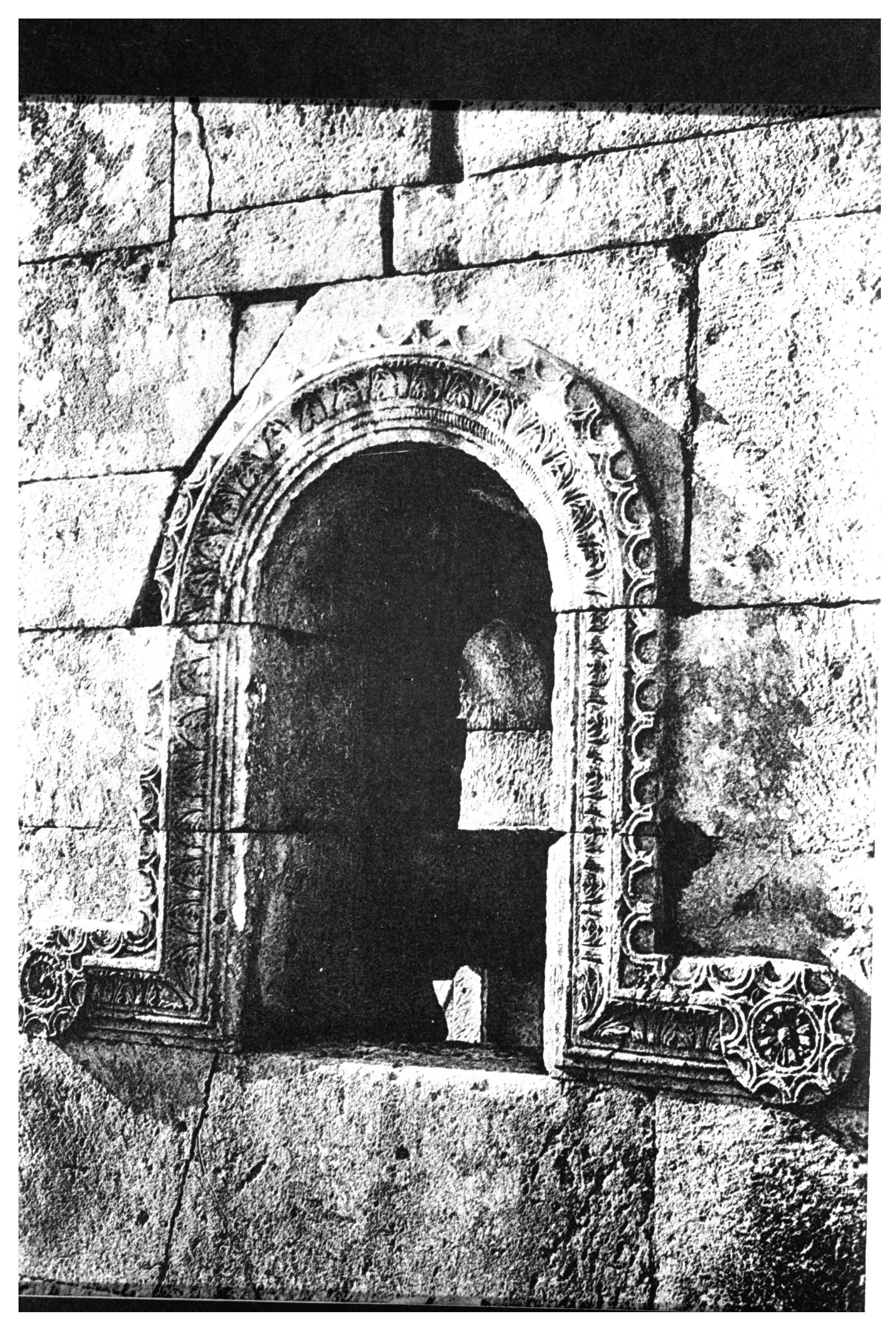
In the heart of one of Syria's dead cities, the remains of an ancient 5th century cathedral take you directly back to medieval masterpieces, Romanesque, even French Gothic. Fifty kilometres from the war-torn Aleppo, in the town of Qalb Lozeh, the remains of the church of the same name tell us of a work that once had a large arched entrance flanked by twin towers with a large central nave in the middle. An architectural structure that, according to a report by the French agency Afp that went to visit it, immediately after the dramatic fire that devastated Notre-Dame in Paris, makes that ancient cathedral of the Middle East now reduced to a ruin can be considered the ancestor of the jewel of the Ile de la Cité, and many other masterpieces of European Christian architecture of the Middle Ages. It is thought that Qalb Lozeh's is even the best example of Byzantine architecture of the Syrian era: it may have been the source of inspiration for several Romanesque and Gothic cathedrals in Europe, including the symbol of Paris. The work that stands in north-western Syria near the Turkish border since 2011 has been included in the list of UNESCO World Heritage Sites along with other churches and ruins of ancient northern villages, which in recent years have sadly become the scene of war. That of Qalb Lozeh, of early Christian origin, is believed to have been surrounded by a high wall and was a stopover for pilgrims on their way to Qal'at Sim'an for the relic of Saint Simeon stylite.

Syria | Qalb Lozeh - Qalb Lozeh | Secret World Trip Planner
🗺 AI Trip Planner 2026

Plan your visit to Qalb Lozeh

Suggested itinerary near Syria | Qalb Lozeh

MAJ+
500.000+ travelers worldwide
  1. 🌅
    Morning
    Syria | Qalb Lozeh
    📍 Qalb Lozeh
  2. ☀️
    Afternoon
    Syria’s Qalb Lozeh and Notre-Dame in Paris
    📍 0 km · Qalb Lozeh

Buy Unique Travel Experiences

Powered by Viator

See more on Viator.com

Explore nearby · Qalb Lozeh

Frequently Asked Questions

Qalb Lozeh is considered one of the finest examples of Byzantine architecture from the Syrian era, featuring a large arched entrance flanked by twin towers and a central nave. According to architectural experts, this 5th century cathedral is believed to have inspired many Romanesque and Gothic cathedrals across Europe, including the famous Notre-Dame in Paris, making it a crucial ancestor to medieval European Christian architecture.
Qalb Lozeh is situated in northwestern Syria near the Turkish border, approximately 50 kilometers from Aleppo. However, due to the ongoing conflict since 2011, the site has been difficult and unsafe to access for tourists, and travel to this region is currently not recommended by most governments.
Qalb Lozeh was constructed as an early Christian church with a surrounding defensive wall and served as a stopover point for pilgrims traveling to Qal'at Sim'an to venerate the relic of Saint Simeon stylite. This strategic location made it an important religious waypoint along medieval pilgrimage routes in the region.
Yes, Qalb Lozeh has been included in the UNESCO World Heritage Sites list along with other churches and ruins of ancient northern Syrian villages. This designation recognizes its outstanding universal value and architectural importance, though the site remains threatened by the conflicts that have plagued the region since 2011.
Today, Qalb Lozeh stands as a ruin in what is known as one of Syria's 'dead cities,' with only the architectural remains of the ancient cathedral visible. The site retains enough of its original structure to showcase the distinctive Byzantine design with its twin towers and central nave, though it has been significantly damaged over centuries and by recent conflicts.