
← Back

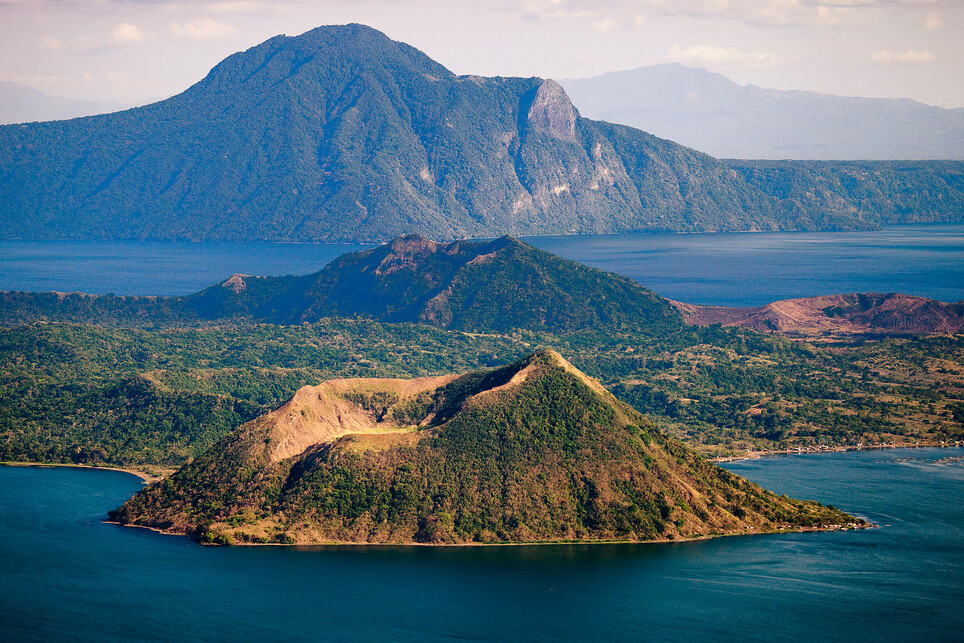
Taal Lake in the Philippines

Lago Taal, Provincia di Batangas, Filippine ★★★★☆ 2,889 views
luisa Benitez
Lago Taal
🏆 AI Trip Planner 2026

Get the free app

Discover the best of Lago Taal with Secret World — the AI trip planner with 1M+ destinations. Get personalized itineraries, hidden gems and local tips. Free on iOS & Android.

🧠 AI Itineraries 🎒 Trip Toolkit 🎮 KnowWhere Game 🎧 Audio Guides 📹 Videos
Download on the App Store Get it on Google Play
Scan to download Scan to download
Taal Lake in the Philippines - Lago Taal | Secret World Trip Planner

Nestled in the heart of southwestern Luzon, Taal Lake is not just a stunning natural wonder; it is a tapestry woven with history, culture, and breathtaking landscapes. Formed within a volcanic crater, this third-largest lake in the Philippines spans an impressive 94 square miles (244 square kilometers) and is home to the infamous Taal Volcano, which dramatically rises from its depths. Known for its rich history, Taal Lake has witnessed significant events and transformations over centuries, making it a profound subject of study and exploration.

### History and Origins The origins of Taal Lake date back thousands of years, linked to the explosive volcanic activity of the region. The area was once part of an extensive volcanic complex, resulting in the formation of the lake as we know it today. The earliest known inhabitants were the Tagalog people, who revered the lake and its volcano as sacred. Taal Volcano's eruptions, notably in 1572, 1911, and most recently in 2020, have shaped both the landscape and the lives of the communities around it. The eruptions were not only geological events but also pivotal moments that led to the resettlement of nearby towns like Taal and Balete. Each eruption added layers to the folklore and spirituality surrounding the lake, making it a focal point of local identity.

### Art and Architecture The Taal Lake area is a treasure trove of Spanish colonial architecture, with Taal town showcasing beautifully preserved ancestral houses. The Basilica of St. Martin de Tours, one of the largest churches in the Philippines, stands as a testament to the artistic and architectural prowess of the era. Its intricate façade and expansive interior reflect the cultural fusion of European and local influences. Notable artworks include the stunning altar pieces and religious iconography that adorn the church, captivating visitors with their beauty and historical significance.

### Local Culture and Traditions Culture thrives around Taal Lake, where local customs and traditions are celebrated with fervor. The Taal Festival, held annually in January, commemorates the town's history, featuring vibrant parades, street dancing, and a showcase of local crafts. The town's famous Taal Barako Coffee and longganisa (local sausage) are integral to the festivities, highlighting the region's agricultural bounty. The people of Taal also partake in the traditional practice of crafting barong Tagalog and terno, showcasing their artistry and cultural pride.

### Gastronomy No visit to Taal Lake is complete without indulging in its local gastronomy. The iconic Taal Bulalo, a hearty beef marrow soup, is a must-try, especially enjoyed after a day of hiking the volcano. Lomi, a thick noodle dish, is another local favorite, often served at roadside eateries. For dessert, the Taal puto (rice cake) and ube halaya (purple yam jam) are delightful treats that reflect the region's culinary heritage. Pair these dishes with a cup of freshly brewed Barako coffee, and you’ll experience the unique flavors that define the region.

### Lesser-known Curiosities While many visitors flock to the lake for its scenic views and boating opportunities, few know that Taal Lake is home to unique biodiversity. The lake's waters are inhabited by distinct species, including the endemic Taal Lake eel, which thrives in its depths. Additionally, the small island of Volcano Island features Yellow Lake, a crater lake within a crater that boasts a distinct yellow hue due to its sulfuric content. This geological oddity remains a hidden gem, often overlooked by tourists eager to explore the main attractions.

### Practical Visitor Information For those planning a trip, the best time to visit Taal Lake is during the dry season, which spans from November to April. This period offers clear skies and pleasant temperatures, ideal for outdoor activities. When visiting, consider taking a boat tour to Volcano Island, where you can hike to the summit for stunning panoramic views. As you explore, take time to engage with local artisans and sample their crafts. It’s advisable to check local advisories regarding volcanic activity, as safety is paramount.

In conclusion, Taal Lake is more than just a beautiful sight; it’s a rich tapestry of history, culture, and culinary delights waiting to be discovered. Whether you’re an adventure seeker, a history enthusiast, or a foodie, this spectacular destination has something for everyone. To make the most of your visit, consider using the Secret World app to plan a personalized AI itinerary tailored to your interests.

🗺 AI Trip Planner

Plan your visit to Lago Taal

Suggested itinerary near Taal Lake in the Philippines

MAJ+
500.000+ travelers worldwide
  1. 🌅
    Morning
    Taal Lake in the Philippines
    📍 Lago Taal
  2. ☀️
    Afternoon
    Lago Taal nelle Filippine
    📍 0 km da Lago Taal
  3. 🌆
    Evening
    Taal-See auf den Philippinen
    📍 0 km da Lago Taal

Buy Unique Travel Experiences

Powered by Viator

See more on Viator.com

Explore nearby · Lago Taal
