


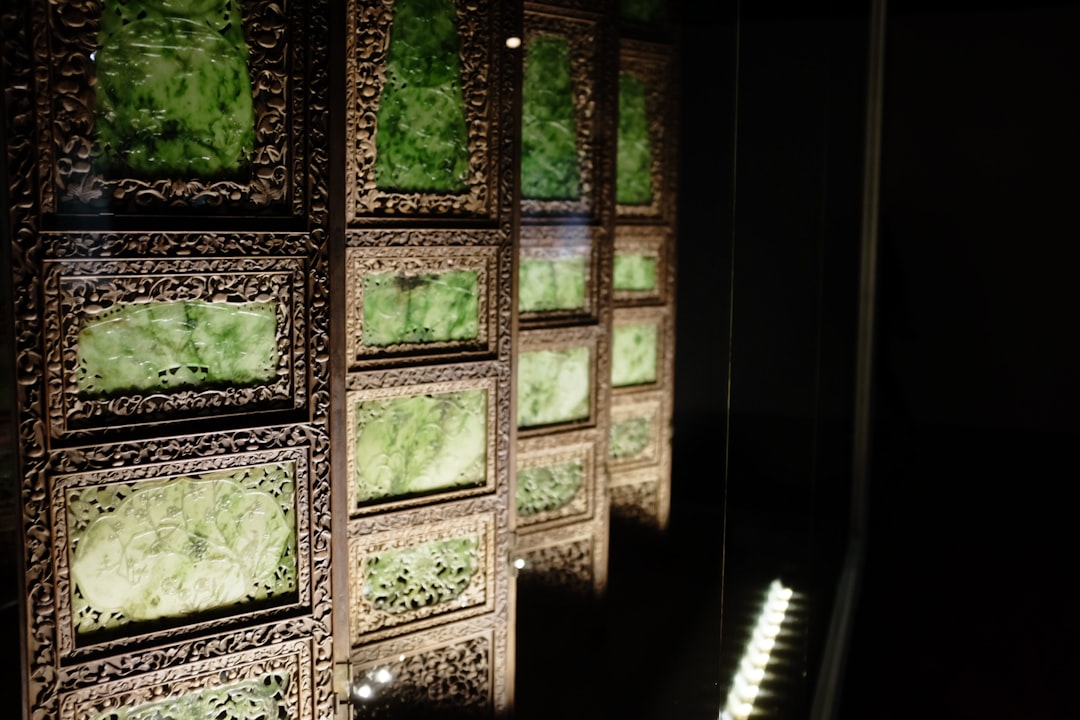
A small sculpture of green and white jadeite, just about twenty centimeters long, attracts lines of visitors every day in front of its display case. It is the Cabbage of jadeite (翠玉白菜), one of the most famous pieces in the entire collection of the National Palace Museum in Taipei, carved during the Qing dynasty and considered a masterpiece for the artisan's ability to exploit the natural veining of the stone to imitate the leaves of a common vegetable. This object, seemingly modest, tells better than any caption the level of refinement achieved by Chinese imperial arts over the centuries.
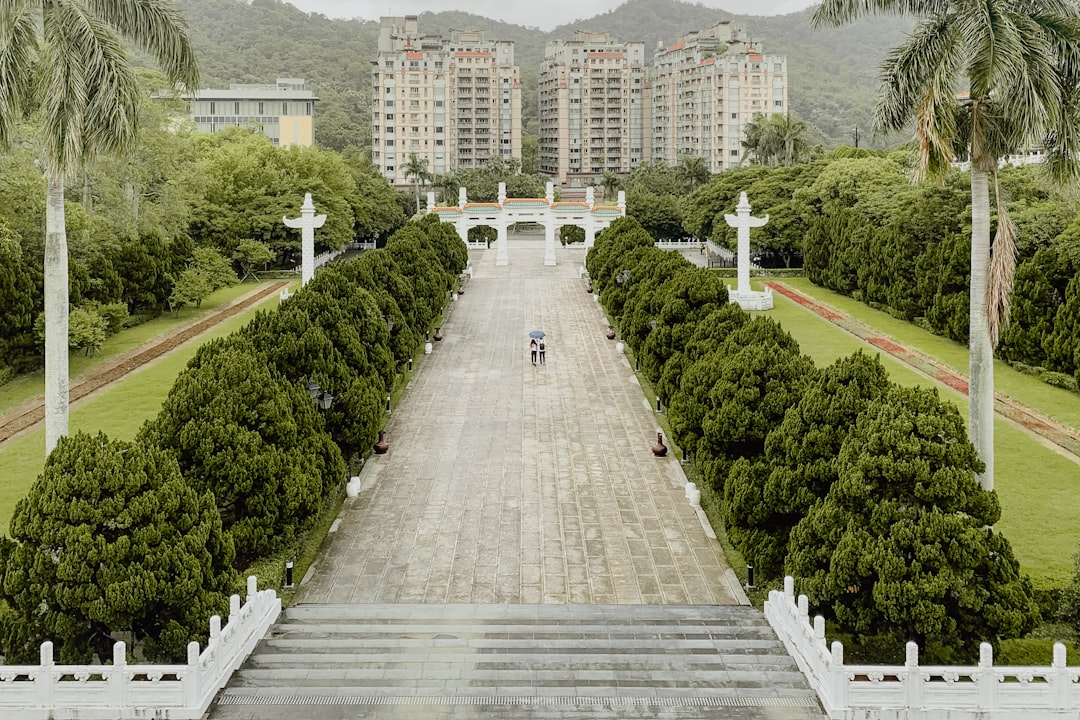
The museum is located on the hills of Shilin, in the north of Taipei, and houses one of the most complete collections of Chinese imperial art in the world. The collection, which includes over 690,000 cataloged items, comprises ritual bronzes, Song and Ming ceramics, silk paintings, calligraphy, lacquers, enamels, and jade artifacts accumulated over centuries in the collections of the Forbidden City in Beijing. When the nationalist forces retreated to Taiwan in 1949, they brought with them thousands of crates containing imperial treasures, which found a permanent home in this building inaugurated in 1965, designed in Chinese palatial style with pavilion roofs and green and yellow ceramic cladding.
The collection: bronzes, ceramics, and painting

Walking through the galleries of the floor dedicated to ritual bronzes means traversing three thousand years of Chinese history in a nearly physical way. The ding vases, gui vessels, and jue cups on display date back to the Shang and Zhou dynasties, with engraved inscriptions that researchers continue to study. The oxidized surfaces show green and blue patinas that no restoration has altered, making each piece readable as a historical document as well as a work of art.
The ceramics occupy an entire wing and cover a chronological span from Ming blue and white porcelain to refined monochromes of the Song dynasty. Particularly admired is the Pork-shaped Cup in Jasper (肉形石), another of the museum's iconic works: it is a block of layered jasper that astonishingly mimics a piece of braised pork belly, complete with skin, fat, and differently colored meat. The proximity in the exhibition path between the Jadeite Cabbage and the Pork Cup has given rise to the joke that the museum showcases the best lunch in Taiwan.
Paintings and Calligraphy: A Heritage Difficult to Exhibit All
The section dedicated to paintings and calligraphy is the one that has the most frequent rotation, because light and humidity would damage the works if displayed permanently. The museum houses works attributed to Song masters such as Fan Kuan, whose scroll Travelers among Mountains and Streams is considered one of the masterpieces of Chinese landscape painting. When this scroll is exhibited — which happens rarely and for limited periods — lines form hours before opening.

Calligraphy occupies an important space in the Chinese aesthetic hierarchy, and the museum reflects this with a collection that includes examples of different styles throughout the centuries. For those unfamiliar with Chinese writing, the English captions and scale reproductions help to navigate, but the visual impact of an original Song scroll remains accessible even without knowing its literal content.
How to Organize Your Visit Effectively

The museum is reachable from the Shilin MRT station (red line), from which local buses depart to the main building in just a few minutes. Alternatively, a taxi from the station takes less than ten minutes. The most useful advice is to arrive at opening time, around 8:30 in the morning on weekdays, to avoid organized groups that tend to arrive between 10 and 1. The standard entrance ticket costs about 350 Taiwanese dollars for adults, with discounts for students and seniors over 65.
Allowing at least three hours for a selective visit is realistic; those who want to cover all the permanent galleries take twice as long. The museum has an official app with audio guides in various languages, including Italian, which can be downloaded before the visit to avoid connection issues. The on-site restaurant, located on the ground floor of the main building, serves dishes inspired by imperial Chinese cuisine and provides a break consistent with the context, although prices are above the average for Taipei. During the summer months, July and August, attendance is at its peak and the lines for the Jadeite Cabbage can exceed forty minutes: in that case, visiting the bronze or ceramics section first and returning to the iconic piece towards closing time significantly reduces the wait.


