



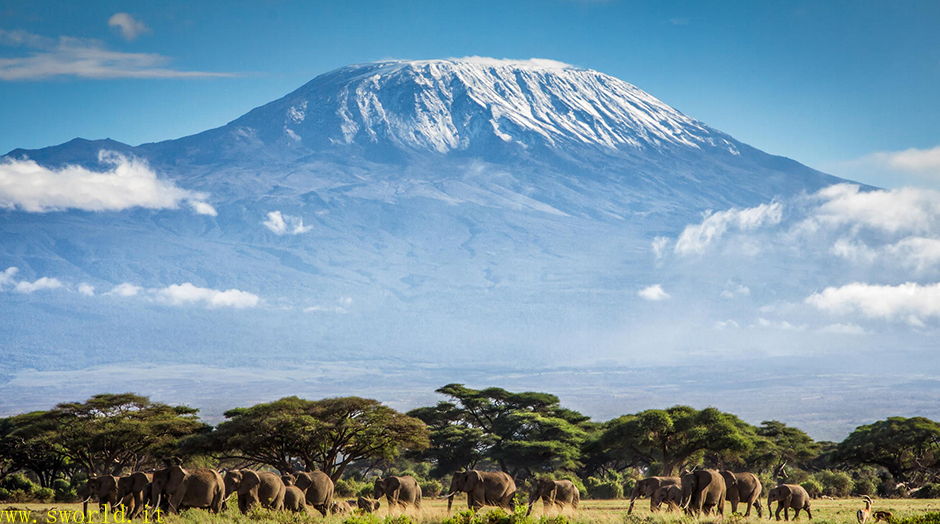
Rising majestically from the plains of Tanzania, Mount Kilimanjaro is not just Africa's highest peak; it is a symbol of adventure and natural beauty. Towering at 19,340 feet, this dormant stratovolcano entices trekkers and nature lovers from across the globe, offering an unforgettable journey through diverse ecosystems and breathtaking vistas.
History and Origins
The history of Mount Kilimanjaro is steeped in both geological and cultural significance. Formed around 1 million years ago, its three volcanic cones—Kibo, Mawenzi, and Shira—provide a stunning backdrop to the rich tapestry of Tanzania’s history. The mountain holds a sacred place in the traditions of the Chaga people, who have inhabited its slopes for centuries. They regard it as a place of spiritual significance, often weaving stories of deities residing atop its snowy summit.
The first recorded attempt to summit Kilimanjaro was made in 1889 by German explorer Hans Meyer and his team, marking a pivotal moment in climbing history. Since then, the mountain has become a beacon for adventurers, drawing climbers who seek to conquer its challenging trails and witness its stunning panoramas.
Art and Architecture
While Kilimanjaro itself is a natural marvel, the surrounding regions boast architectural gems reflecting the local culture. The Chaga huts, typically circular and made from mud and thatch, are emblematic of the indigenous architectural style, designed to blend harmoniously with the landscape. The intricate carvings and colorful murals that adorn some of the huts tell stories of daily life and the community's rich heritage.
In the nearby town of Moshi, vibrant markets and artisan shops showcase local craftsmanship, from handwoven baskets to intricate beadwork. These artistic expressions not only serve as souvenirs but also as a connection to the stories and traditions of the people who call this region home.
Local Culture and Traditions
The culture surrounding Mount Kilimanjaro is vibrant and diverse, shaped by the various ethnic groups that inhabit the area. The Chaga, Pare, and Maasai tribes each contribute unique customs, languages, and traditions. Festivals like Kilimanjaro Marathon and the Chaga Cultural Festival celebrate local heritage, featuring traditional music, dance, and culinary delights.
The Chaga people are particularly known for their agricultural prowess, cultivating coffee on the fertile slopes of Kilimanjaro. Coffee ceremonies, an essential part of social life, highlight the importance of this crop, offering visitors a glimpse into the heart of local culture.
Gastronomy
The cuisine around Mount Kilimanjaro is as diverse as its ecosystems. Traditional meals often feature staples such as ugali (a cornmeal porridge) and sukuma wiki (stewed greens). Fresh fruits, like bananas and avocados, flourish in the region, complementing the local diet.
For a true taste of Kilimanjaro, try the famous Kilimanjaro beer, a refreshing lager brewed locally. Pair it with nyama choma, roasted meat typically enjoyed during social gatherings, and you’ll experience the rich flavors of Tanzanian life.
Lesser-known Curiosities
Beyond its summit, Kilimanjaro holds many surprises. The mountain is home to the Kilimanjaro National Park, a UNESCO World Heritage site, which shelters unique flora and fauna. The Giant Groundsel, a bizarre-looking plant endemic to the mountain, can be found in the alpine desert zone, resembling a creature straight from a fantasy novel.
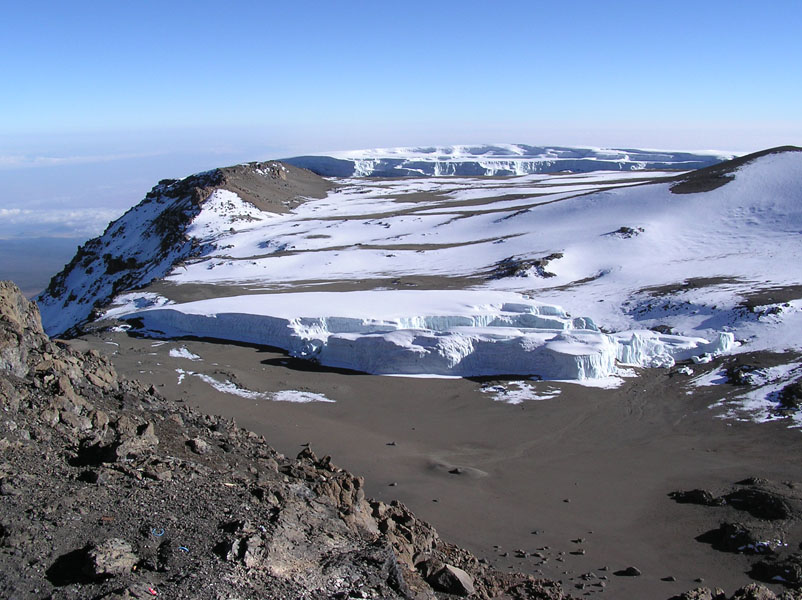
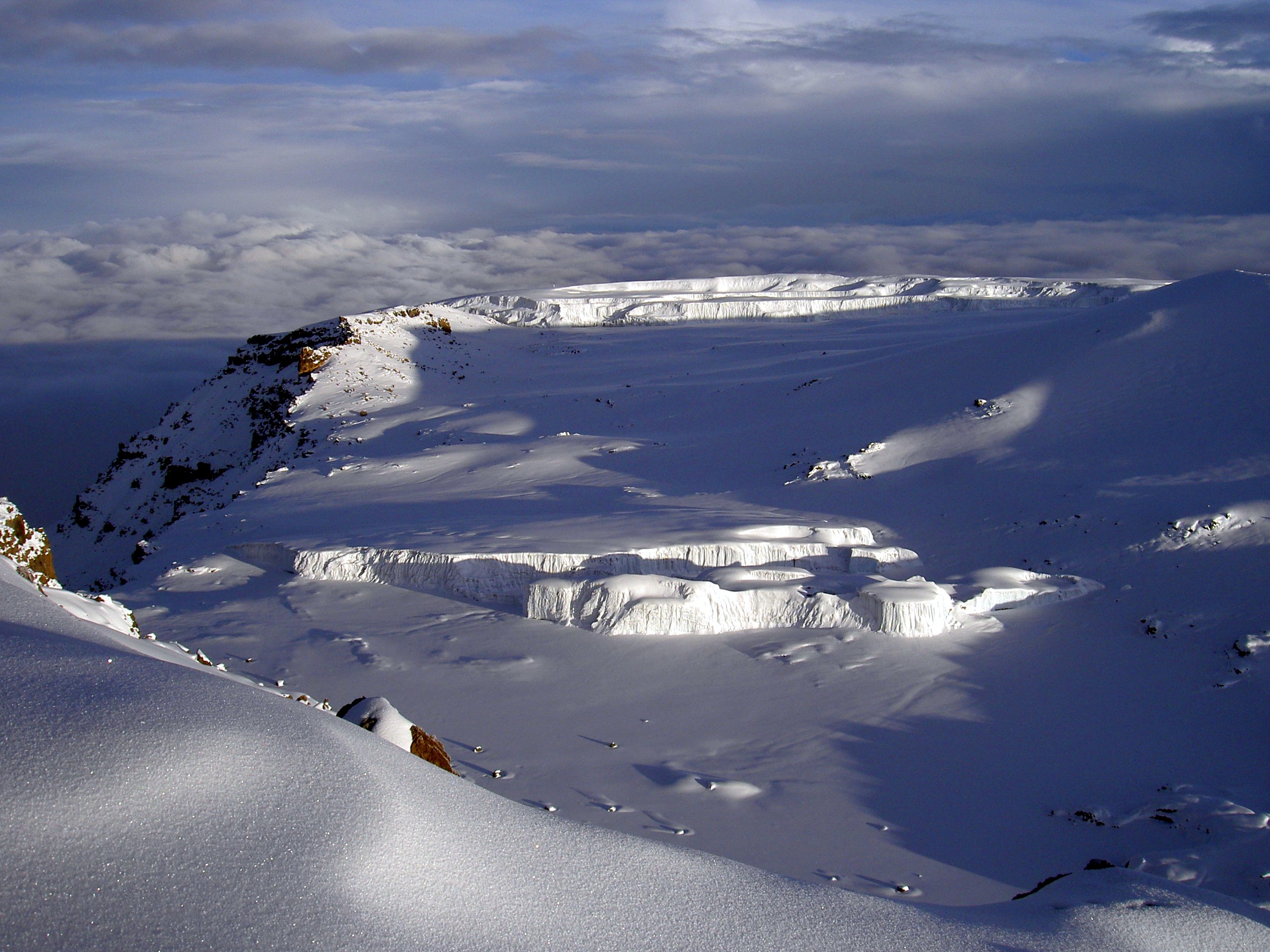
Additionally, Kilimanjaro’s glaciers have been rapidly retreating due to climate change, with scientists estimating they could disappear within the next few decades. This stark reality serves as a poignant reminder of our planet's vulnerabilities, making a visit to the mountain not just a journey of exploration but also one of environmental awareness.
Practical Visitor Information
The best time to visit Mount Kilimanjaro is during the dry seasons, from June to October and January to February. These months offer optimal weather conditions for climbing, with clear skies and mild temperatures.
When planning your trek, it’s crucial to choose the right route. The Machame and Lemosho routes are popular for their stunning scenery and varied landscapes, providing trekkers with a memorable experience. Always ensure you are adequately prepared; acclimatization is key to a successful summit.
Don’t forget to engage with local guides who can enrich your experience with their knowledge of the mountain and its cultural significance. They are not just navigators but storytellers, offering insights into the lore and life surrounding Kilimanjaro.
Embarking on a journey to Mount Kilimanjaro is more than just climbing a mountain; it’s a deep dive into the heart of Tanzania’s culture, history, and natural beauty. As you plan your adventure, consider utilizing the Secret World app to create a personalized itinerary that captures the essence of this magnificent peak.
