

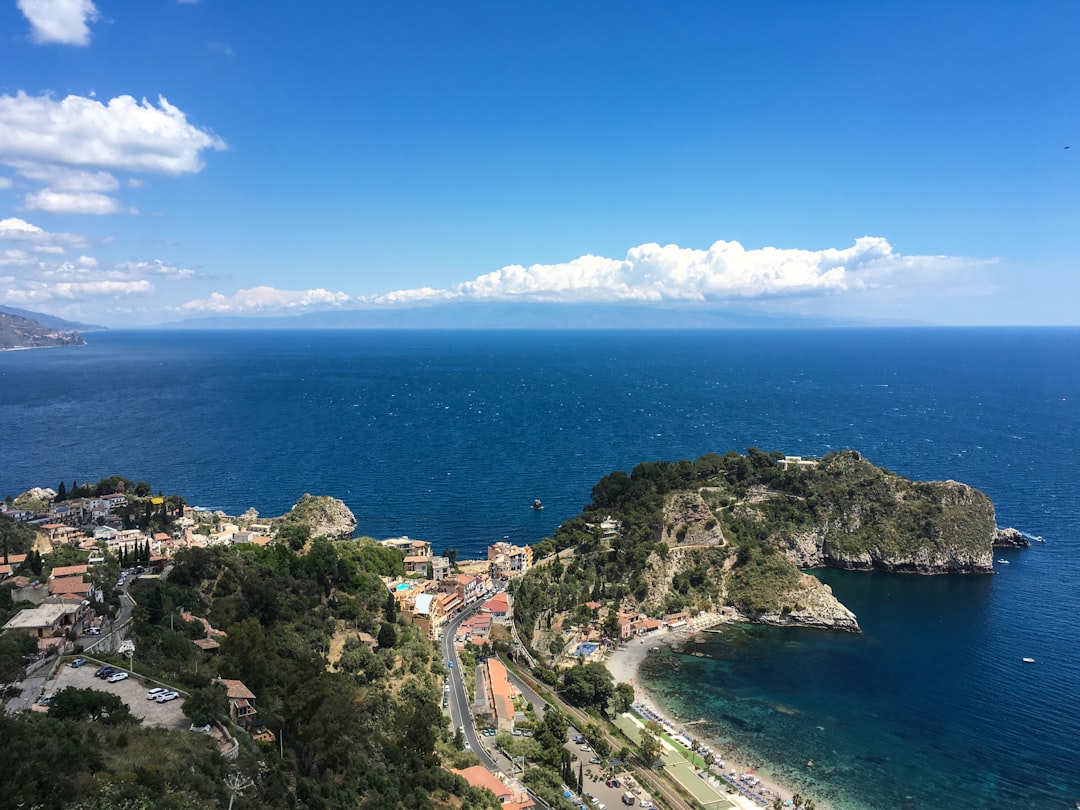
Perched gracefully on a cliff overlooking the azure waters of the Ionian Sea, Taormina in Sicily is a mesmerizing blend of history, culture, and natural beauty. This charming town captivates visitors with its breathtaking views, rich past, and vibrant local life, making it a must-visit destination on any Sicilian itinerary.
History and Origins
The origins of Taormina trace back to the ancient Greeks, who founded the town in the 4th century BC. Known as Tauromenion, it quickly became a significant player in the region due to its strategic location. Its prominence continued under Roman rule, and remnants of this era can still be seen today. The Greek Theatre, built in the 3rd century BC and later expanded by the Romans, stands as a testament to Taormina's ancient glory. Throughout the centuries, the town has been touched by various cultures, including the Byzantines, Arabs, and Normans, each leaving their indelible mark on its character.
Art and Architecture
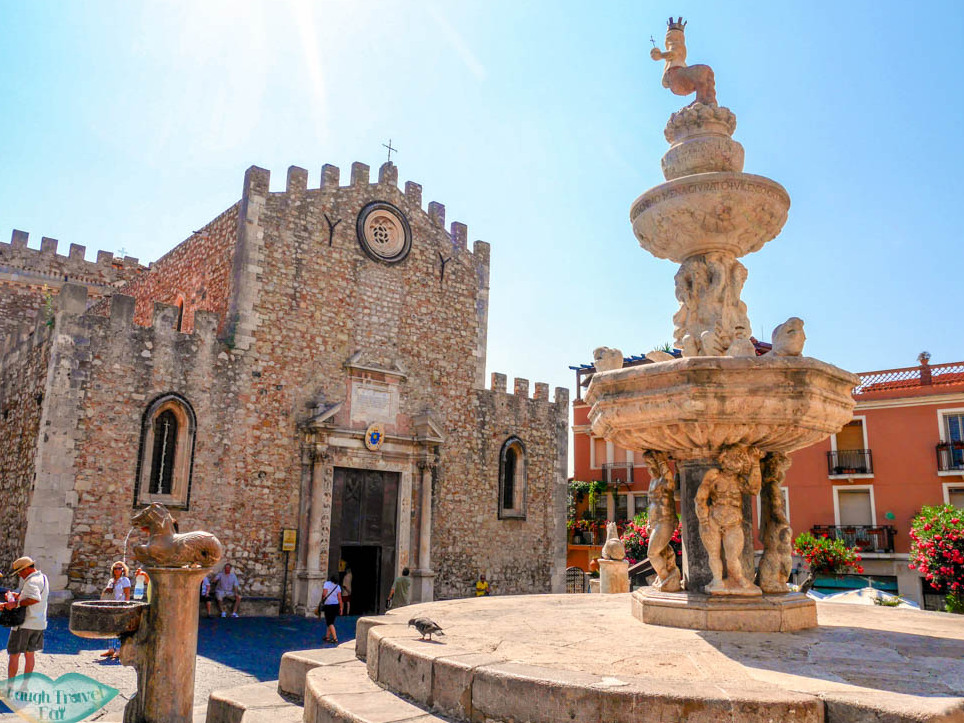
Taormina is a treasure trove of architectural wonders. The Greek Theatre, with its stunning backdrop of Mount Etna, is not only a historical site but also an active venue for performances, offering a magical setting for cultural events. The medieval Corvaja Palace showcases Norman architectural influences, while the Cathedral of San Nicola, built in the 13th century, features a blend of Gothic and Baroque styles. Art enthusiasts can explore the town's numerous galleries and exhibitions, which frequently showcase works by local artists inspired by Taormina's enchanting scenery.
Local Culture and Traditions
Rooted deeply in tradition, Taormina hosts several vibrant festivals throughout the year. The Taormina Film Fest, held annually since 1955, attracts cinema lovers from around the world. During the summer, the town comes alive with the Festival del Teatro Greco, where classical and contemporary performances are staged in the ancient theatre. Visitors can also experience the heartfelt local customs during religious celebrations, such as the Feast of San Pancrazio, the town's patron saint.
Gastronomy
Sicilian cuisine is renowned for its rich flavors, and Taormina offers a culinary journey like no other. Indulge in arancini, delicious rice balls filled with ragù or cheese, or savor the taste of freshly caught seafood prepared with local herbs. Pasta alla Norma, featuring eggplant and ricotta salata, is a must-try dish. For dessert, cannoli and granita are local favorites that perfectly encapsulate the sweet side of Sicilian gastronomy. Pair your meals with a glass of Etna wine, produced from the vineyards on the slopes of the nearby volcano.
Lesser-known Curiosities
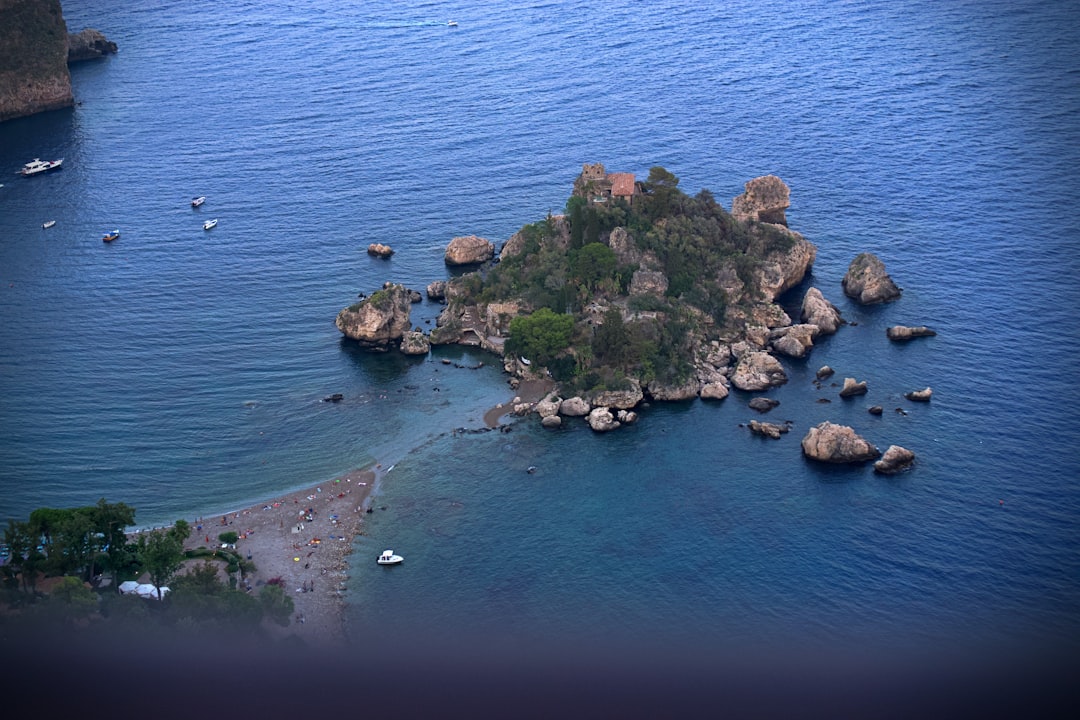
Beyond its famous landmarks, Taormina holds a few secrets that add to its allure. The Odeon, a smaller Roman theatre, is often overshadowed by its larger counterpart but offers a more intimate glimpse into the town's past. Wander through the Villa Comunale gardens, a lesser-known oasis filled with exotic plants and whimsical Victorian follies. Few tourists realize that Isola Bella, a small island connected to Taormina by a thin strip of sand, is a nature reserve brimming with rare flora and fauna.
Practical Visitor Information
The best time to visit Taormina is during the spring and fall when the weather is mild and the crowds are thinner. For an authentic experience, explore the town on foot, navigating its narrow cobblestone streets. Don't miss the panoramic views from the Piazza IX Aprile or a leisurely stroll along Corso Umberto, the main shopping street lined with boutiques and cafes. Be sure to bring comfortable shoes and a camera to capture the stunning vistas that await around every corner.
For a personalized itinerary to experience the hidden wonders of Taormina, consider using the Secret World app.


