



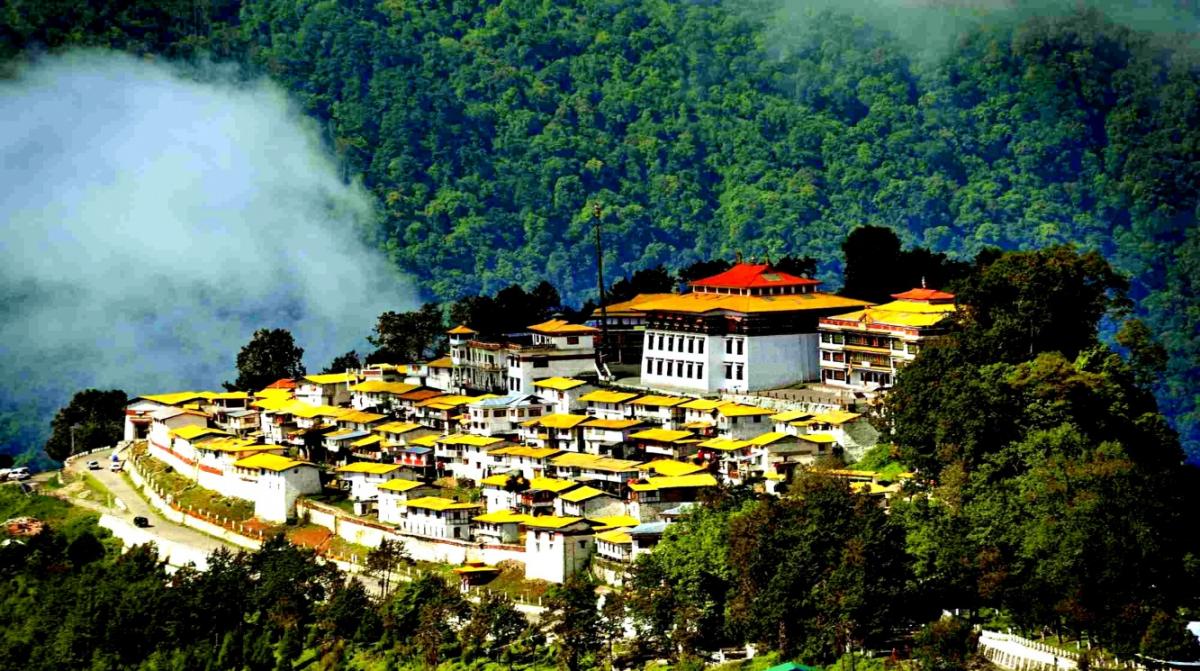
Perched at an altitude of 3,000 meters in the eastern Himalayas, Tawang Monastery is a breathtaking testament to the rich spiritual and cultural tapestry of India. Known in Tibetan as Galden Namgey Lhatse, meaning "celestial paradise in a clear night," this monastery is not just the largest in India; it serves as a vital center for the Monpa people and their unique cultural heritage.
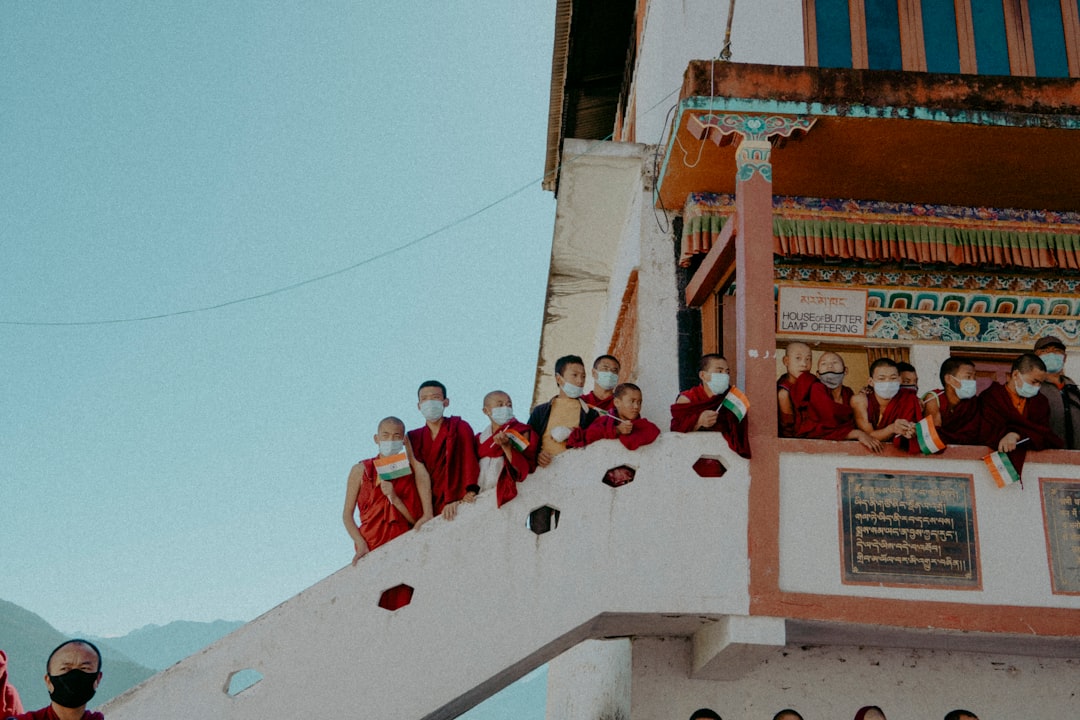
The roots of Tawang Monastery trace back to the early 17th century. Founded in 1680 by Merak Lama and sanctioned by the Fifth Dalai Lama, the monastery was established as a center for Buddhist learning and spiritual practice. The monastery's significance grew as the region was integrated into Tibet under the auspices of the Lhasa Tibetan Government. This incorporation marked an important juncture in the ethno-religious landscape of the Mon kingdom, known for its distinct identity and rich traditions.
In the centuries that followed, Tawang Monastery became a vibrant hub for spiritual interaction across the Trans-Himalayan belt, facilitating exchanges with other Buddhist kingdoms such as Bhutan, Ladakh, Spiti, Gilgit Baltistan, and Mustang. While many of these exchanges were marked by forced migration, the monastery itself remained a sanctuary for the Monpas, allowing them to preserve their cultural and religious identity amid broader geopolitical shifts.
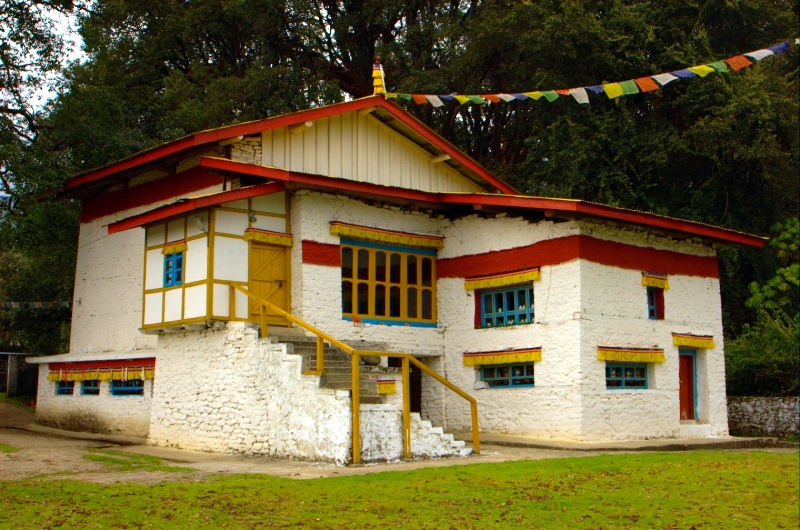
Architecturally, Tawang Monastery is a stunning blend of traditional Tibetan and local styles. The main assembly hall, or Dukhang, features intricately painted murals depicting the life of Buddha and various Bodhisattvas, showcasing the artistry and devotion of the local craftsmen. The monastery is adorned with over 600 lamas and houses an impressive collection of ancient scriptures, statues, and thangkas (traditional Tibetan scroll paintings). The 18-foot high statue of Buddha inside the monastery is a highlight, capturing the essence of Tibetan Buddhist artistry and spirituality.
Local culture thrives in the shadow of Tawang Monastery. The Monpa people, with their distinct customs and traditions, celebrate various festivals that reflect their rich heritage. One of the most notable is the Losar festival, marking the Tibetan New Year, which features colorful processions, traditional dances, and festive meals. Another significant event is the Buddha Jayanti, celebrating the birth of Buddha, where monks perform elaborate rituals and prayers. These festivals offer a glimpse into the vibrant cultural ethos of the region, inviting visitors to participate in the communal spirit.
Food plays a pivotal role in the local culture, with Monpa cuisine offering a delightful array of flavors. Visitors to Tawang can savor thukpa, a hearty noodle soup, and momos, Tibetan dumplings filled with vegetables or meat, often enjoyed with spicy dipping sauces. Chura, a traditional cheese made from yak milk, is also popular, while local brews made from barley, known as chang, provide a warming counterpart to the cool Himalayan air.
For those intrigued by hidden gems, the lesser-known stories of Tawang Monastery are nothing short of fascinating. One such story involves the monastery's library, which houses ancient texts that date back hundreds of years. These texts are not just religious scriptures; they contain historical accounts that shed light on the socio-political dynamics of the region. Additionally, many tourists miss the serene Buddhist stupas scattered around the monastery grounds, which offer a tranquil space for meditation and reflection, away from the bustling assembly hall.
When planning a visit to Tawang Monastery, timing can enhance the experience. The best time to visit is between March and October, when the weather is relatively mild, allowing for comfortable exploration. Make sure to dress warmly, as the temperature can drop significantly, especially in the evenings. It’s also advisable to check for any local festivals taking place during your visit, as these can offer unique insights into the area's cultural heartbeat.
As you explore the monastery, be sure to take your time to absorb the intricacies of its architecture and the serenity of its surroundings. Engage with the local monks, who often welcome visitors with open arms, sharing their knowledge and stories of the monastery's history.
For a truly personalized itinerary that captures the spirit of Tawang, consider using the Secret World app to plan your journey through this enchanting region.
