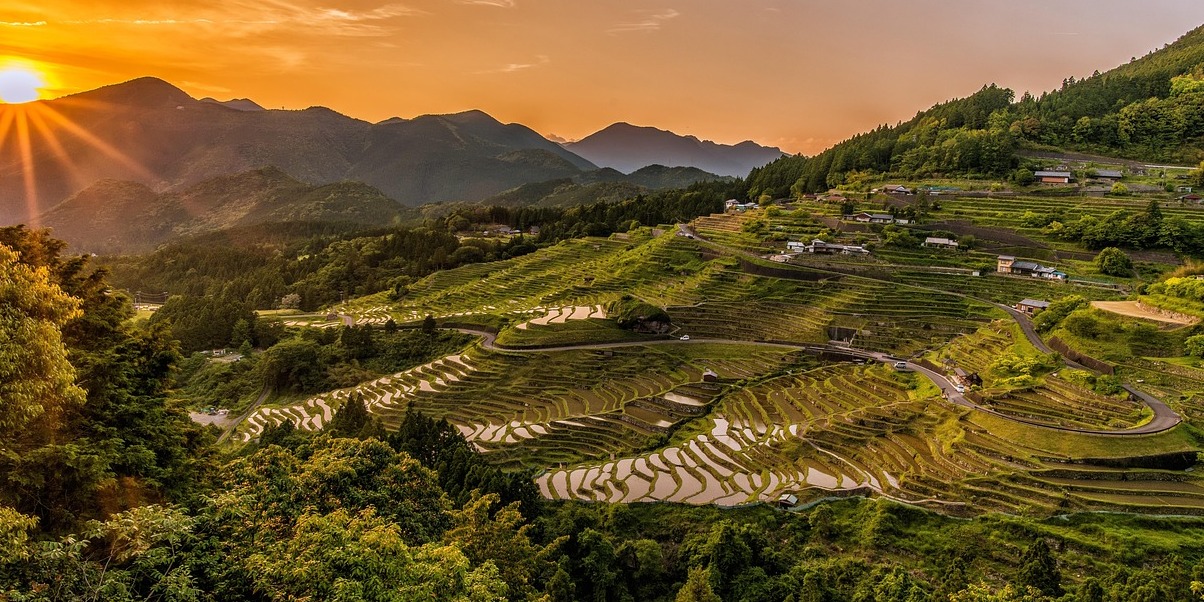
Amidst the verdant hills of Bali, the Tegallalang Rice Terraces stand as a testament to the island's rich agricultural heritage and stunning landscape. Located at coordinates -8.4340403, 115.2792569, these terraces not only offer breathtaking views but also a deep dive into the traditional practices that have shaped Balinese culture for centuries.
### History and Origins The Tegallalang Rice Terraces have roots that trace back to ancient Bali, where rice farming became integral to the island's economy and sustenance. The unique subak irrigation system, which dates back to the 9th century, was pioneered by Balinese farmers to manage water distribution from rivers to their fields efficiently. This system allowed for the terracing of hillsides, making rice cultivation feasible in the steep terrains of Bali. Over the years, Tegallalang has evolved into a symbol of Bali's agricultural prowess, attracting visitors and scholars alike who wish to understand the intricate balance between nature and farming that defines this region.
### Art and Architecture The architecture of Tegallalang Rice Terraces is a harmonious blend of nature and human ingenuity. The terraces are meticulously carved into the hillside, creating a cascading effect that resembles a giant staircase made of lush green rice paddies. A notable feature of the area is the traditional Balinese houses that dot the landscape, often adorned with intricate carvings and vibrant gardens. These dwellings reflect the island's architectural style, characterized by open spaces, thatched roofs, and the use of local materials. The artistry of the rice terraces themselves is also significant; they are not just agricultural plots but a living artwork shaped by generations of farmers who have cultivated this land.
### Local Culture and Traditions Visiting Tegallalang provides a glimpse into the rich tapestry of Balinese culture. The local customs are deeply entwined with the agricultural calendar, with festivals like Ngusaba, which celebrates the harvest, playing a vital role in the community. During these ceremonies, offerings are made to the rice gods, a testament to the Hindu beliefs that permeate Balinese life. Traditional dances and music often accompany these celebrations, bringing the community together in a vibrant showcase of their cultural heritage. The farmers of Tegallalang continue to practice age-old traditions, ensuring that their connection to the land remains strong and that their cultural identity is preserved.
### Gastronomy The culinary scene in Tegallalang is rich with flavors deeply rooted in local produce. Visitors can savor traditional dishes like nasi goreng (fried rice) and nasi campur (mixed rice), which often feature fresh vegetables and herbs grown right in the terraces. Another delicacy is Bali's sate lilit, skewered minced meat wrapped around lemongrass sticks that impart a fragrant flavor. To accompany these dishes, a refreshing young coconut can be enjoyed, often sold by friendly locals who are eager to share their culture with visitors. The area is also known for its coffee, particularly Bali coffee, which is cultivated in the highlands and celebrated for its rich taste.
### Lesser-known Curiosities While many tourists flock to the Tegallalang Rice Terraces for the iconic photos, there are hidden gems that remain undiscovered by the masses. For instance, many visitors don’t realize that the subak irrigation system is not only a practical method of farming but also a UNESCO-recognized cultural landscape. Additionally, the terraces are home to various wildlife, including colorful birds and butterflies, making it a delightful spot for nature enthusiasts. A lesser-known fact is that there are several small family-run farms and workshops in the area where visitors can learn about traditional farming techniques and even participate in rice planting or harvesting activities, offering an authentic experience.
### Practical Visitor Information The best time to visit Tegallalang Rice Terraces is during the dry season, from April to October, when the weather is pleasant and the rice fields are lush and vibrant. Early morning or late afternoon is ideal for photography, as the light casts a magical glow over the landscape. When exploring, wear comfortable shoes, as the terraces can be steep and uneven. Be sure to bring your camera, as the panoramic views are breathtaking. Additionally, consider supporting local artisans by purchasing handmade crafts and souvenirs from the area.
In conclusion, Tegallalang Rice Terraces offer a unique blend of history, culture, and natural beauty that captivates every visitor. Plan your journey to this remarkable destination with an itinerary tailored to your interests using the Secret World app for an enriching experience.
