
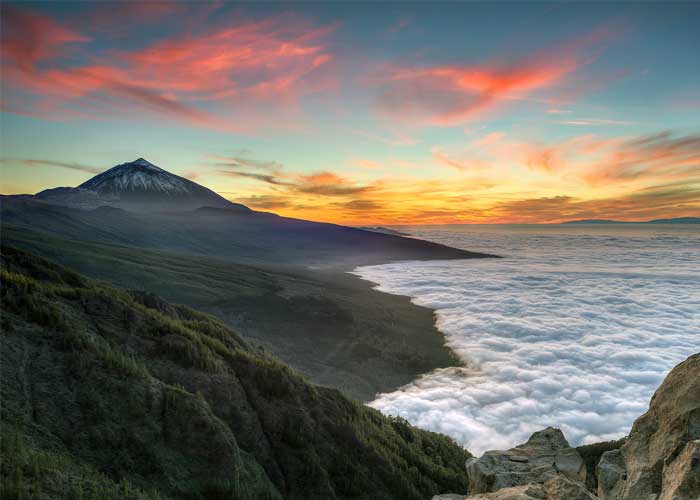

Rising majestically from the heart of Tenerife, the largest of Spain’s Canary Islands, Teide is a volcanic titan whose influence spans both history and landscape. This colossal volcano, reaching 3,718 meters (12,198 feet) into the sky, is not only the highest point in Spain but also a natural monument that has shaped the island’s identity through the ages.
Teide's origins stretch back to the birth of the Canary Islands, formed by volcanic activity millions of years ago. The indigenous Guanches, the original inhabitants of Tenerife, revered Teide as a sacred mountain, believing it was the home of Guayota, a demon who captured the sun, only to be thwarted by the god Achamán. The volcano's dramatic eruptions have been meticulously recorded since the 15th century, with the most recent eruption occurring in 1909. These historical eruptions have played a crucial role in shaping the island’s topography and fertile soils, supporting a diverse array of flora and fauna.
Architecturally, while Teide itself is a natural wonder rather than a man-made structure, its surroundings reflect the island's blend of cultural influences. The nearby Teide Observatory, located at an altitude of 2,390 meters, is one of the world's premier astronomical observatories, benefiting from the clear, dark skies above Tenerife. It’s a testament to how modern science and ancient landscapes can coexist, offering a striking juxtaposition against the rugged volcanic terrain.
Culturally, Tenerife is vibrant and diverse, with Teide at its heart. Locals celebrate the annual Romería de San Roque, a pilgrimage that sees participants ascend the slopes of Teide in traditional attire, paying homage to their ancestral roots. The Fiestas de la Candelaria, another important event, honors the island's patron saint with colorful parades and traditional music, illustrating the island's rich tapestry of customs and beliefs.
Gastronomically, Tenerife offers a feast for the senses, with dishes that reflect its volcanic origins. The island is renowned for its papas arrugadas, small potatoes boiled in heavily salted water and served with a spicy mojo sauce. The volcanic soil imparts a unique flavor to local wines, particularly the white Malvasía, which has been celebrated since the 17th century. Pairing these wines with almogrote, a cheese spread made from cured goat cheese, peppers, and olive oil, provides a quintessential taste of Tenerife.
Beyond the well-trodden paths lie Teide’s lesser-known marvels. The Los Roques de García, rock formations sculpted by millennia of erosion, offer a surreal landscape often overshadowed by the volcano itself. The mysterious Pico Viejo, an older but equally fascinating crater, invites those willing to explore beyond the main trail. Teide's unique geomorphology has even earned it the distinction of being a UNESCO World Heritage Site, recognized for its exceptional natural beauty and geological significance.
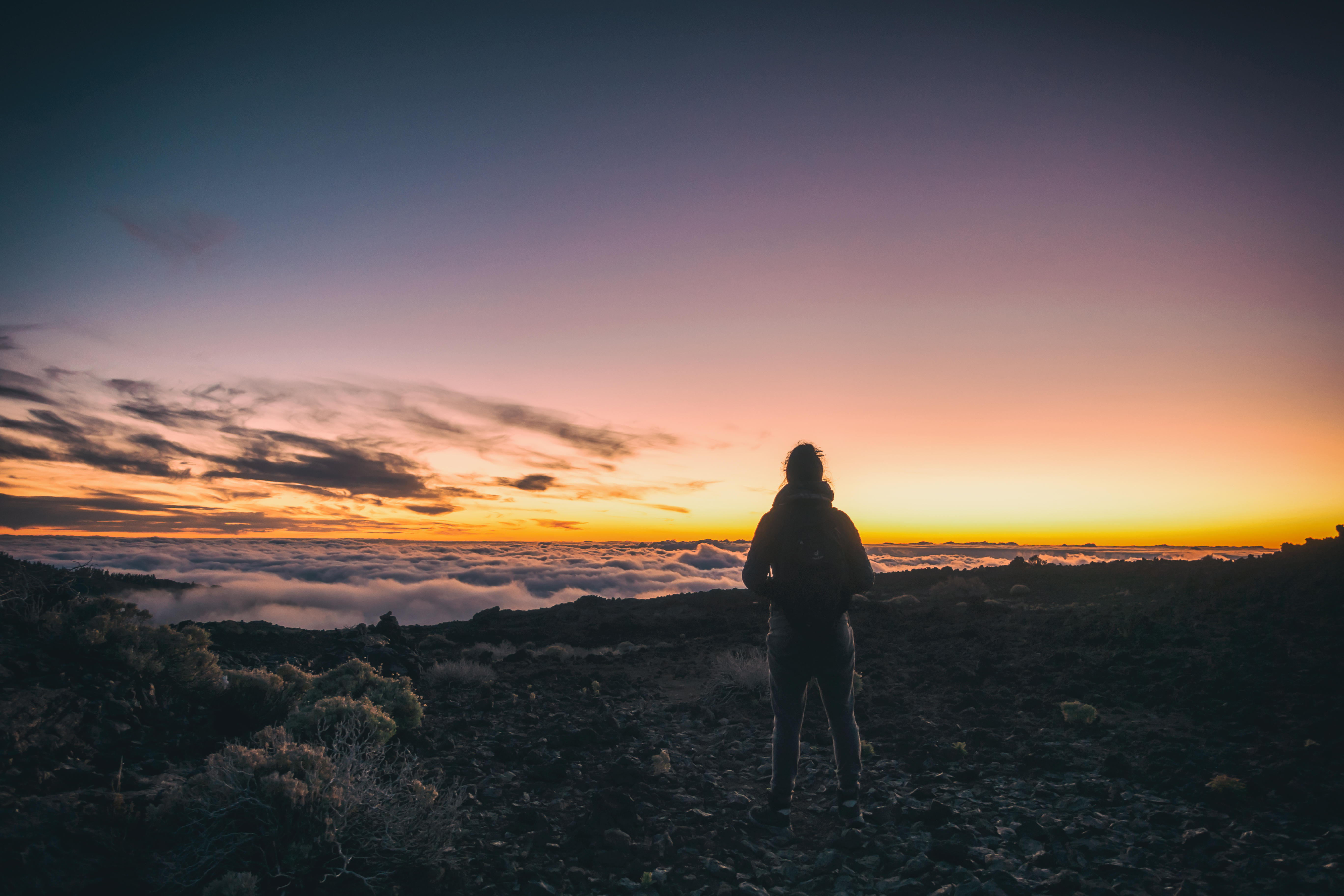
For those planning a visit, the best time to explore Teide is during the spring or autumn months when the weather is mild, and the crowds are fewer. Adventurers should aim for an early morning ascent to catch the sunrise from the summit, a breathtaking spectacle where the shadow of the volcano stretches across the island and out to sea. Remember to dress in layers; while Tenerife is renowned for its warm climate, temperatures at the peak can be surprisingly chilly.
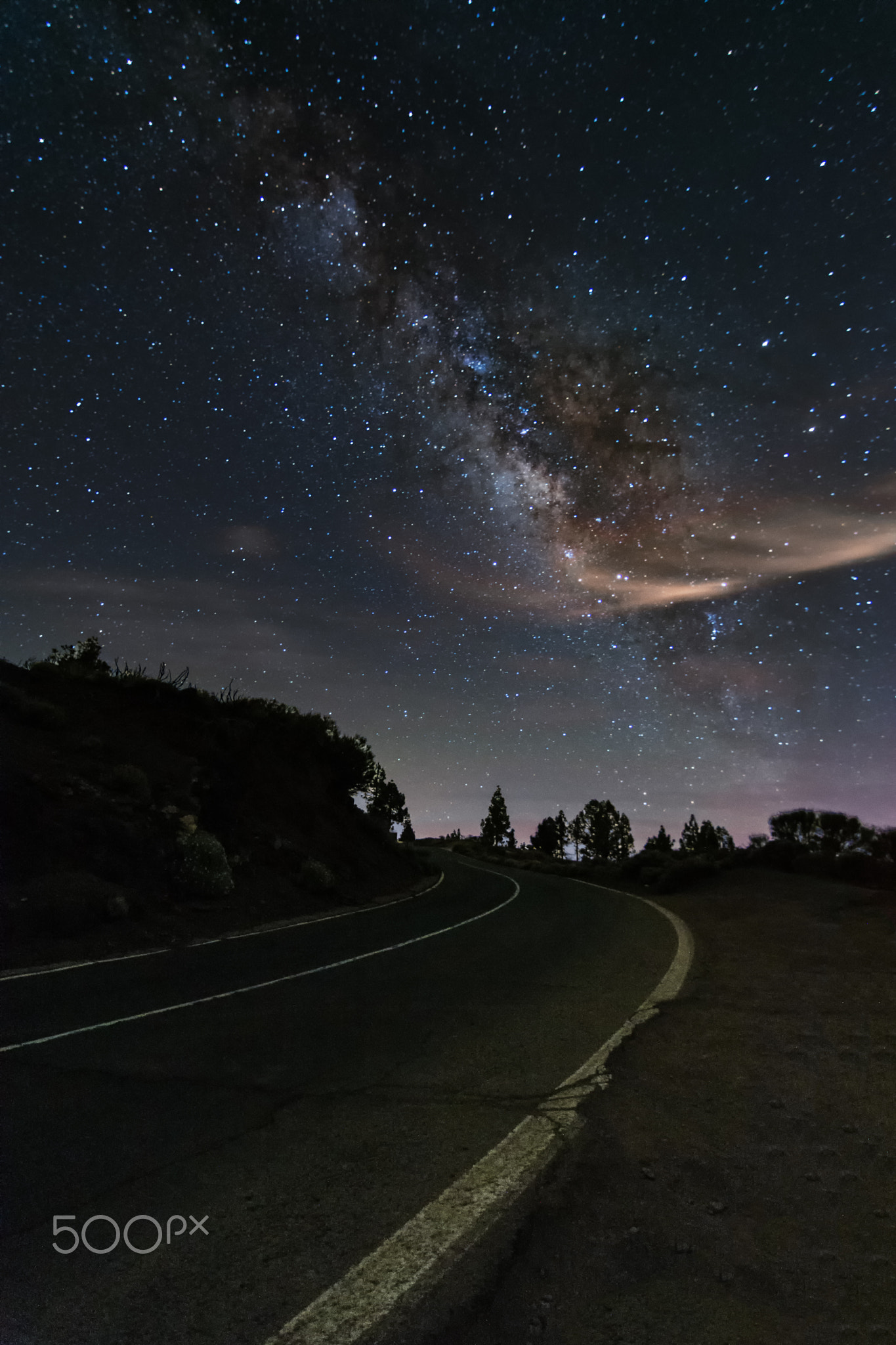
Navigating the Teide National Park requires preparation. With well-marked trails, sturdy footwear is essential, and it’s advisable to carry water and snacks. For an unforgettable experience, visitors can take the cable car up to 3,555 meters and then hike the final stretch to the summit with a special permit, available from the national park’s website. Additionally, staying overnight at the Refugio de Altavista allows for a more immersive experience, giving visitors the chance to stargaze in one of the world’s best astronomical sites.
In essence, Teide is not just a volcano; it’s a living, breathing symbol of Tenerife's soul. Its history, culture, and natural beauty offer a profound connection to both the past and the present, inviting travelers to explore its peaks and valleys, and to discover the stories etched into its ancient lava flows.


