
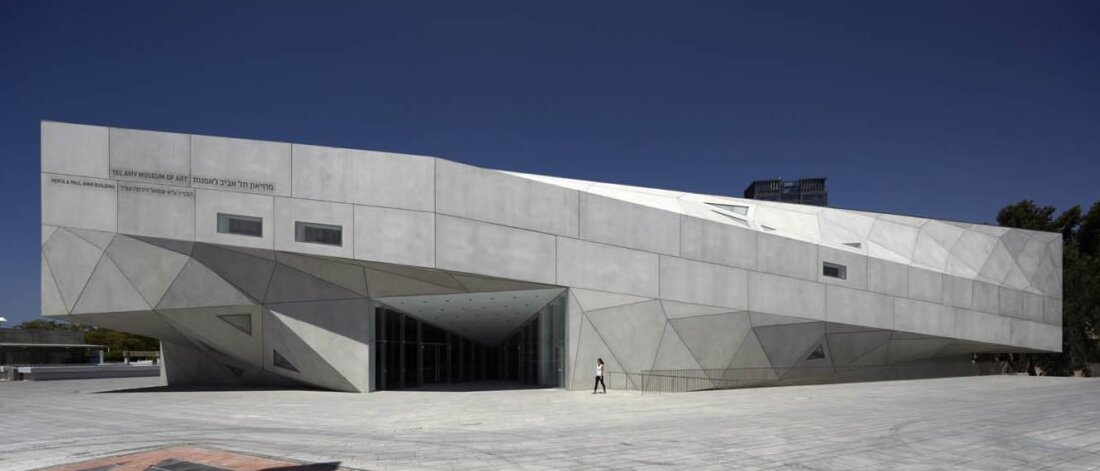

In the heart of Tel Aviv, a city known for its vibrant energy and rich tapestry of cultures, the Tel Aviv Museum of Art stands as a beacon of creativity and history. Established in 1932, the museum was initially housed in the former residence of the city’s first mayor, Meir Dizengoff. This historic building was a hub of artistic ambition, and even then, it laid the groundwork for what would become one of the foremost art institutions in Israel.
The museum's journey has been marked by significant milestones. In 1959, it expanded with the opening of the Helena Rubinstein Pavilion for Contemporary Art, showcasing a commitment to both modern and contemporary works. The museum moved to its current location on King Saul Avenue in 1971, where it began to take shape into the architectural marvel it is today. The Lola Beer Ebner Sculpture Garden, inaugurated later in 1999, adds a lush outdoor space for reflection and appreciation of art. The educational component was solidified with the establishment of The Joseph and Rebecca Meyerhoff Art Education Center in 1988, emphasizing the museum’s dedication to art education.
Architecturally, the museum is a striking blend of modern aesthetics and functionality. Designed by Preston Scott Cohen, the modern ‘envelope’ building is celebrated for its innovative use of space and light. Visitors are immediately drawn to the building's sleek lines and dramatic angles, reflecting the dynamic spirit of the city. Within, the museum houses an extensive collection that spans centuries and styles, but the highlight undoubtedly lies on the first floor. Here, masterpieces by Impressionist and post-Impressionist artists such as Monet, Van Gogh, and Picasso take center stage, offering a window into the evolution of art during pivotal moments in history. Each painting tells a story, inviting viewers to engage with the emotions and narratives woven into the canvas.
Beyond the art, the Tel Aviv Museum of Art is a cultural landmark that resonates with the city's traditions and celebrations. Tel Aviv thrives on its rich cultural calendar, hosting festivals that celebrate everything from film to street art. The museum often plays a pivotal role in these events, showcasing local talents and international exhibitions that invite collaboration and dialogue. Visitors might find themselves captivated by the annual Tel Aviv Museum of Art’s International Art Fair, which not only highlights established artists but also spotlights emerging talents, fostering a sense of community and cultural exchange.
When exploring Tel Aviv, one cannot overlook the culinary delights that accompany its artistic offerings. The city is a melting pot of flavors, and nearby eateries reflect its diverse population. Local favorites include hummus, shakshuka, and sabich, each dish telling a story of the region’s culinary heritage. Pairing these with a glass of Israeli wine or a refreshing Limonana, a mint lemonade, can enhance the overall experience. Many cafes near the museum serve up these traditional dishes, allowing visitors to immerse themselves in the local gastronomy before or after their artistic journey.
As you wander through the museum, keep an eye out for lesser-known curiosities that add depth to your visit. For instance, did you know that the Lola Beer Ebner Sculpture Garden features works by both Israeli and international sculptors? Hidden amidst the greenery are sculptures that provoke thought and invite interaction. Moreover, the museum's collection is not just confined to paintings; it includes a remarkable selection of photography and design, reflecting the evolving landscape of artistic expression.
If you're planning a visit, timing can significantly enhance your experience. The best time to explore the Tel Aviv Museum of Art is during the weekdays when it tends to be less crowded, allowing for a more intimate encounter with the art. Don’t miss the free admission days that occur periodically, providing an excellent opportunity to experience the museum without the price tag. Be sure to check their calendar for special exhibitions and public programs, as these can enrich your understanding of the art on display.
As you navigate through the museum’s halls, take a moment to appreciate how this institution encapsulates the vibrant spirit of Tel Aviv itself — a city that thrives on creativity, innovation, and cultural dialogue. The Tel Aviv Museum of Art is not just a place to view art; it’s a living, breathing hub of culture that reflects the heart of the city.
For a more tailored exploration of Tel Aviv, consider using the Secret World app to plan a personalized AI itinerary.


