
← Back

Temple de Mars

22130 Corseul, Francia ★★★★☆ 286 views
Malika Dell
Corseul
🏆 AI Trip Planner 2026

Get the free app

Discover the best of Corseul with Secret World — the AI trip planner with 1M+ destinations. Get personalized itineraries, hidden gems and local tips. Free on iOS & Android.

🧠 AI Itineraries 🎒 Trip Toolkit 🎮 KnowWhere Game 🎧 Audio Guides 📹 Videos
Scan to download iOS / Android
Scan for AppGallery Huawei users

About Temple de Mars

Temple de Mars - Corseul | Secret World Trip Planner

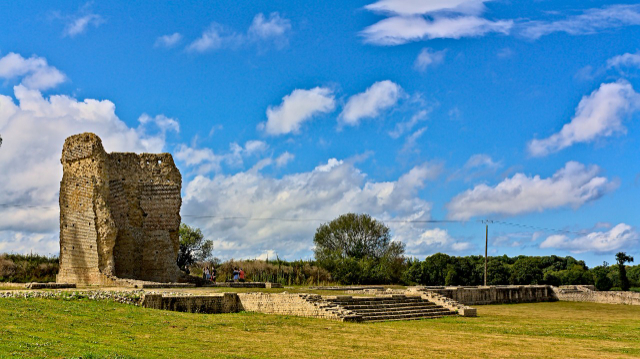
Corseul, located in the Brittany region of France, is home to the Temple de Mars, an ancient Roman temple dedicated to the god of war. While today it stands in ruins, exploring the site offers a fascinating journey into the past.
Temple de Mars - Corseul | Secret World Trip Planner

The Temple de Mars was constructed during the Roman era, specifically in the 1st century AD when Corseul, known as Coriosolitae in Roman times, was an important Gallo-Roman city. It was part of the extensive network of temples dedicated to Mars, the Roman god associated with war and agriculture.

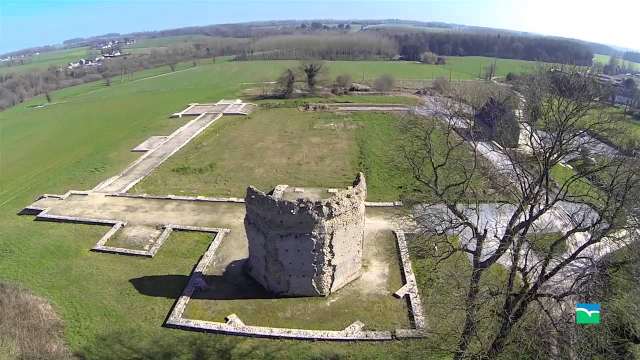
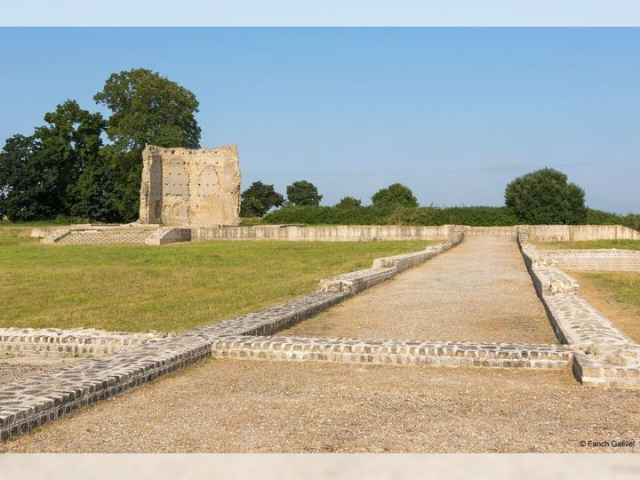
As you wander through the ruins, you can imagine the grandeur that once characterized this ancient temple. The remains showcase the architectural style of the time, providing insights into the skill and craftsmanship of the Roman builders. While the temple's original layout is not entirely clear, some foundations and elements of the structure are still visible, giving visitors a sense of its scale and design.
Temple de Mars - Corseul | Secret World Trip Planner

Exploring the Temple de Mars allows you to immerse yourself in the historical context of the site. You can envision the rituals and ceremonies that took place within its walls, as well as the importance of religion and the role of Mars in Roman society. Information boards or local guides often provide further details about the temple and its significance.

In addition to the Temple de Mars, Corseul offers other archaeological attractions, including the Gallo-Roman theater and the Museum of Coriosolites, which houses artifacts discovered in the area. Together, these sites provide a glimpse into the rich Gallo-Roman heritage of the region.

Visiting the Temple de Mars in Corseul offers a unique opportunity to connect with the ancient world and appreciate the architectural achievements of the Romans. It is a place where history comes to life, allowing visitors to reflect on the cultural and religious practices of the past while exploring the atmospheric ruins of this once-magnificent temple dedicated to the god of war.

🗺 AI Trip Planner 2026

Plan your visit to Corseul

Suggested itinerary near Temple de Mars

MAJ+
500.000+ travelers worldwide
  1. 🌅
    Morning
    Temple de Mars
    📍 Corseul
  2. ☀️
    Afternoon
    The Quelmer Boat Graveyard
    📍 18.2 km · Corseul

Buy Unique Travel Experiences

Powered by Viator

See more on Viator.com

Explore nearby · Corseul

Frequently Asked Questions

The Temple de Mars was constructed in the 1st century AD during the Roman era, when Corseul (known as Coriosolitae) was an important Gallo-Roman city. It was part of an extensive network of temples dedicated to Mars, the Roman god associated with both war and agriculture, reflecting the deity's significance in Roman society.
While the temple stands in ruins, visitors can see some foundations and structural elements that provide a sense of the building's original scale and design. The remaining architectural features showcase the skill and craftsmanship of Roman builders, and information boards or local guides are typically available to help interpret what you're viewing.
In addition to the Temple de Mars, Corseul features the Gallo-Roman theater and the Museum of Coriosolites, which houses artifacts discovered throughout the area. Together, these archaeological sites provide a comprehensive glimpse into the rich Gallo-Roman heritage of the region.
Yes, the Temple de Mars offers a unique opportunity to immerse yourself in the historical context of Roman Brittany and envision the rituals and ceremonies that once took place there. The atmospheric ruins allow visitors to connect with the ancient world and appreciate both the architectural achievements of the Romans and the cultural and religious practices of the past.
While the temple's original layout is not entirely clear due to its ruined state, some foundations and structural elements are still visible to give visitors a tangible sense of its design and scale. The remaining ruins provide enough evidence of Roman engineering and religious architecture to make the site historically meaningful for exploration.
