
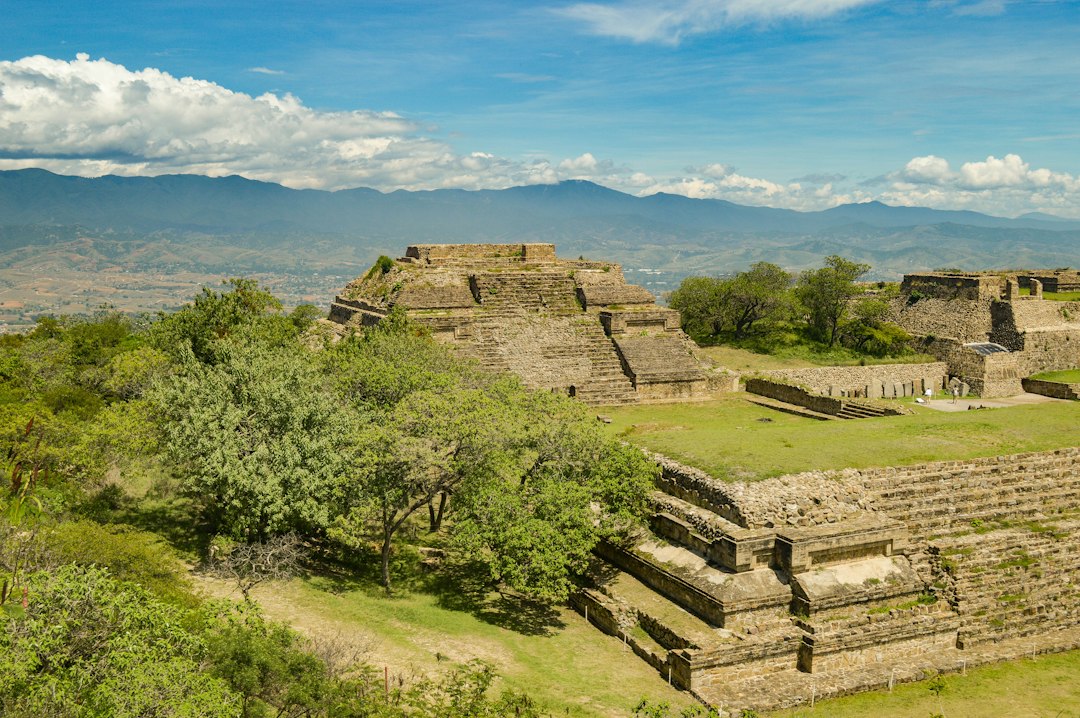

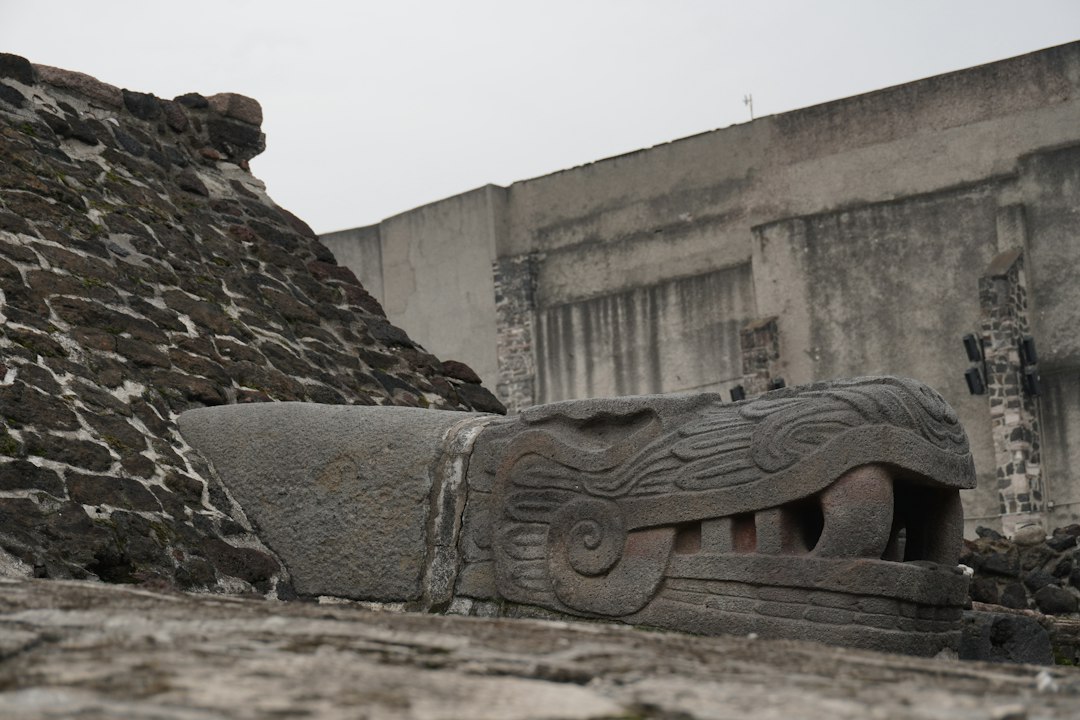
Hundreds of feathered serpent heads emerge from the stone as if they are about to come to life. This is the first impression one receives in front of the facade of the Temple of Quetzalcoatl, the most richly decorated structure of the entire pre-Columbian city of Teotihuacan, about 50 kilometers northeast of Mexico City. Built around 200-250 AD, this ceremonial building represents one of the peaks of Mesoamerican sculptural art, with a level of detail that still leaves scholars of ancient architecture speechless today.
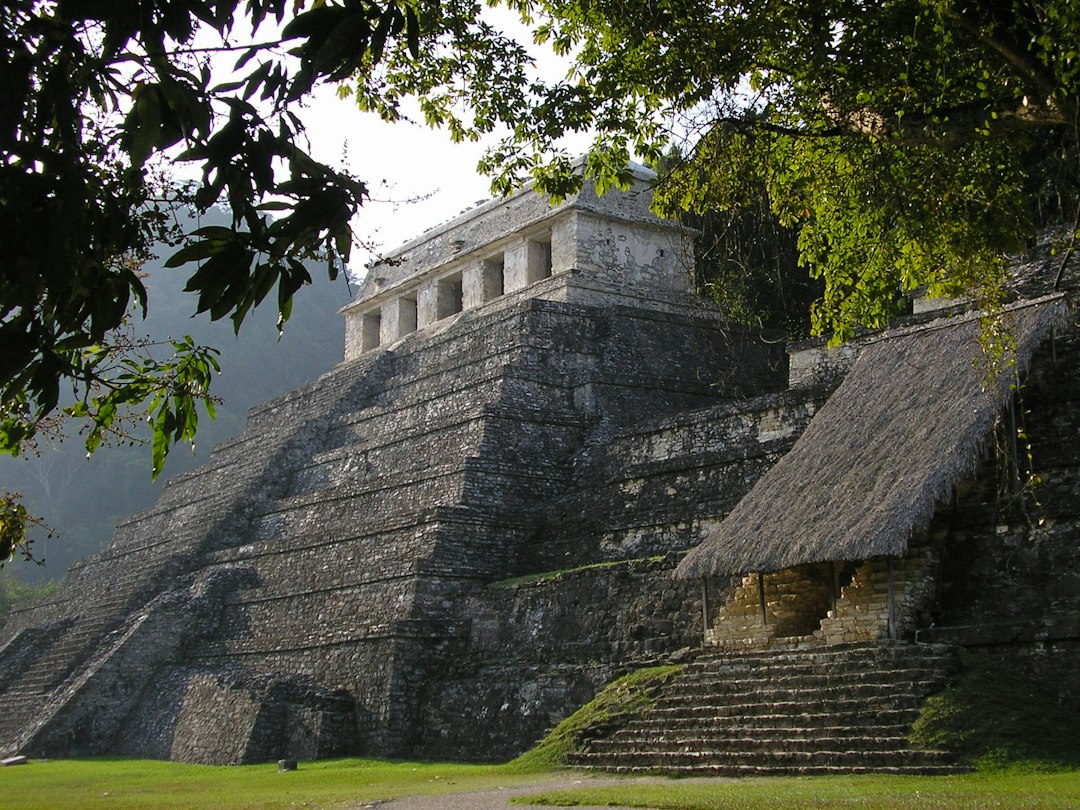
Yet, while the Pyramid of the Sun and the Pyramid of the Moon attract over two million visitors each year, the Temple of Quetzalcoatl — located in the Citadel, a large walled complex in the southern sector of the site — remains relatively quiet. Those who venture to this corner of the site often find themselves almost alone in front of one of the most extraordinary sculpted surfaces on the American continent, with the time and tranquility needed to observe every single detail of the stone.
An architecture that tells a cosmology
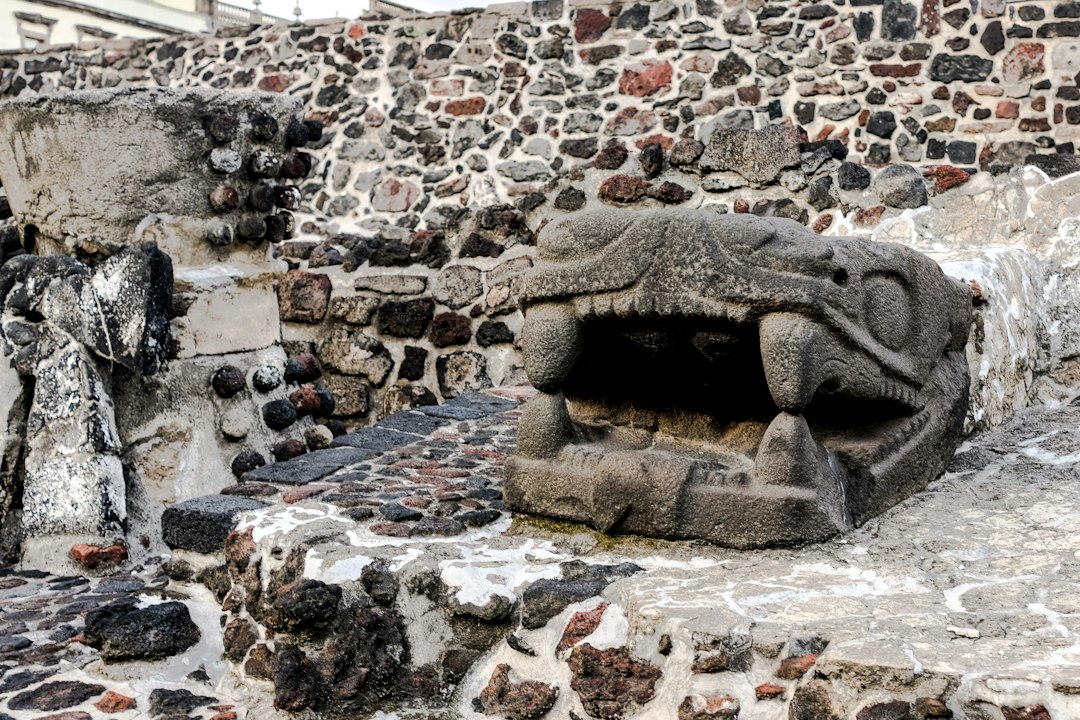
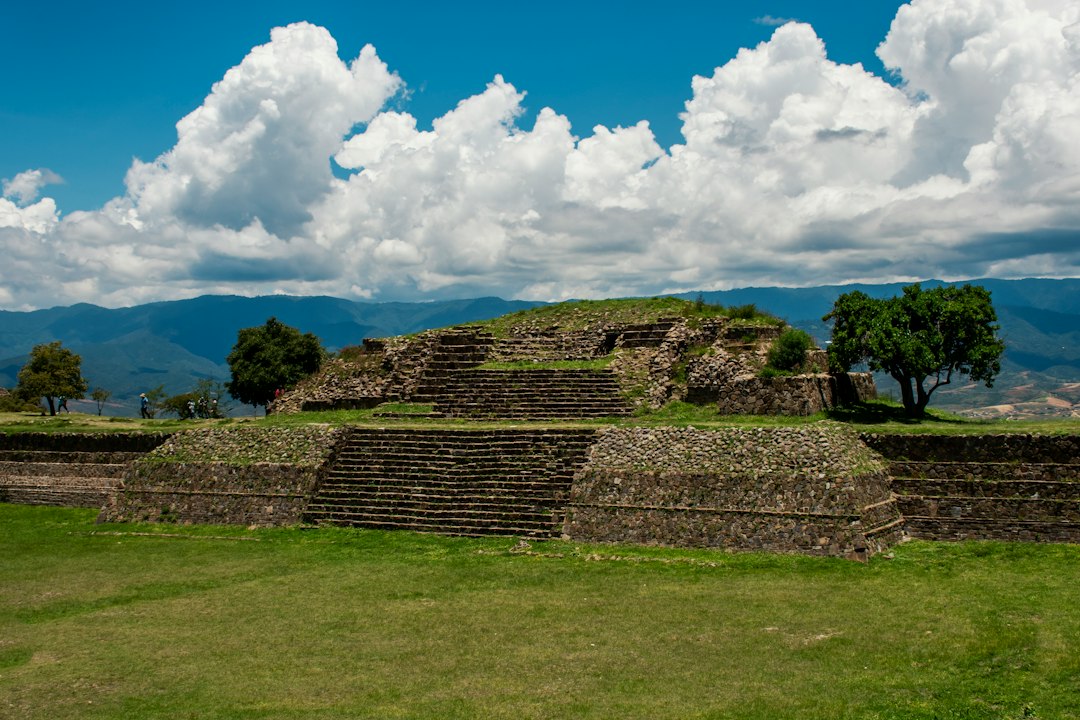
The pyramid is built according to the talud-tablero system, a distinctive architectural technique of Teotihuacan that alternates vertical panels with sloping surfaces. What makes this structure unique is the sculptural decoration that covers the tableros of the original facade, now partially visible on the west side, protected by a more recent pyramid that encompasses it. The alternating heads of Quetzalcóatl — the feathered serpent — and another deity, probably associated with rain or fire, protrude from the stone with a plastic quality that surprises with its modernity.
The scales of the serpent are rendered with an almost obsessive precision, and the undulating bodies of the animals wind along the horizontal friezes in a rhythm that seems almost musical. Researchers have estimated that the original facade contained over 200 sculpted heads, arranged in overlapping rows along the entire height of the structure. Observing the individual heads up close — some still with traces of original pigment — allows one to grasp how sophisticated the technical mastery of the artisans of Teotihuacan was.
The Citadel: the urban context of the temple
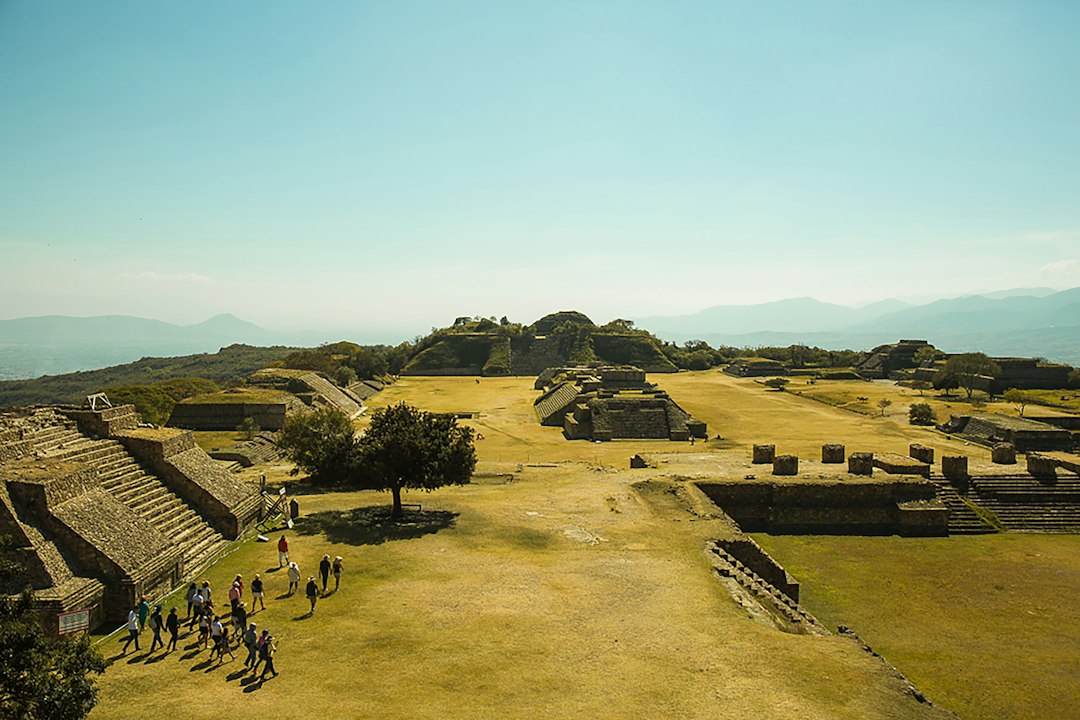
The Temple of Quetzalcoatl was not an isolated building. It was the ceremonial center of the Citadel, a rectangular enclosure of about 400 meters on each side, bordered by platforms on which residential and ritual structures stood. It is estimated that this complex could host large population assemblies, perhaps related to seasonal or political ceremonies. The central axis of the Citadel aligns with the Avenue of the Dead, the great avenue that runs through Teotihuacan from north to south, confirming that this space was integrated into the overall urban design of the city.
Excavations conducted since the 1980s have uncovered ritual burials around the pyramid, with human remains showing signs of sacrifice. These findings have contributed to interpreting the construction of the temple not only as an architectural act but as a cosmological event that required extraordinary offerings. Walking around the base of the structure, knowing what lies beneath your feet, adds a dimension of historical weight that is hard to ignore.
How to visit the temple in the best way
The site of Teotihuacan is open every day from 9:00 AM to 5:00 PM, and the entrance ticket includes access to the entire archaeological area, including the Citadel. The ticket price is approximately around 90 Mexican pesos for foreign visitors, but it is advisable to check the updated rates before the visit as they may vary.
The most important practical advice is this: start the visit from the Citadel, not from the main pyramids. Most tourists enter from the north entrance or the main entrance and head straight to the Pyramid of the Sun, leaving the Templo de Quetzalcóatl for the afternoon, when the energy has decreased and time is tight. Arriving at the Citadel in the early morning hours, when the slanting light enhances the carved reliefs and the groups of visitors are still few, provides the opportunity to observe the facade in ideal conditions both photographically and emotionally. Bringing enough water is essential: the altitude of about 2,300 meters above sea level and the Mexican sun are felt quickly.
An inheritance still to be fully understood
Teotihuacan remains one of the least understood pre-Columbian civilizations. We do not know for certain what language its inhabitants spoke, nor do we know the name they themselves gave to their city — the current name is of Nahuatl origin and was attributed by the peoples who found the site already abandoned. The Templo de Quetzalcóatl carries this same ambiguity: we know what it looks like, we know approximately when it was built, but the precise motivations, the rituals that took place there, and the stories that those stone heads intended to tell remain partly shrouded in mystery.
It is precisely this combination of powerful visual presence and historical silence that makes a visit to the temple an experience that goes beyond mere cultural tourism. The carved stone says everything and says nothing, and this — paradoxically — is its most enduring charm.


