
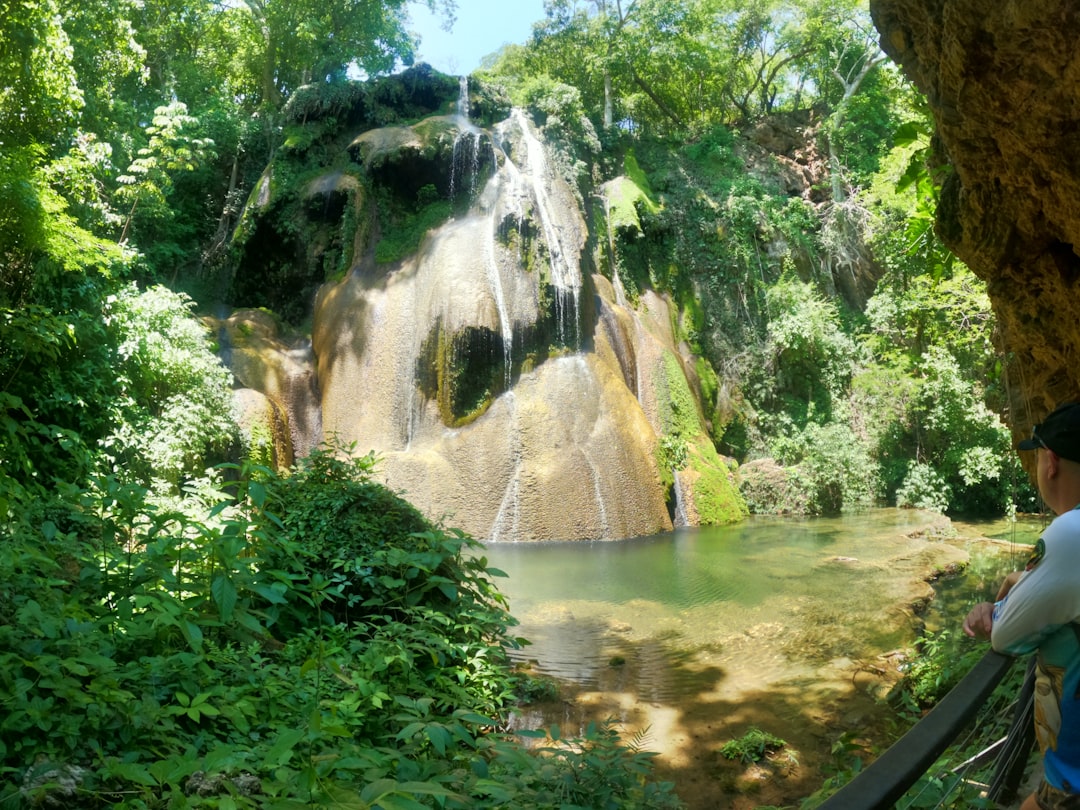

The water reaches your knees, the headlamp illuminates stalactites hanging like stone chandeliers and the ceiling of the cave disappears into darkness dozens of meters above your head. Gua Tempurung, in the Gopeng region of the state of Perak, Malaysia, is one of the most extensive natural caves in the entire Malay Peninsula: over three kilometers of explorable galleries, five large dome-shaped chambers, and an underground river that flows alive through the limestone.

This is not a postcard cave with illuminated walkways and background music. Gua Tempurung is real rock, real mud, authentic darkness. Those who arrive here seeking a controlled and dry experience will find something completely different — and, in most cases, much more memorable.
The structure of the cave: five chambers and a river

The cave opens in the limestone hill with a wide and scenic mouth, immediately impressive for its size. Inside, the path unfolds through five main dome-shaped chambers, each with its own personality: some are tall and silent, with stalagmite formations growing from the floor like columns of a forgotten cathedral; others are narrower, crossed by the constant sound of flowing water.
The underground river is the element that makes Gua Tempurung unique among the visitable caves in the region. During the advanced routes — locally called adventure trails — visitors literally wade through the watercourse, sometimes up to their waists, following the current through narrow passages in the rock. The calcite formations on the walls, shaped by millennia of mineral deposits, create surfaces that look hand-painted.

The available paths: from easy to adventurous
Gua Tempurung offers different levels of exploration, suitable for visitors with very different needs. The shortest path, suitable for families and visitors with reduced mobility, follows a partially lit walkway that crosses the first chambers without requiring special equipment. It lasts about 30-40 minutes and still allows you to see some of the most spectacular formations of the cave.
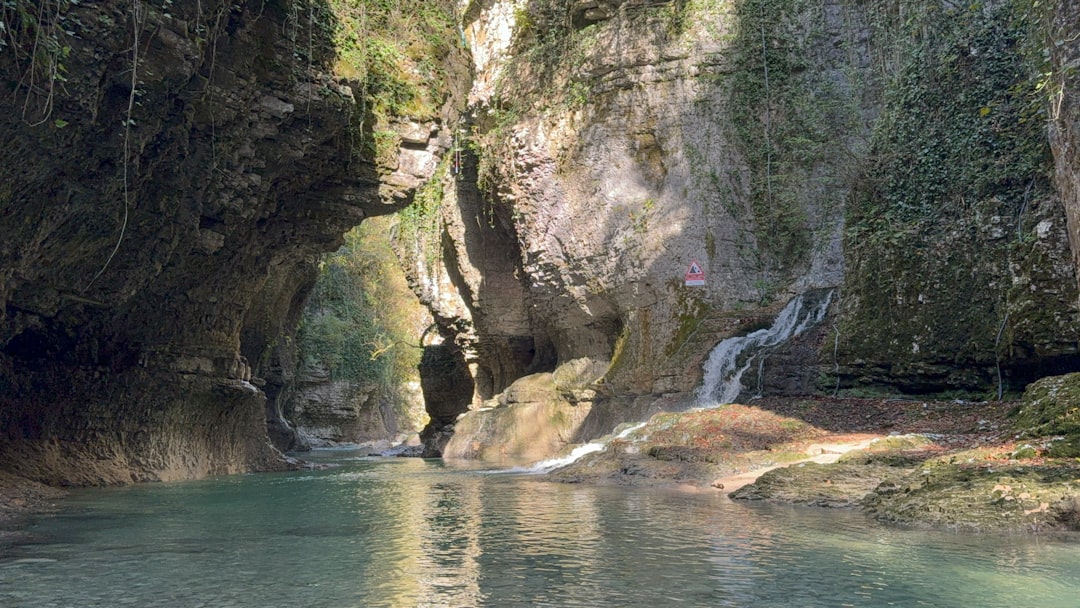
The advanced paths, on the other hand, require clothing that can get wet, shoes with good grip, and a reliable flashlight. The complete trail — which includes the ascent of the underground river — can last three to four hours and requires good physical condition. Local guides accompany groups along these paths, and their presence is recommended, especially for those without caving experience. Entrance to the cave requires a ticket, the cost of which varies depending on the chosen path, with rates generally ranging from a few ringgit for the basic path to higher amounts for the adventurous trails.
How to get there and when to visit

Gopeng is located along the North-South Expressway, the main highway connecting Kuala Lumpur to Ipoh. By car, the city can be reached in about two hours from the Malaysian capital. Gua Tempurung is located a few kilometers from the center of Gopeng, marked along the road. Those traveling by train can get off at Ipoh — the nearest city with a train station — and continue by taxi or with a rental vehicle.
The best time to visit the cave is early in the morning, preferably on weekdays. During weekends and holidays, the cave can become crowded, especially on the shorter routes. It is important to check the weather conditions in advance: after heavy rains, the level of the underground river can rise significantly and some advanced routes may be temporarily closed for safety reasons. Bringing spare clothes and a waterproof bag to protect your phone and documents is a simple but essential precaution.
What to Really Expect
Tempurung Cave is not a destination to be rushed through between stops on a Malaysian itinerary. It requires time, a willingness to get dirty, and a certain tolerance for humidity and darkness. In return, it offers something that few publicly accessible caves can provide: the tangible feeling of being inside the earth, not above it.
The geological formations — stalactites, stalagmites, columns, and curtains of calcite — are visible to the naked eye without the need for elaborate explanations. The limestone has taken hundreds of thousands of years to assume the shapes seen today, and this awareness, while walking in the darkness with water around your ankles, makes the experience hard to forget.


