



Tex-Mex cuisine is a vibrant tapestry of flavors and traditions, woven from the rich cultural heritage of Texas and Mexico. This culinary style, beloved by many, is more than just a fusion of American and Mexican cuisines; it is a testament to the historic interactions and shared experiences of these regions. From humble beginnings to becoming a staple in the global food scene, Tex-Mex is a flavorful narrative of cultural convergence.
The history and origins of Tex-Mex trace back to the 16th century when Spanish settlers introduced European culinary techniques to the Indigenous peoples of what is now modern-day Mexico and the southern United States. Over time, as borders shifted and populations mingled, a unique culinary tradition emerged. By the 1800s, Tejanos—Texans of Mexican descent—had developed a distinctive style of cooking that combined Mexican staples like corn, beans, and chili peppers with European influences available in Texas, such as beef and wheat flour. This culinary style was further popularized in the early 20th century when Mexican immigrants brought their recipes to the burgeoning Texan cities, resulting in a delicious dialogue between the two cultures.
In terms of art and architecture, the influence of both Mexican and Texan styles is evident. The architecture often reflects a blend of Spanish Colonial and Mission styles, characterized by adobe walls, arched doorways, and red-tiled roofs. Notable examples include the San Antonio Missions, a UNESCO World Heritage site, which stand as a testament to the enduring cultural exchange. Artistic expression in Tex-Mex culture can be seen in vibrant murals that adorn urban spaces, celebrating the shared history and dynamic cultural identity of the region. These artworks often depict scenes of daily life, historical figures, and symbols important to both Texan and Mexican heritage.
Local culture and traditions are rich and varied, embodying the dual influences that define the Tex-Mex experience. Festivals like Fiesta San Antonio, held each April, celebrate this cultural blend with parades, music, and traditional foods. The Charreada, a Mexican rodeo, showcases the skill and pageantry of equestrian traditions and is a popular event throughout Texas. These gatherings are not just about celebration; they are a way for communities to honor their shared history and maintain cultural ties.
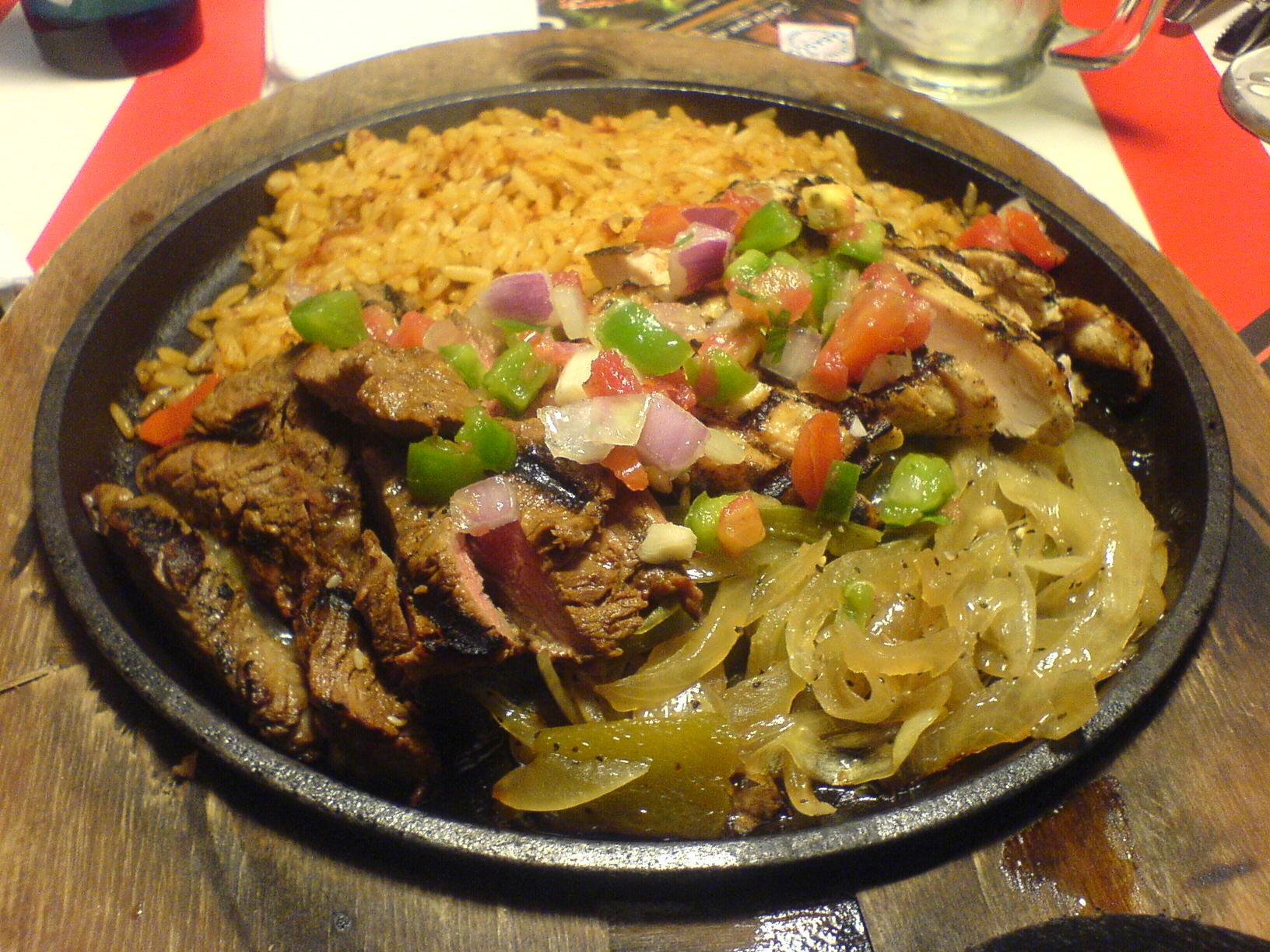
When it comes to gastronomy, Tex-Mex offers a delightful array of flavors that are both comforting and exciting. Iconic dishes include chili con carne, a spicy stew of beef and chili peppers; enchiladas, tortillas rolled around savory fillings and topped with chili sauce; and fajitas, grilled meats served with peppers and onions. Queso, a melted cheese dip often spiced with jalapeños, is a Tex-Mex staple, perfect for sharing. Margaritas, with their refreshing blend of tequila, lime, and orange liqueur, are the quintessential beverage pairing, providing a festive complement to any meal.
Tex-Mex is also full of lesser-known curiosities. For instance, the term "Tex-Mex" itself was originally used to describe the Texas Mexican Railway in the late 19th century. It wasn't until the 1940s that it became associated with food. Another interesting tidbit is the influence of German immigrants in Texas, who introduced ingredients like cumin and garlic, now essential to Tex-Mex cuisine. Moreover, many Tex-Mex dishes, such as nachos, were born out of necessity and creativity, using simple ingredients to create something delicious.
For those planning to dive into the Tex-Mex experience, practical visitor information is key. The best time to visit Texas for a Tex-Mex culinary adventure is during the spring or fall when the weather is mild, making it ideal for enjoying outdoor festivals and dining al fresco. Visitors should explore local markets and smaller eateries, known as "taquerias," for authentic flavors. In cities like San Antonio and Austin, food tours can provide deeper insights into the history and craft of Tex-Mex cooking. Always keep an eye out for the "blue plate specials"—a nod to the traditional, budget-friendly meals that many local diners offer.
Tex-Mex is more than just a type of food; it's a cultural phenomenon that tells the story of a region. It's a delicious intersection of histories, peoples, and flavors, waiting to be savored by those who seek to understand its depths.
