
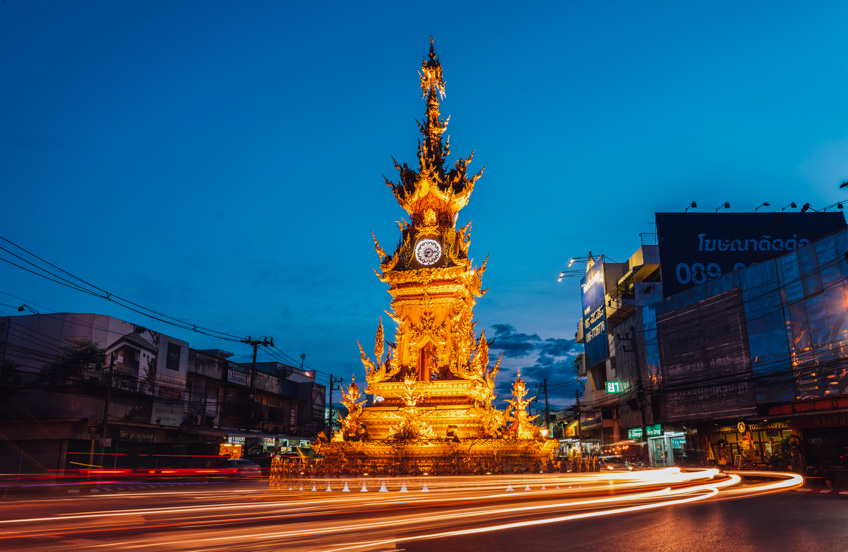

In the heart of Chiang Rai, the Chiang Rai Clock Tower stands as a mesmerizing beacon of culture and artistry. This striking golden structure is not merely a timekeeping device; it is a celebration of the unique blend of history, artistry, and spirituality that defines this northern Thai city.
History and Origins
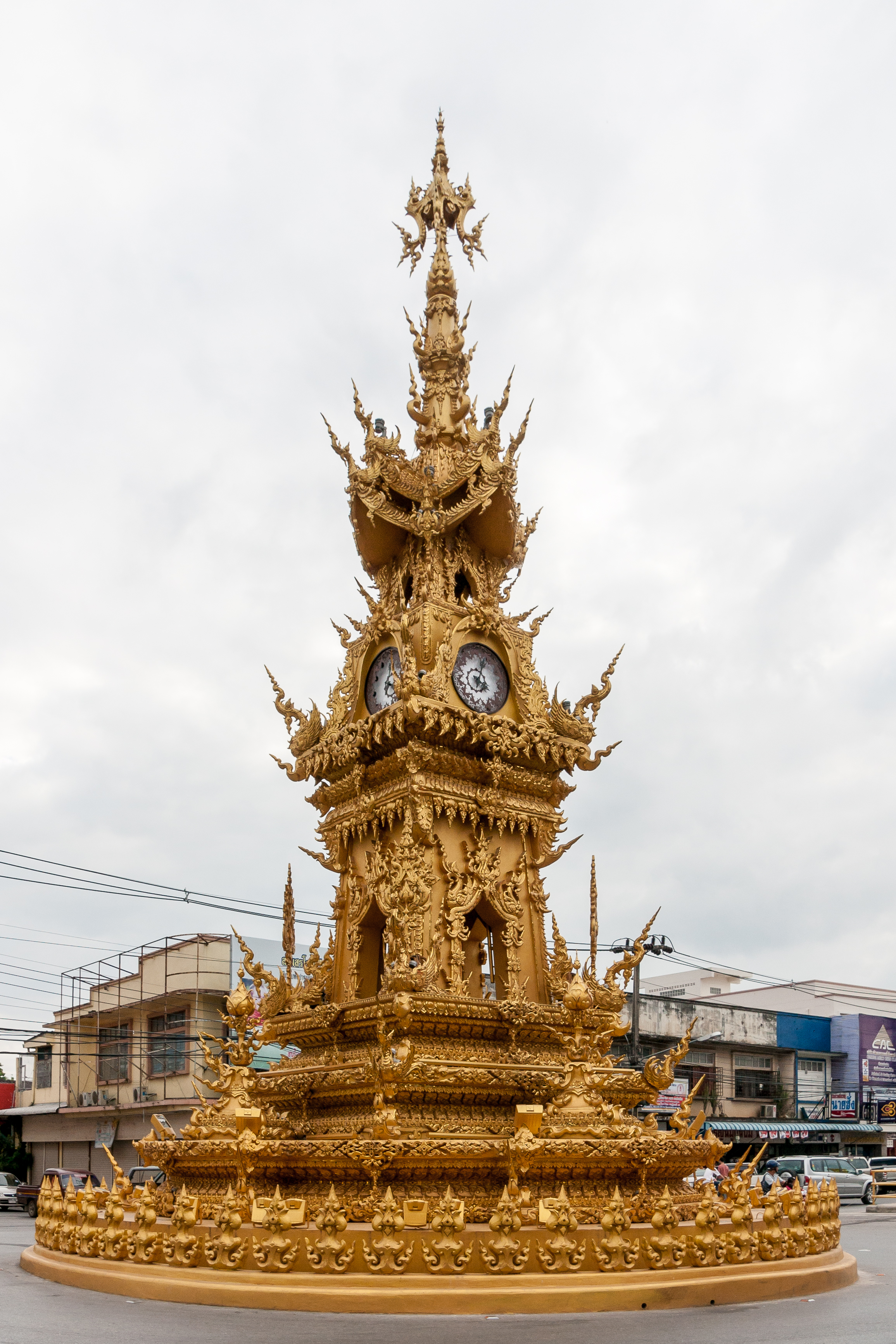
The clock tower was inaugurated in 2008 as a gift to the city from the late King Bhumibol Adulyadej. It serves as a tribute to the importance of time in Thai culture and symbolizes the prosperity of Chiang Rai. The city's history dates back centuries, with roots entwined in the Lanna Kingdom, which flourished in the region from the 13th century onward. Chiang Rai itself was founded in 1262 by King Mengrai, the same monarch who established the larger city of Chiang Mai. Over the years, Chiang Rai has witnessed significant events, including the influence of Burmese and Chinese cultures, which have left an indelible mark on its identity.
Art and Architecture
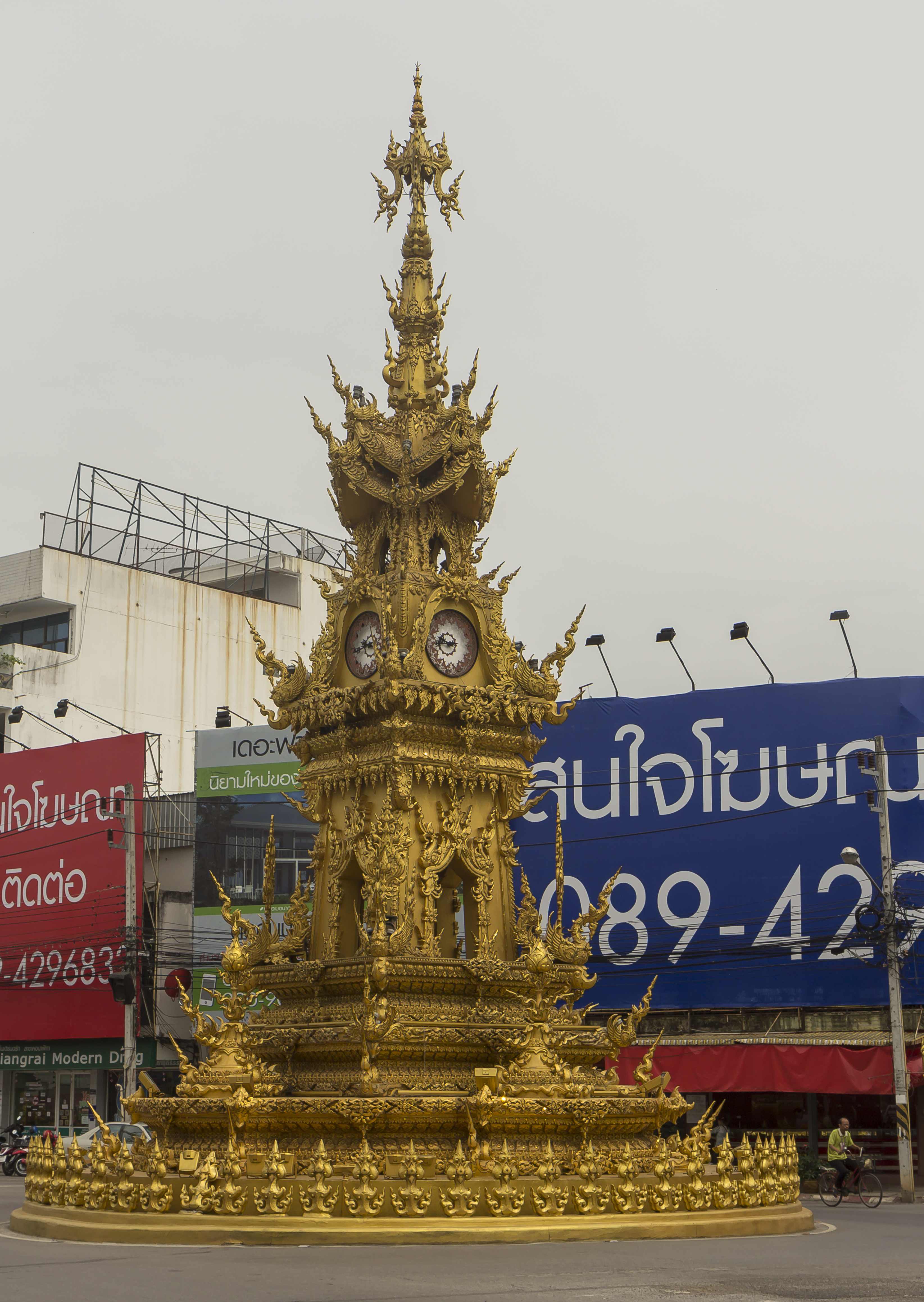
Designed by the renowned Thai artist Chalermchai Kositpipat, the Chiang Rai Clock Tower is an architectural marvel that embodies the intricate style of Thai design. The tower is adorned with elaborate motifs of Buddhist symbolism, featuring swirling patterns and mythical creatures like the Naga. The golden facade shimmers under the sunlight, but it truly comes alive at night with a spectacular light show that captivates both locals and tourists alike. At 7, 8, and 9 PM, the clock tower transforms into a dazzling spectacle, showcasing vibrant colors and hypnotic movements that reflect the spiritual essence of the region.
Kositpipat is also the visionary behind the famous Wat Rong Khun, or the White Temple, further establishing him as a pivotal figure in contemporary Thai art. The integration of modern creativity with traditional Thai aesthetics in both the clock tower and the temple exemplifies a cultural renaissance in the region.
Local Culture and Traditions
The clock tower is centrally located in Chiang Rai, making it a focal point for local customs and celebrations. The city is known for its vibrant festivals, including the Songkran Festival, which marks the Thai New Year in April. During this time, locals engage in water fights, symbolizing the washing away of sins and bad luck. The area surrounding the clock tower becomes a bustling hub of activity, filled with laughter, music, and traditional performances.
Another significant event is the Chiang Rai International Balloon Fiesta, held annually in February. This colorful spectacle attracts balloonists from around the world and features live music, food stalls, and cultural exhibitions, creating a festive atmosphere that draws both tourists and locals.
Gastronomy
No visit to Chiang Rai would be complete without indulging in its culinary delights. The city is famous for its Khao Soi, a rich coconut curry noodle soup garnished with shallots, lime, and pickled mustard greens. Street vendors near the clock tower offer this delicious dish, allowing visitors to savor authentic flavors in a lively setting.
Another local specialty is Sai Oua, a Northern Thai herbal sausage that bursts with flavors of lemongrass, kaffir lime, and galangal. Pair it with sticky rice and a refreshing glass of Thai iced tea for a true taste of the region.
Lesser-Known Curiosities
Among the many stories surrounding the clock tower, one lesser-known fact is its role as a gathering place for local artists and musicians. The area around the clock tower often hosts impromptu performances and art displays, showcasing the vibrant creativity of Chiang Rai’s community. Visitors may stumble upon traditional dance performances or even local musicians playing traditional Thai instruments, offering an authentic glimpse into the region's cultural fabric.
Additionally, the intricate designs on the clock tower include small representations of the Chakra, a symbolic representation of the wheel of life in Buddhist philosophy. This detail, often overlooked by tourists, serves as a reminder of the spiritual significance embedded in the structure.
Practical Visitor Information
The best time to visit the Chiang Rai Clock Tower is during the cool season, from November to February, when the weather is pleasant, and outdoor activities are more enjoyable. Arriving just before sunset allows visitors to experience the transition from day to night, culminating in the stunning light show.
When visiting, take the opportunity to wander through the surrounding streets, where local markets and eateries abound. Engaging with the vendors can provide insights into local traditions and perhaps a chance to learn how to prepare some of the region’s culinary staples.
To enhance your visit, consider downloading the Secret World app, which can help you create a personalized itinerary to explore the wonders of Chiang Rai.


