
← Back

Thar Desert

Thar Desert, Rajasthan ★★★★☆ 579 views
Donna Biel
Thar Desert
🏆 AI Trip Planner 2026

Get the free app

Discover the best of Thar Desert with Secret World — the AI trip planner with 1M+ destinations. Get personalized itineraries, hidden gems and local tips. Free on iOS & Android.

🧠 AI Itineraries 🎒 Trip Toolkit 🎮 KnowWhere Game 🎧 Audio Guides 📹 Videos
Scan to download iOS / Android
Scan for AppGallery Huawei users

About Thar Desert

Thar Desert - Thar Desert | Secret World Trip Planner

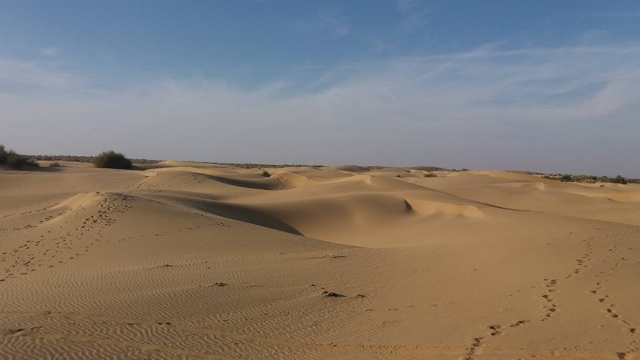
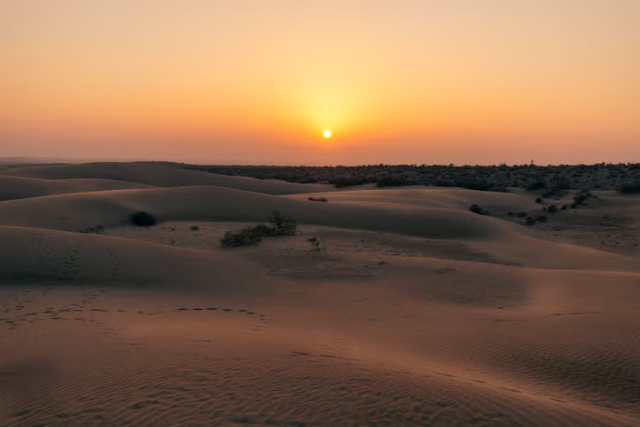
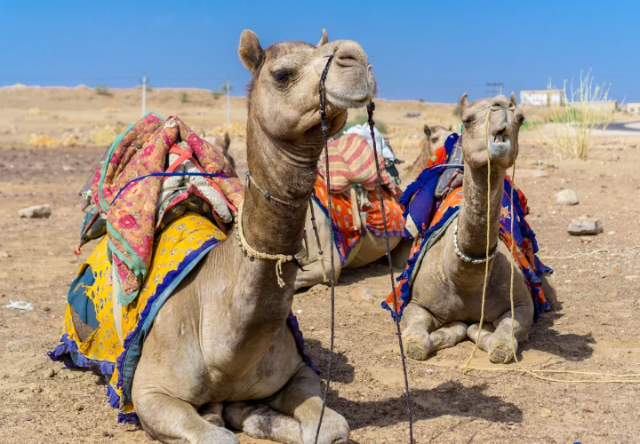
The Thar Desert is a vast desert located in the northwestern region of India and the eastern end of Pakistan. It is one of the largest deserts in Asia and covers an area of about 200,000 square kilometers.The Thar Desert is characterized by vast expanses of golden sand, undulating dunes, and rocky plateaus. It is an arid and sparsely populated region with extreme climatic conditions, with very high temperatures during summer and cold temperatures during winter. Rainfall is scarce and sporadic, and much of the desert is considered a semi-arid environment.Despite the adverse climatic conditions, the Thar Desert is inhabited by diverse communities of people, including nomadic tribes and farmers who have adapted to desert life. Major cities in the region include Jaisalmer, Bikaner, and Jodhpur, which are famous for their forts, palaces, and traditional haveli.The Thar Desert is also a popular tourist destination, with many tourists visiting the region to experience the wild beauty of the desert and participate in camel rides and safaris to explore the sand dunes. The region's rich and vibrant culture, with its folk music, traditional dances and local handicrafts, also attracts many visitors interested in learning about the tradition and lifestyle of the desert people.In addition, the Thar Desert also hosts cultural festivals such as the Pushkar Camel Fair and the Jaisalmer Desert Festival, which attract thousands of visitors from all over the world. The desert is truly a fascinating and evocative place, offering a unique and unforgettable experience for anyone who wants to explore its unique beauty and charm.
Thar Desert - Thar Desert | Secret World Trip Planner

Buy Unique Travel Experiences

Powered by Viator

See more on Viator.com

Frequently Asked Questions

The best time to visit the Thar Desert is during the cooler months when temperatures are more manageable, as the region experiences extreme heat during summer and cold during winter. While winters offer more comfortable conditions for exploring the desert, the specific months between October and March are ideal for camel safaris, dune exploration, and participating in festivals like the Jaisalmer Desert Festival.
The Thar Desert is one of Asia's largest deserts, covering approximately 200,000 square kilometers across the northwestern region of India and the eastern end of Pakistan. This vast arid landscape is characterized by golden sand dunes, undulating terrain, and rocky plateaus that stretch across this semi-arid environment.
The main cities in the Thar Desert region are Jaisalmer, Bikaner, and Jodhpur, all famous for their magnificent forts, palaces, and traditional havelies (traditional mansions) that showcase the area's rich architectural heritage. These cities serve as the primary bases for tourists exploring the desert and experiencing its cultural attractions.
The Thar Desert hosts world-renowned cultural festivals including the Pushkar Camel Fair and the Jaisalmer Desert Festival, which attract thousands of visitors from around the globe. These festivals celebrate the region's vibrant culture through folk music, traditional dances, and local handicrafts, offering an authentic glimpse into the desert lifestyle.
Visitors can enjoy camel rides and desert safaris to explore the magnificent sand dunes, while also experiencing the region's rich cultural heritage through folk performances and traditional handicrafts. The Thar Desert's diverse communities, including nomadic tribes and farmers, offer authentic insights into how people have adapted to and thrived in this harsh desert environment for generations.
