
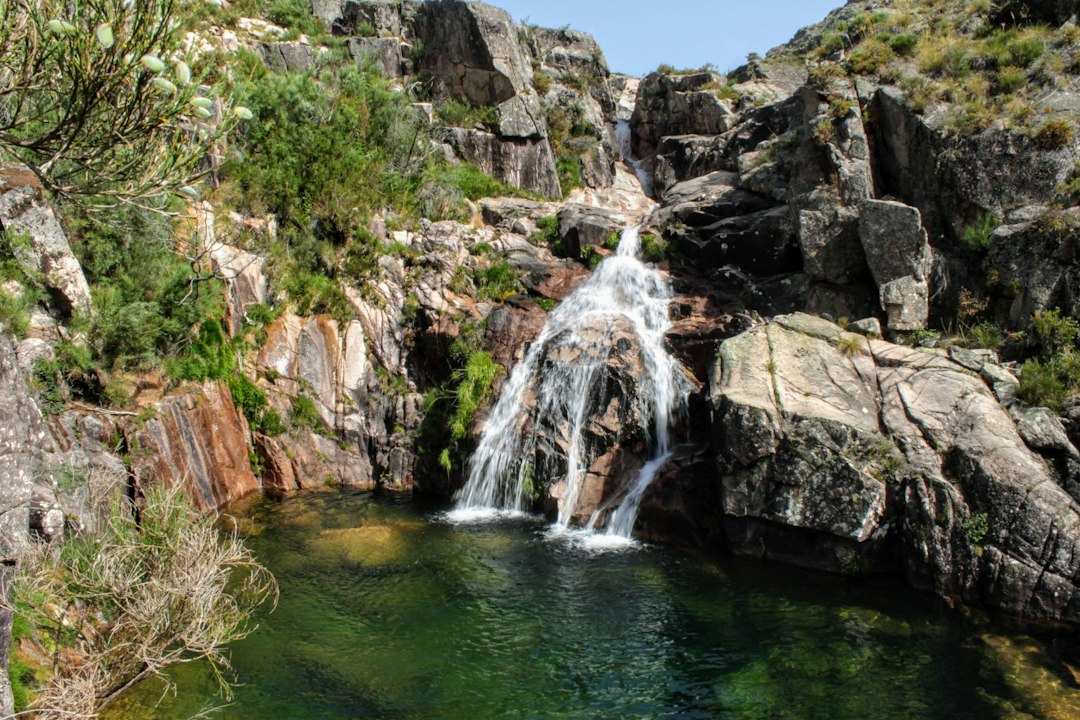

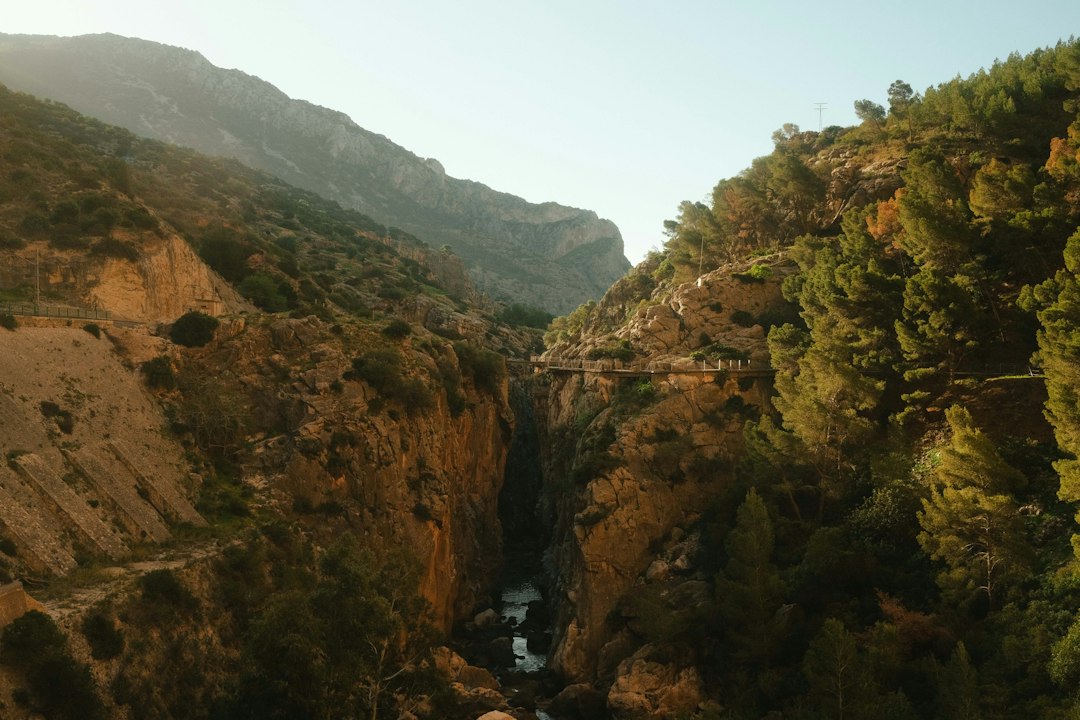
The limestone walls rise over 400 meters on both sides, and among these vertical rocks, hidden by the relentless advancing Mediterranean vegetation, stands what remains of an aristocratic villa from the early twentieth century. The Desfiladero de los Gaitanes, near Ardales in the province of Málaga, is known primarily for the Caminito del Rey, the famous path attached to the walls of the gorge. But those who venture beyond the marked trails discover another story: that of a noble building that nature is slowly reintegrating into the landscape, brick by brick.
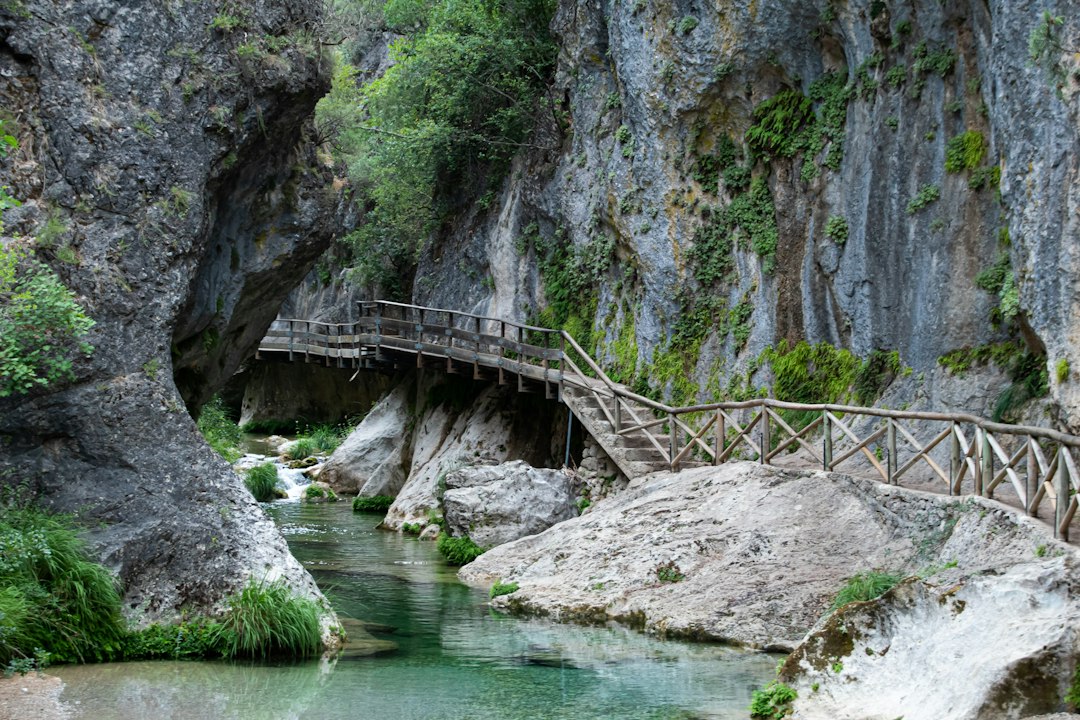
The structure, built in the early decades of the twentieth century in an eclectic style with neoclassical and Andalusian regional influences, was conceived as a holiday residence for a wealthy family connected to the local aristocracy. Access was originally through paths that today require caution and good hiking footwear. The gradual abandonment, which occurred in the second half of the twentieth century, has left the interiors in a state of fascinating but also dangerous decay, where the coffered ceilings have partially crumbled and the arched windows now frame only rock and sky.
Architecture among the rocks: the details that endure
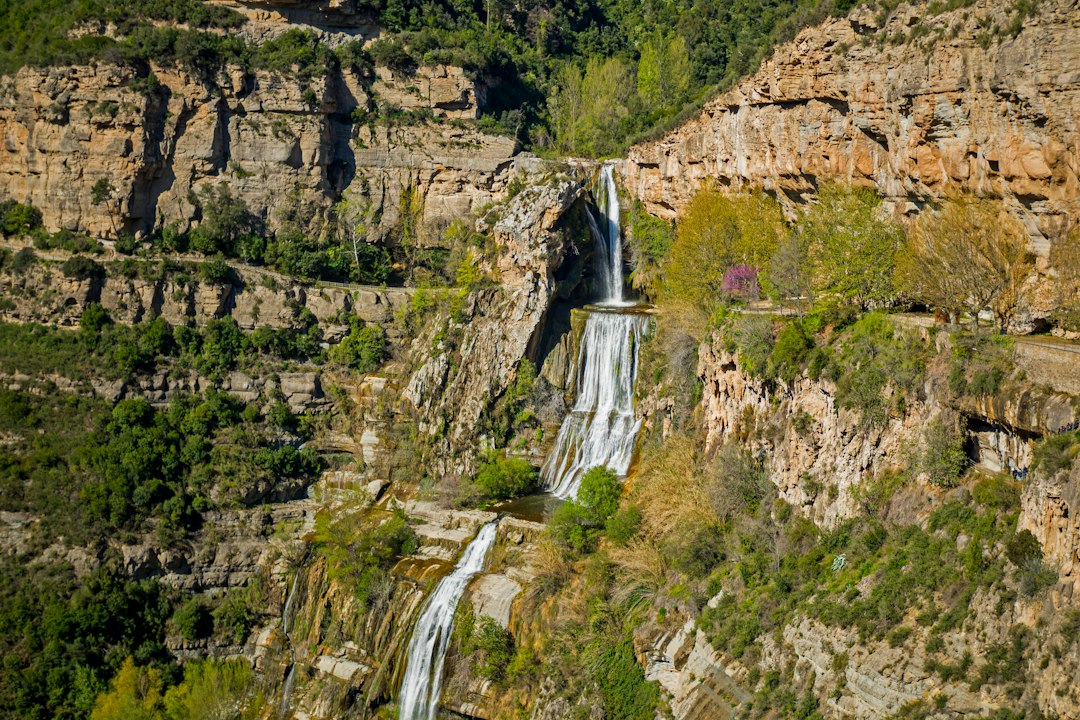
Approaching the structure, the first elements that catch the eye are the remains of the entrance portal, with a stone frame that recalls typical plant motifs of the Spanish Art Nouveau period. The capitals of the columns that once supported the front portico still show traces of acanthus leaf decoration, partially eroded by the moisture of the gorge. The main facade, oriented towards the canyon, retains a strict symmetry interrupted only by the collapse of one of the side wings, which likely occurred in the 1970s or 1980s.
Inside, or rather in what remains of the areas accessible from the outside without penetrating the structurally unstable zones, one can still observe fragments of flooring made of polychrome hydraulic tiles, a decorative element common in wealthy Andalusian residences of the time. The geometric patterns in blue, white, and ochre are still legible in some corners sheltered from the rain. On the walls, overlapping layers of peeling plaster reveal the successive phases of renovation that the villa underwent over the decades before its final abandonment.
The relationship between the palace and the natural landscape
What makes this structure visually powerful is not so much its state of preservation, but the contrast between the geometric rigidity of the architecture and the organic strength of the vegetation that surrounds it. Wild figs have cracked some of the perimeter walls with their roots, and brambles and wild honeysuckle cover much of the side facade. In spring, when the gorge is traversed by a constant breeze coming from the Guadalhorce River that flows 150 meters below, the building takes on an almost theatrical quality.
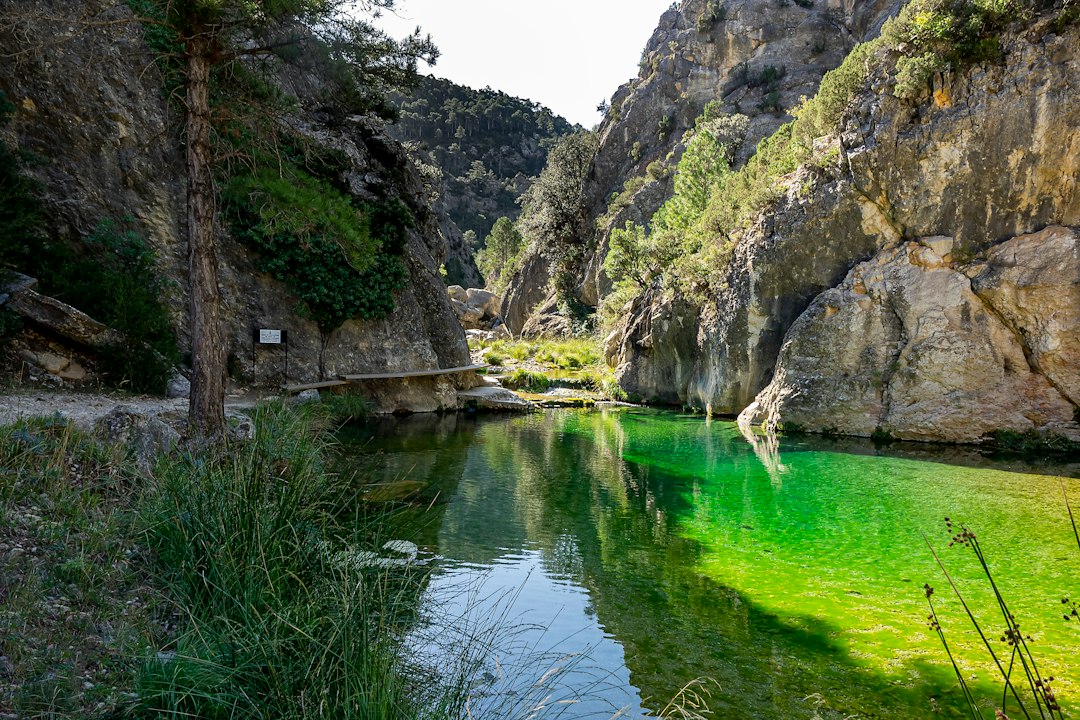
The very location of the villa, built on a natural plateau within the gorge, suggests that its patrons wanted to isolate themselves from the outside world while maintaining a certain comfort. The choice of site is architecturally bold: the building materials had to be transported by hand or with pack animals along steep paths, which indicates considerable economic resources and a precise desire for integration into the landscape rather than contrast with it.
How to get there and what to expect
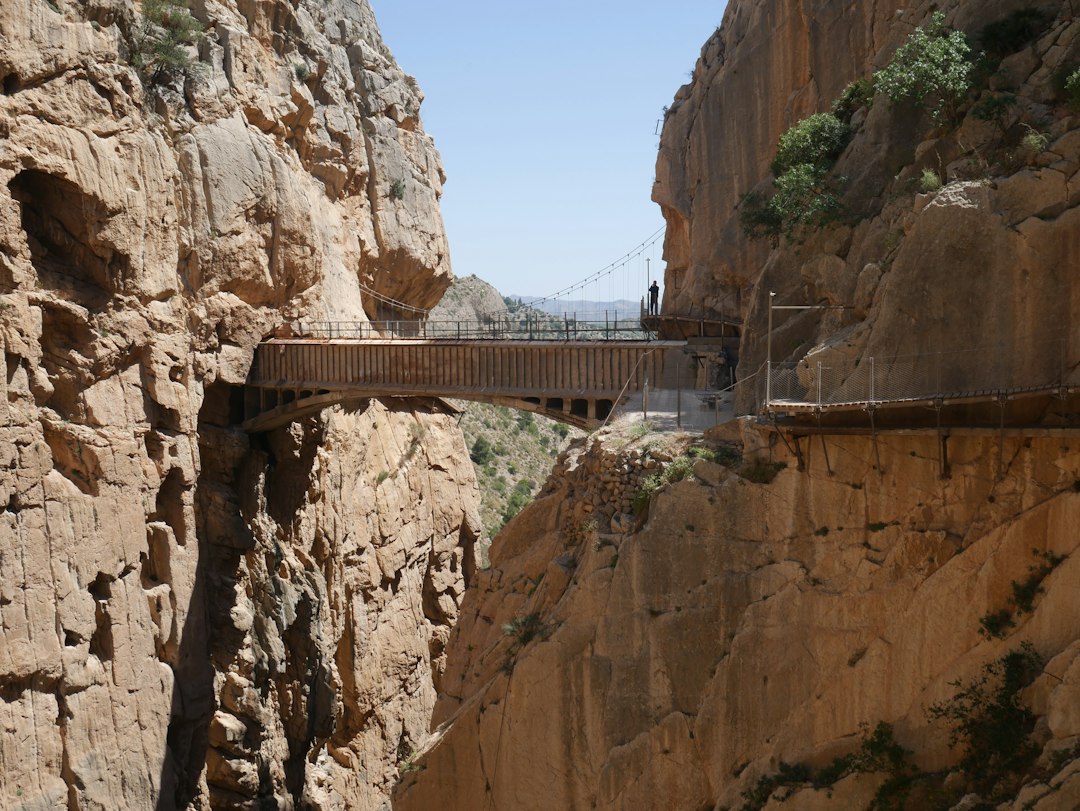
The most convenient starting point is the village of El Chorro, reachable by train from Málaga on the C-2 Cercanías line in about an hour. From El Chorro, several trails branch out within the natural park. It is essential to equip yourself with an updated map that can be downloaded from the park's website or purchased at the local information office, as the paths leading to the villa are not always clearly marked and some unofficial branches may lead to restricted areas.
The best time to visit is early in the morning, between 8 and 10, when the light enters obliquely into the gorge and illuminates the facade of the villa in a particularly evocative way. In summer, temperatures inside the canyon can exceed 38 degrees in the afternoon, making the walk quite uncomfortable. It is recommended to bring at least one and a half liters of water per person, shoes with a rigid sole, and not to enter the masonry structures for safety reasons. The travel time from the village to the villa and back is about three hours at a moderate pace.
Conservation and Uncertain Future
There are currently no known public projects for the restoration or enhancement of the structure, which is located in an area subject to environmental constraints of the natural park. This limits any private intervention but paradoxically ensures that the site remains accessible in its current state without commercial transformations. Those who visit the Desfiladero de los Gaitanes with an interest in historical architecture find here an involuntary document of how time and nature treat human ambitions when left unprotected.


