



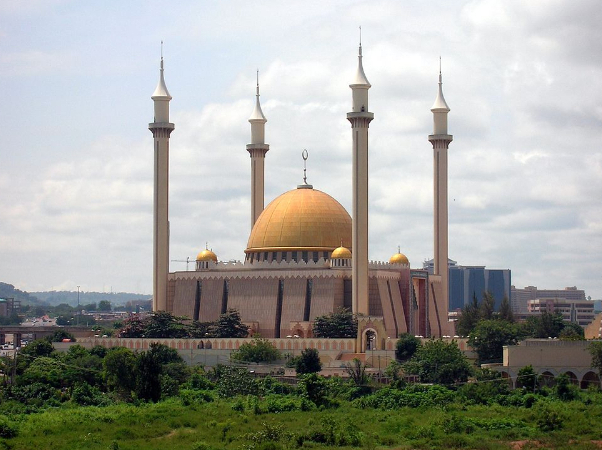
Nestled in the heart of Nigeria's bustling capital, the Abuja National Mosque stands as a magnificent testament to the country's rich tapestry of history and culture. This awe-inspiring structure, also known as the Nigerian National Mosque, serves not only as a place of worship but also as a beacon of architectural splendor and cultural significance.
History and Origins
The foundation of the Abuja National Mosque dates back to the late 20th century, a period marked by Nigeria's transition from Lagos to Abuja as its capital. Completed in 1984, the mosque was constructed to symbolize national unity and religious harmony in a diverse nation. Its establishment in the newly designated capital was a strategic move to reflect and accommodate the Islamic faith, which is practiced by a significant portion of Nigeria's population. The decision to build the mosque in Abuja also underscored the government's commitment to developing the city as a symbol of national identity and progress.
Art and Architecture
An architectural masterpiece, the Abuja National Mosque is a stunning example of modern Islamic design. Its most striking feature is the golden dome, a gleaming beacon that rises majestically against the Abuja skyline. The mosque is surrounded by four towering minarets, each standing at an impressive 120 meters, providing a visual balance and enhancing its grandeur. The interior is equally captivating, adorned with intricate Arabic calligraphy and geometric patterns that reflect the artistic traditions of Islamic architecture. The mosque's prayer hall, capable of accommodating thousands of worshippers, features a beautifully crafted mihrab that indicates the qibla, the direction of Mecca. The blend of traditional and contemporary styles makes the mosque not only a place of spiritual solace but also an artistic landmark.
Local Culture and Traditions
The Abuja National Mosque plays a vital role in the cultural and religious life of the city. It is a focal point for major Islamic festivals, such as Eid al-Fitr and Eid al-Adha, drawing worshippers from all over the country. These festivals are marked by communal prayers, festive meals, and charitable acts, embodying the spirit of unity and generosity that permeates Nigerian society. The mosque also hosts various religious seminars and lectures, fostering a deeper understanding of Islamic teachings and promoting interfaith dialogue in a culturally diverse nation.
Gastronomy
While the mosque itself does not offer dining facilities, the surrounding area is a culinary haven that reflects Nigeria's diverse gastronomy. Visitors can savor local delicacies such as jollof rice, a vibrant, spicy dish made with tomatoes and peppers, and suya, a popular street food consisting of skewered and grilled meat seasoned with a spicy peanut sauce. For a refreshing drink, try zobo, a hibiscus tea that is both flavorful and rich in antioxidants. These dishes not only tantalize the taste buds but also offer a glimpse into the culinary diversity of Nigeria.
Lesser-Known Curiosities
One intriguing aspect of the Abuja National Mosque is its role in promoting environmental sustainability. The mosque is equipped with a sophisticated water recycling system, a forward-thinking feature that ensures efficient usage of water resources in a region where this is often a concern. Additionally, few visitors realize that the mosque's library houses an extensive collection of Islamic texts and manuscripts, serving as an invaluable resource for scholars and researchers interested in Islamic studies.
Practical Visitor Information
For those planning to visit, the best time to explore the Abuja National Mosque is during the cooler months between November and February, when the weather is more temperate. Visitors should be mindful of the dress code, which requires modest attire, and be prepared to remove their shoes before entering the prayer areas. While non-Muslims are welcome to visit the mosque, it is advisable to avoid visiting during prayer times to respect worshippers. Photography is generally allowed, but it is always courteous to ask for permission, especially during religious ceremonies.
The Abuja National Mosque is more than a religious site; it is a cultural and architectural icon that encapsulates the spirit of Nigeria. Its grandeur and significance offer visitors a profound insight into the country's rich cultural heritage and religious diversity. Whether you're drawn to its artistic beauty, historical importance, or cultural vibrancy, a visit to this iconic mosque promises a memorable and enriching experience.
