



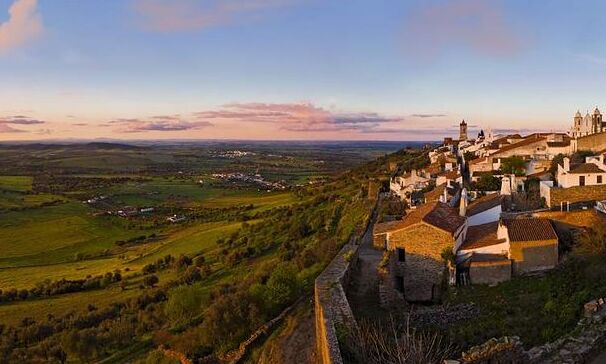
Nestled between the bustling streets of Lisbon and the sun-kissed shores of the Algarve, the Alentejo region unfolds like a beautifully woven tapestry of history, culture, and gastronomy. This enchanting area of Portugal, which translates to "behind the river Tejo," is a true gem waiting to be discovered by those willing to venture off the beaten path.

### History and Origins
The Alentejo boasts a rich and diverse history that dates back to prehistoric times. The region is dotted with megalithic structures, such as the Cromeleque dos Almendres, one of the oldest stone circles in the world, believed to have been erected around 6,000 years ago. Evora, the region's capital, is a UNESCO World Heritage site that showcases layers of history from the Roman period, when it was known as Ebora, to its significant role during the Reconquista.

Key historical events, such as the Battle of Aljubarrota in 1385, shaped the identity of Alentejo, influencing its political landscape and cultural development. The region's strategic position made it a focal point during the Iberian Peninsula's conflicts, and remnants of its past can be seen in the imposing Castelo de Évora and the historic walls of Elvas, which form one of the finest examples of military architecture in Europe.
### Art and Architecture
The architectural style of Alentejo reflects its rich history. From the intricate Manueline motifs to the austere beauty of Romanesque churches, the region captivates with its visual narratives. The Cathedral of Évora, with its stunning blend of Gothic and Romanesque elements, stands as a testament to the region's artistic significance.
Noteworthy artworks abound, including the Chapel of Bones (Capela dos Ossos) located within the Church of St. Francis in Évora. This unsettling yet fascinating site, adorned with human skulls and bones, serves as a poignant reminder of mortality and has become a must-see for visitors. The region is also home to traditional Azulejos, beautifully painted ceramic tiles that adorn many buildings, telling stories of cultural heritage through their intricate patterns.
### Local Culture and Traditions
The Alentejo is steeped in folklore and tradition, with local customs that reflect the region's agricultural roots. One of the most vibrant expressions of this culture is the Cante Alentejano, a traditional form of polyphonic singing recognized by UNESCO as an Intangible Cultural Heritage. This passionate music style often accompanies local festivals, where residents gather to celebrate their heritage.
Annual festivals, such as the Feira de São João in Évora, showcase the region's cultural importance, featuring traditional crafts, music, and gastronomy. The Festa de Nossa Senhora da Conceição in Serpa is another remarkable event, drawing pilgrims and tourists alike to experience the region's spiritual and communal ties.
### Gastronomy
The culinary landscape of Alentejo is as rich and diverse as its history. Known for its hearty, rustic dishes, the region is celebrated for its cured meats like presunto (cured ham) and chouriço (smoked sausage). The famous Açorda, a bread soup flavored with garlic, olive oil, and coriander, is a local staple that reflects the simplicity and flavor of Alentejo's cuisine.
Alentejo is also a wine lover's paradise, producing robust red wines from indigenous grape varieties such as Alicante Bouschet and Trincadeira. The region's wineries offer tastings that allow visitors to savor the distinct flavors of this lesser-known wine-producing area. Don't miss the opportunity to try the local queijo de Évora, a delicious sheep's cheese that pairs perfectly with a glass of regional wine.
### Lesser-Known Curiosities
While the Alentejo is known for its breathtaking landscapes and rich history, there are hidden gems that many tourists overlook. For instance, the Torre de Menagem in Beja, a medieval tower that offers panoramic views of the surrounding countryside, is often overshadowed by more famous landmarks.
Another intriguing fact is the Village of Monsaraz, perched on a hilltop, which not only provides stunning vistas of the Alqueva Lake but is also home to a unique blend of medieval architecture and modern art, featuring installations that harmonize with the landscape.
### Practical Visitor Information
The best time to visit the Alentejo is during the spring (March to June) and autumn (September to November) when the weather is mild, and the landscapes are vibrant. To truly immerse yourself in the local culture, consider participating in a traditional cooking class or wine tour.
When traveling through the region, renting a car is advisable, as many of the charming villages and scenic spots are best accessed by road. Keep an eye out for local artisan shops where you can find handmade pottery and textiles, perfect souvenirs that embody the spirit of Alentejo.
The Alentejo is a region rich in history, art, and culinary delights, waiting to be explored by discerning travelers. For a personalized itinerary that captures the essence of this beautiful area, consider using the Secret World app to plan your adventure.
