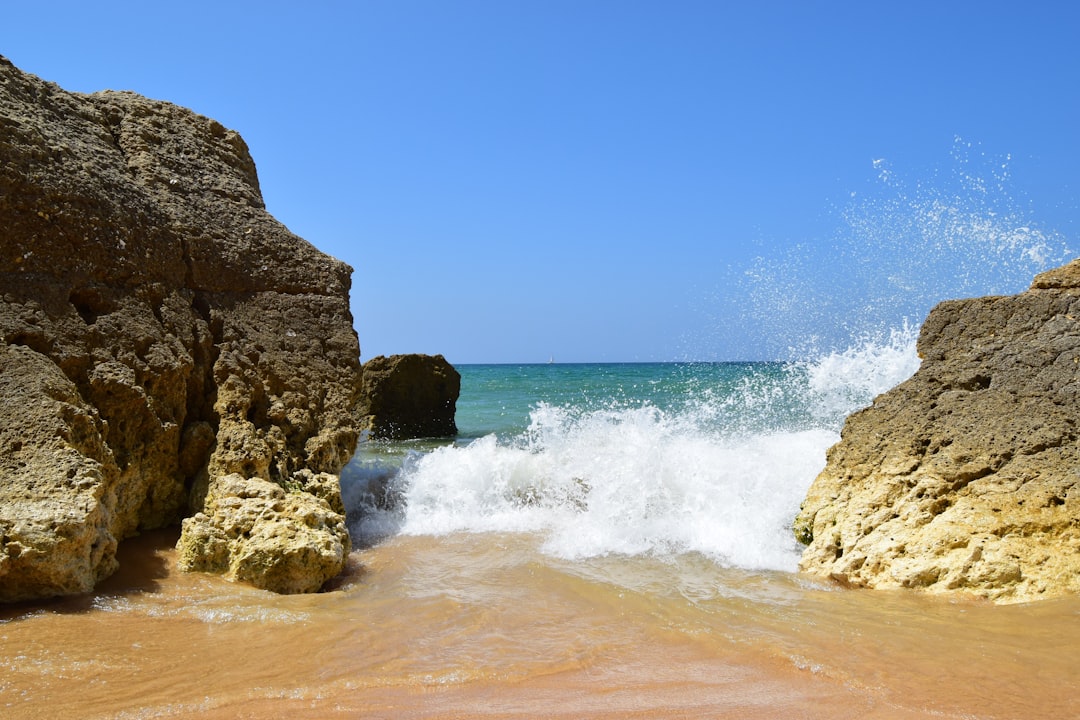

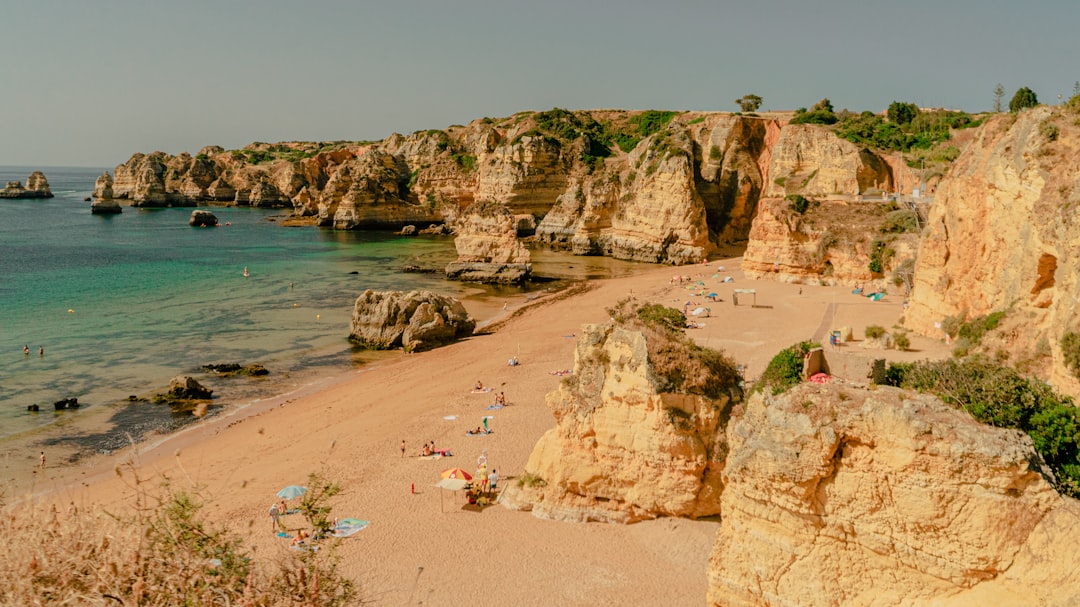
The Algarve, located in the southernmost region of Portugal, is a stunning coastal paradise that captivates visitors with its breathtaking landscapes and rich history. Among its many gems, Lagos stands out as a vibrant town nestled between the dramatic cliffs and expansive sandy beaches of the western Algarve. This region is not just a feast for the eyes; it is steeped in history, culture, and culinary delights that contribute to its charm.
### History and Origins The history of Lagos dates back to ancient times, with evidence of human habitation since the Paleolithic period. The town was originally called Lacobriga by the Phoenicians and later became a significant port for the Romans. It was during the Age of Discoveries in the 15th century that Lagos truly flourished. The town served as a launching point for Portuguese explorers like Vasco da Gama, who embarked on voyages that would change the course of history.
A pivotal moment came in 1755 with the Lisbon earthquake, which devastated much of the town. The rebuilding efforts led to the establishment of a baroque architectural style, visible in structures such as Igreja de Santo António, a church renowned for its intricate gilded woodwork and stunning azulejos.
### Art and Architecture Lagos is a canvas of varied architectural styles, showcasing a blend of Moorish, Gothic, and Renaissance influences. The Igreja de Santo António, built in the 18th century, is a prime example, adorned with elaborate carvings and a striking altar covered in gold leaf. The Fortaleza da Ponta da Bandeira, a 17th-century fortress, offers stunning views of the coastline and is a testament to the town’s strategic military importance.
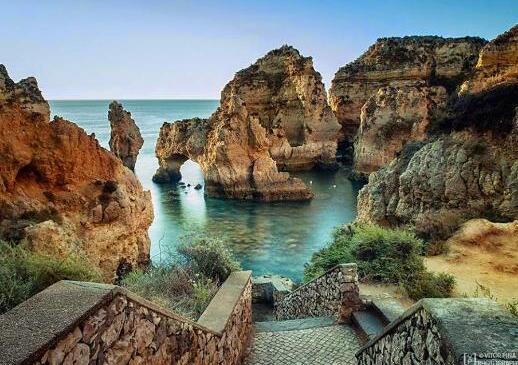
Along the coastline, Ponta da Piedade stands as a masterpiece of nature and art. Its striking golden sandstone cliffs are sculpted into dramatic formations, including towering pillars, natural arches, and hidden caves. The interplay of light on the cliffs at sunset creates a magical atmosphere, making it a favorite spot for photographers and romantics alike.
### Local Culture and Traditions The culture of Lagos is vibrant and laden with traditions that reflect its rich history. Local festivals are a highlight, particularly the Festa de São Gonçalo, celebrated every January with a colorful procession and traditional music. Another significant event is the Lagos Carnival, which takes place in February, showcasing elaborate costumes, parades, and an infectious spirit of celebration.
Artisan crafts remain vital to the local culture, with many shops offering handmade pottery and textiles that reflect the region's maritime heritage. The practice of fishing has deep roots here, and you can still find fishermen mending their nets along the coastline, connecting the present with centuries of tradition.
### Gastronomy No visit to Lagos is complete without indulging in its culinary offerings. Seafood reigns supreme, with dishes such as cataplana de marisco, a delicious seafood stew cooked in a traditional copper pot, and sardinhas assadas, grilled sardines seasoned with sea salt. The town's coastal location ensures that fish and shellfish are fresh and plentiful.
For a sweet treat, try pastéis de nata, the famous custard tarts, best enjoyed with a sprinkle of cinnamon. Pair your meal with a glass of Vinho Verde, a light and refreshing white wine that complements the local seafood beautifully. Don’t forget to explore the local markets, where you can find an array of regional produce and artisanal products.
### Lesser-Known Curiosities While the stunning beaches and cliffs attract most visitors, there are hidden gems in Lagos waiting to be discovered. The Museu Municipal offers insights into the town's history, featuring artifacts from the Roman period to the Age of Discoveries. Another lesser-known spot is the Praia do Camilo, a small beach that can be accessed via a picturesque wooden staircase and is often less crowded than its larger counterparts.
Additionally, many tourists miss the chance to take a boat tour of the caves and grottoes along the coast, where you can witness the stunning geological formations up close and even swim in secluded coves.
### Practical Visitor Information The best time to visit Lagos is during the shoulder seasons of spring (April to June) and autumn (September to October) when the weather is pleasant, and the crowds are thin. To fully immerse yourself in the experience, consider exploring on foot or by bike, allowing you to discover charming streets and hidden treasures at your own pace.
Be sure to bring sunscreen, a hat, and comfortable footwear for exploring the cliffs and beaches. Local guides offer tours that provide deeper insights into the history and culture, enriching your understanding of this captivating area.
Lagos is a destination that beckons travelers with its stunning landscapes and rich heritage, offering an unforgettable experience that lingers long after your visit. To truly make the most of your adventure, consider using the Secret World app to craft a personalized itinerary tailored to your interests.