
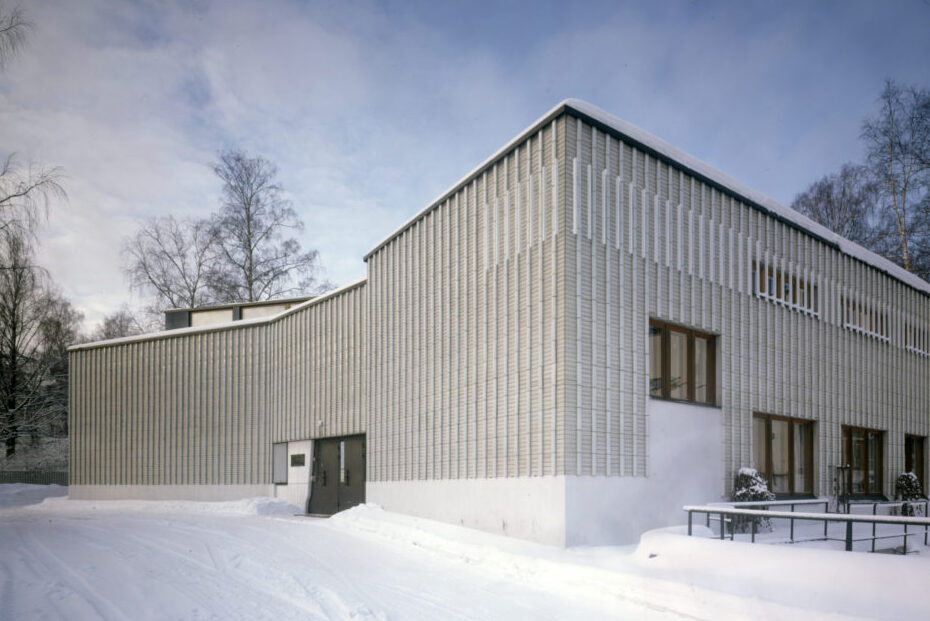

Nestled on a gentle slope by Lake Jyväsjärvi, the Alvar Aalto Museum serves as a poignant tribute to one of Finland's most celebrated architects, Alvar Aalto. Its location is both serene and strategic, sitting adjacent to the University of Jyväskylä and the Museum of Central Finland, which creates a vibrant cultural enclave that celebrates the intersection of education, art, and architectural innovation.
The museum's origins trace back to the 1970s, a period marked by a growing recognition of Aalto's contributions to modernist architecture. Although the initial plans for the museum were completed in 1970, the project faced financial challenges that led to a reduction in its scale. Aalto meticulously finalized his designs in 1973, ensuring that the building would embody his design philosophy, which emphasized harmony between nature and architecture. The result is a structure that reflects Aalto’s unique ability to create spaces that are both functional and aesthetically pleasing, an ethos prevalent in many of his works.
Architecturally, the museum is a stunning example of Finnish modernism, characterized by its use of natural materials and innovative forms. The exhibition space on the first floor is thoughtfully divided by movable partitions, allowing for flexibility in layout and experience. Visitors will find that the highest part of the hall is adorned with slatted pine panels, reminiscent of Aalto’s design for Finland’s pavilion at the 1939 New York World’s Fair. This feature not only serves an artistic purpose but also enhances the acoustic properties of the space, reflecting Aalto's attention to both form and function.
The museum's façade is crafted from white Halla bricks, produced by the renowned Arabia ceramics factory, with decorative porcelain strips adding a touch of elegance. The main entrance, with its copper surface and brass handles, is a testament to Aalto’s meticulous design approach and his belief that even the smallest details should reflect quality and artistry. Inside, every piece of furniture is also designed by Aalto, creating a cohesive environment that immerses visitors in his aesthetic vision.
Local culture in Jyväskylä is rich and vibrant, influenced by both its natural surroundings and its architectural heritage. The city hosts various festivals throughout the year, such as the Jyväskylä Arts Festival, which celebrates the performing arts and draws artists from across Finland and beyond. The Jyvaskyla Summer Festival is another highlight, showcasing local music, theater, and visual arts, providing a platform for both emerging talents and established artists, all in the spirit of community and artistic expression.
When in Jyväskylä, indulging in local gastronomy is a must. Traditional Finnish cuisine is characterized by its simplicity and connection to nature, with ingredients sourced from the surrounding forests and lakes. Be sure to try Karjalanpiirakka (Karelian pies), a savory pastry filled with rice porridge or mashed potatoes, often enjoyed with egg butter. For a sweet treat, sample Runeberg's tarts, named after the Finnish poet Johan Ludvig Runeberg, which are typically enjoyed on his birthday in February. Pair these delights with a glass of salmiakki, a traditional Finnish salty liquorice that offers a unique taste experience.
For those who venture beyond the museum's walls, Jyväskylä is filled with lesser-known curiosities that add to its charm. One intriguing fact is that the city is home to the Jyvaskyla University Museum, which houses an extensive collection of educational materials and artifacts that reflect the evolution of Finnish education. Moreover, the Alvar Aalto Foundation, established in 1994, continues to promote Aalto's legacy through various initiatives, ensuring that his influence on architecture and design is celebrated and preserved for future generations.
The best time to visit the Alvar Aalto Museum is during the summer months, from June to August, when the weather is pleasant and the surrounding nature is in full bloom. However, the museum offers a unique experience year-round, with changing exhibitions that delve deeper into Aalto's life and work. To make the most of your visit, take the time to explore the museum's curated exhibitions and participate in guided tours that provide insights into Aalto's design philosophy.
As you wander through this architectural gem, you’ll encounter not only the physical manifestations of Aalto’s vision but also the spirit of innovation that permeates Jyväskylä. Whether you are an architecture enthusiast or a casual visitor, the Alvar Aalto Museum invites you to appreciate the beauty of design in harmony with nature.
To enhance your experience in Jyväskylä, consider using the Secret World app to plan a personalized AI itinerary that captures the essence of this captivating city.


