
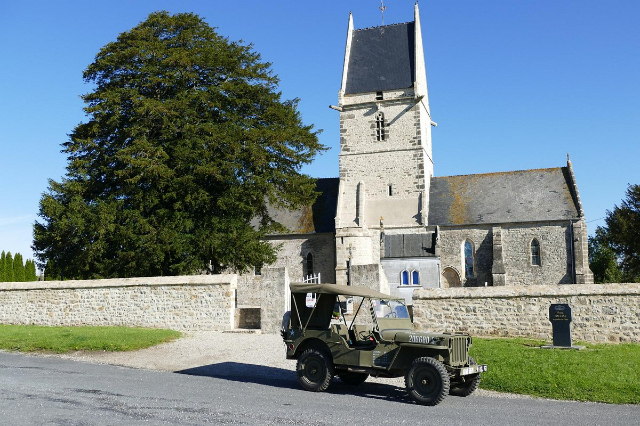

Angoville-au-Plain, a small village in Normandy, France, is home to a remarkable medieval church with a poignant and significant history. The Angoville-au-Plain Church, also known as the Church of Saints-Côme-et-Damien, bears witness to the events that unfolded during the D-Day invasion of World War II.
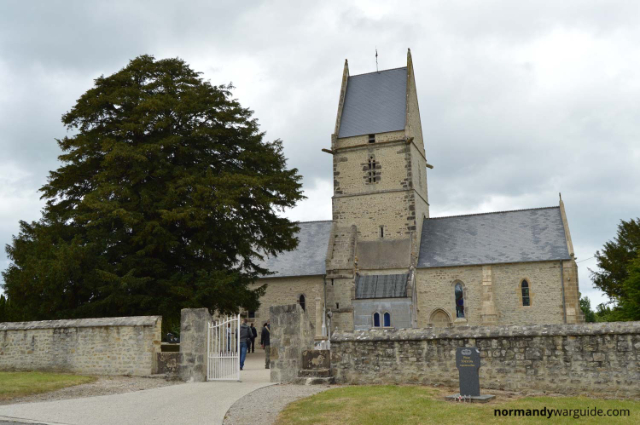
On June 6, 1944, during the Normandy landings, the church became a temporary field hospital. Two American medics, Robert E. Wright and Kenneth J. Moore, set up their aid station inside the church to treat wounded soldiers from both sides of the conflict. The medics worked tirelessly, disregarding the distinction between friend and foe, as they strived to save lives.
The church provided a place of refuge and sanctuary amidst the chaos of war. Despite sustaining damage from gunfire and explosions, the building still stands today as a testament to the bravery and compassion displayed by Wright and Moore and the countless lives they saved.
Visitors to the Angoville-au-Plain Church can witness a haunting reminder of its wartime role. The bloodstains on the pews and floors, which were unable to be completely removed, serve as poignant reminders of the human cost of war and the sacrifices made by those who sought to alleviate suffering.
The church has become a place of pilgrimage and remembrance, attracting visitors from around the world who come to pay their respects to the fallen and to honor the courage of Wright and Moore. It stands as a symbol of hope, resilience, and the healing power of humanity even in the midst of conflict.
The Angoville-au-Plain Church serves as a somber reminder of the horrors of war and the enduring spirit of compassion and mercy. Its historical significance and the visible traces of its past make it a powerful destination for those interested in World War II history and those seeking to reflect on the human impact of war.


