
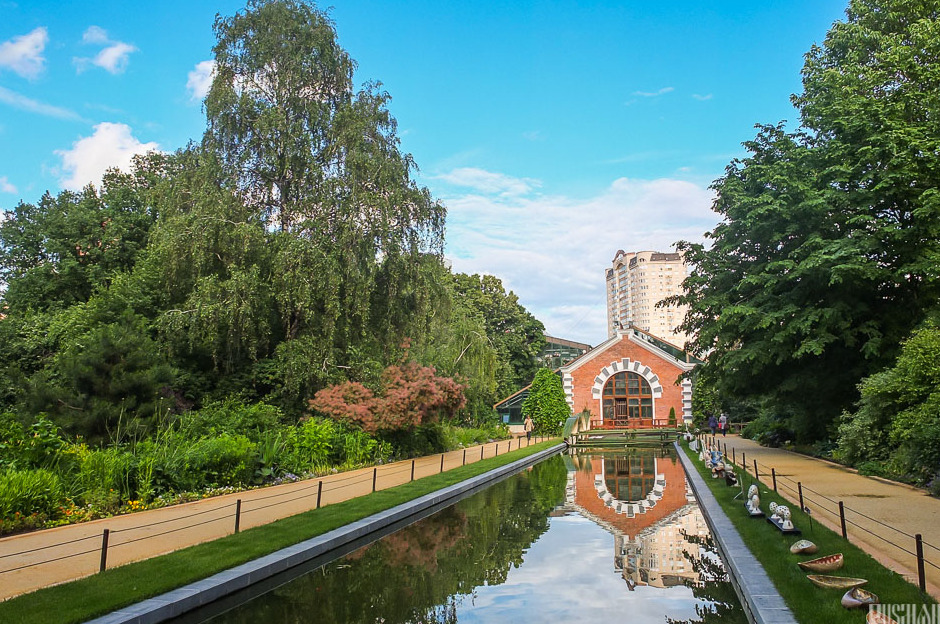

Nestled in the heart of Moscow, the Apothecaries' Garden is a verdant oasis that tells the story of Russian history through its lush landscapes and botanical collections. Founded on the directive of Peter the Great in 1706, this garden has served as a significant center for herbal medicine and botanical studies for over three centuries.
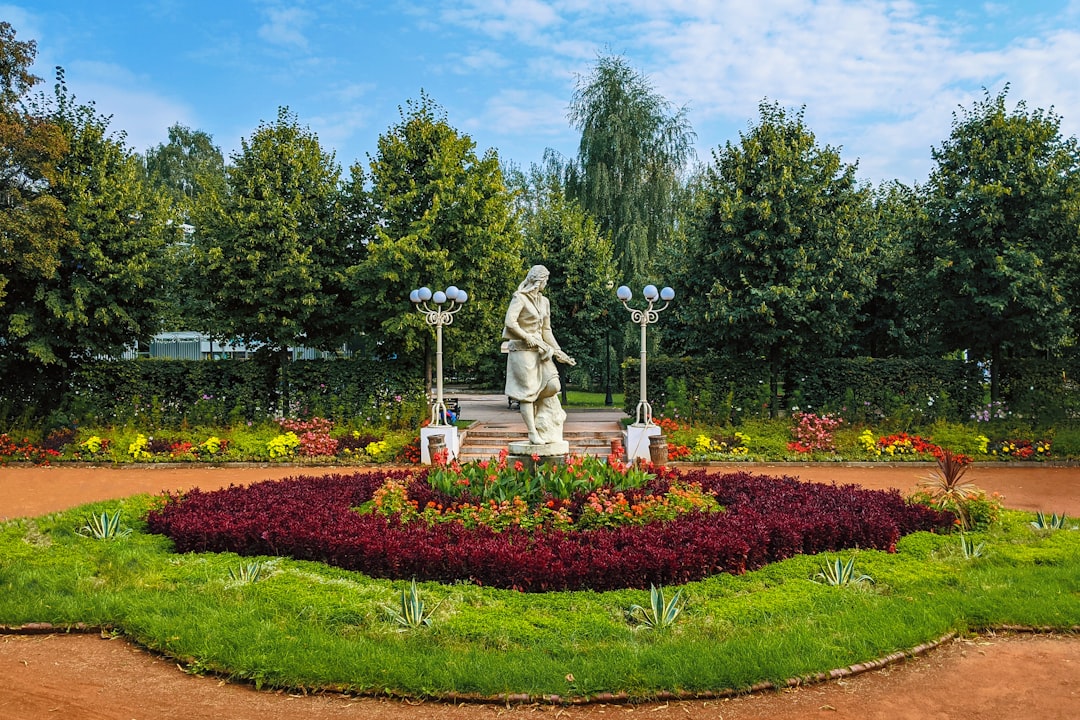
The origins of the Apothecaries' Garden can be traced back to the early 18th century when Peter sought to modernize Russia by importing Western knowledge and practices. The garden was initially established to supply medicinal herbs for the Moscow Apothecary. Over the years, it evolved into a botanical garden that showcased a diverse array of plants from various regions. The garden has witnessed the rise and fall of empires, and its landscape has transformed through wars, revolutions, and changing societal values.
In the Soviet era, the garden fell into disrepair, overshadowed by the prioritization of industrial development. However, the 1990s brought a revival, marked by extensive restoration efforts that breathed new life into this historical gem. Today, the garden is a harmonious blend of history and nature, where the echoes of the past meet the vibrancy of contemporary life.
Architecturally, the Apothecaries' Garden is a treasure trove. One of its most striking features is the orangerie, an elegant structure housing an array of tropical palms and exotic plants. The orangerie reflects the Baroque architectural style that was prevalent during Peter the Great's reign, characterized by its ornate details and grandiose design. As you walk through the garden, the immense trees create a majestic canopy overhead, especially stunning when they turn vibrant shades of gold in autumn.
Art is woven into the fabric of the garden, with several sculptures and installations scattered throughout the grounds. Notable among these is a statue of Peter the Great, which serves as a reminder of the garden's origins. The artistic significance of the garden extends beyond mere decoration; it embodies the intersection of nature, science, and art, inviting visitors to reflect on the importance of botanical studies in Russian culture.
The Apothecaries' Garden is also a vibrant hub of local culture. It hosts various events and festivals throughout the year, celebrating the changing seasons and the rich traditions of Moscow. One notable event is the Moscow Flower Show, which draws horticulture enthusiasts from across the city. This festival showcases stunning floral arrangements and provides workshops on gardening techniques, emphasizing the garden's role as an educational center.
In addition to its cultural offerings, the garden is home to several restaurants and cafes where visitors can indulge in local gastronomy. Strolling through the garden, one can savor traditional Russian delicacies such as borscht, a beetroot soup that symbolizes the heartiness of Russian cuisine, or pelmeni, savory dumplings filled with meat. The cafes often serve seasonal dishes that incorporate fresh herbs and vegetables from the garden itself, providing a farm-to-table experience that is both delicious and sustainable.
For those who enjoy unique experiences, the Apothecaries' Garden holds some lesser-known curiosities. One fascinating detail is the "living collection" of plants, which includes rare species that were once used in traditional medicine. Visitors often miss the small, unassuming plaques scattered throughout the garden that provide insight into the historical uses of these plants. Additionally, the tranquil carp pond is not just a picturesque spot; it has been a gathering place for locals and a source of inspiration for artists and poets throughout the years.
The best time to visit the Apothecaries' Garden is during the spring and early autumn when the flora is in full bloom and the weather is mild. Early mornings or late afternoons are particularly enchanting, as the sunlight filters through the leaves, casting a golden glow on the pathways. It’s advisable to wear comfortable shoes, as the garden is expansive, and exploring its various sections can take several hours.
When visiting, be sure to look out for the historical markers that provide context to the garden's rich legacy. Take your time to stroll along the winding paths, breathe in the fragrant air, and perhaps enjoy a quiet moment by the pond.
For a seamless exploration of this historic site and more hidden gems in Moscow, consider using the Secret World app to craft a personalized AI itinerary.


