
← Back

The Archaeological Excavations of Monte Jato

Contrada Perciata, San Giuseppe Jato, 90040 San Cipirello PA, Italia ★★★★☆ 323 views
Lara Patton
San Giuseppe Jato
🏆 AI Trip Planner 2026

Get the free app

Discover the best of San Giuseppe Jato with Secret World — the AI trip planner with 1M+ destinations. Get personalized itineraries, hidden gems and local tips. Free on iOS & Android.

🧠 AI Itineraries 🎒 Trip Toolkit 🎮 KnowWhere Game 🎧 Audio Guides 📹 Videos
Download on the App Store Get it on Google Play
Scan to download Scan to download
The Archaeological Excavations of Monte Jato - San Giuseppe Jato | Secret World Trip Planner

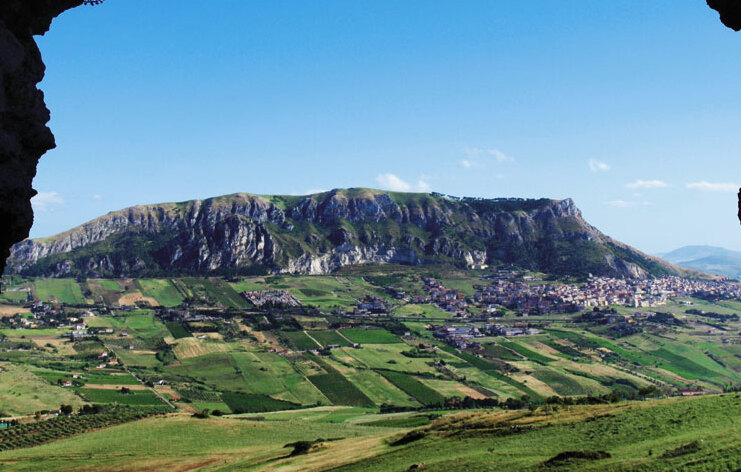
About 30 km from Palermo, above the towns of San Cipirello and San Giuseppe Jato, the majestic Mount Jato (852 m. above sea level) dominates the valley of the Jato River and, to the east, that of the right branch of the Belice River. Starting from San Giuseppe Jato and following a path three kilometres away from the town, one reaches the top of the mountain where the remains of the ancient citadel of Jetas can be found. The site controls on one side the pass of Portella della Paglia, through which access to the Conca d'Oro was assured and the connection with the ancient Punic emporium of Panormos, and on the other side the valley of the Belice, through which it was possible to connect with the southern coast of the island and with the Greek colony of Selinunte. It is an ancient citadel, probably founded by the Elymians, characterized by the presence of solid Greek-Roman walls, with stones rigorously cut and arranged and precarious walls of the Middle Ages. The settlement is part of a system of settlements on high ground, active from the Greek and Roman periods to the Middle Ages. An excavation mission, led by Professor Peter Isler of the University of Zurich in 1971, contributed decisively to bringing to light the settlement of Jetas, a citadel mentioned by historians of the calibre of Thucydides, Diodorus Siculus, Pliny and Cicero.The first human settlement on Mount Jato arose around the first millennium BC. Around the sixth century. BC, there were instead, the first contacts with the Greek colonial world and, thanks to architects and Greek craftsmen, arose the first buildings in masonry and the Greek city with its characteristic buildings: the temple of Aphrodite, the theater, the agora, the private house peristyle and others. Starting from the 4th century B.C. Jetas, as well as the whole western Sicily, was under the rule of the Carthaginians. Thanks to the account of Diodorus Siculus we know that between 278 and 275 B.C. it was attacked by Pyrrhus, king of Epirus, and that during the first Punic War (264-241 B.C.) the Jetinos, having driven out the Carthaginians, surrendered to the Romans and regained possession of the Mount.

🗺 AI Trip Planner

Plan your visit to San Giuseppe Jato

Suggested itinerary near The Archaeological Excavations of Monte Jato

MAJ+
500.000+ travelers worldwide
  1. 🌅
    Morning
    The Archaeological Excavations of Monte Jato
    📍 San Giuseppe Jato
  2. ☀️
    Afternoon
    Sicilian Cannoli
    📍 8.4 km da San Giuseppe Jato
  3. 🌆
    Evening
    Borgo Parrini, a real rainbow of colours
    📍 14.2 km da San Giuseppe Jato

Buy Unique Travel Experiences

Powered by Viator

See more on Viator.com

Explore nearby · San Giuseppe Jato

Frequently Asked Questions

Monte Jato is located about 30 km from Palermo, positioned above the towns of San Cipirello and San Giuseppe Jato. From San Giuseppe Jato, follow a 3-kilometer path that leads to the summit where you'll find the ancient citadel ruins at 852 meters above sea level.
Monte Jato was probably founded by the Elymians around the first millennium BC and later became the citadel of Jetas, a settlement mentioned by famous ancient historians like Thucydides, Diodorus Siculus, Pliny, and Cicero. The site was influenced by Greeks from the 6th century BC, Carthaginians from the 4th century BC, and was even attacked by Pyrrhus, king of Epirus, between 278-275 BC.
The archaeological site features solid Greek-Roman walls with precisely cut and arranged stones, as well as medieval structures. Notable remains include a temple of Aphrodite, a theater, an agora (marketplace), and private houses with peristyles that showcase the characteristic Greek city layout and architecture.
Monte Jato's elevated position controlled the pass of Portella della Paglia, which provided access to the Conca d'Oro and connection to the ancient Punic port of Panormos, while also overlooking the Belice valley that linked to the southern coast and the Greek colony of Selinunte. This made it a vital hub connecting different regions and civilizations across Sicily.
The significant archaeological excavation of Monte Jato was led by Professor Peter Isler of the University of Zurich in 1971, which decisively revealed the ancient citadel of Jetas and brought its historical importance to light. The site represents a settlement system that remained active from the Greek and Roman periods through the Middle Ages.
