



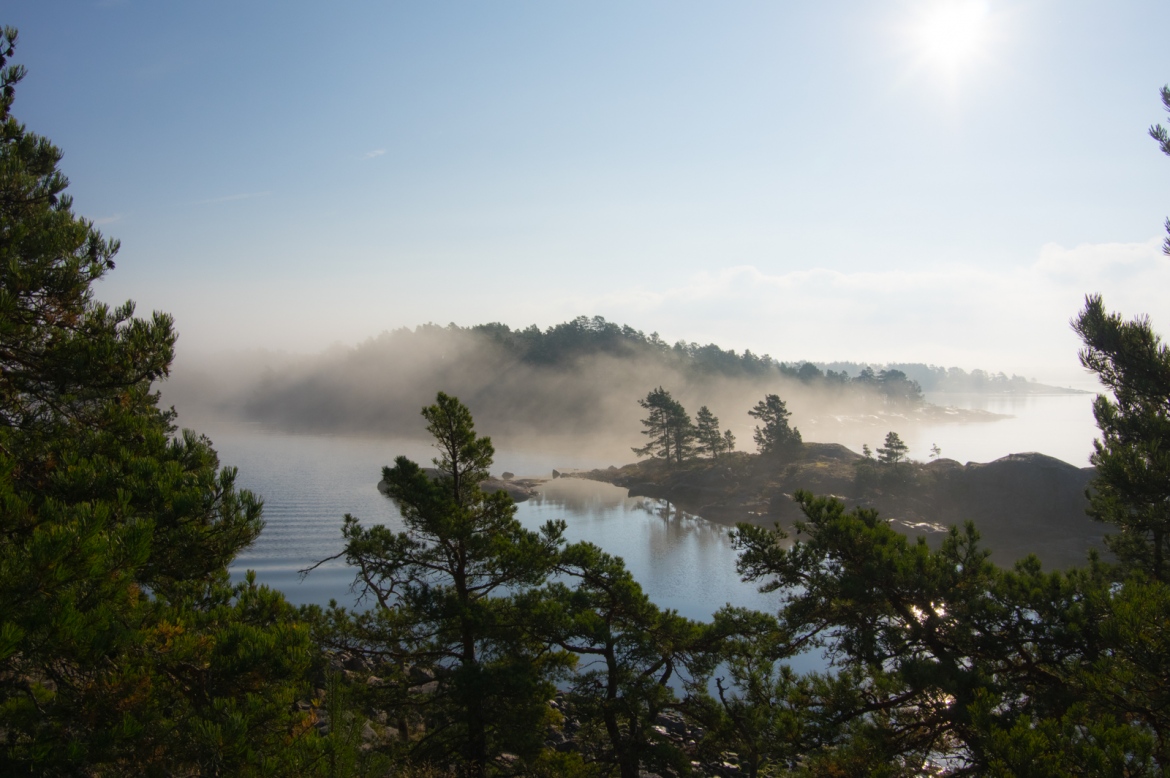
Nestled between the arching waves of the Baltic Sea, the Archipelago National Park (ANP) in Finland is a breathtaking mosaic of over 20,000 islands. Established in 1983, the park is not just a haven for outdoor enthusiasts but also a living testament to the region's rich cultural tapestry, interweaving Finnish, Russian, and Swedish influences.
History and Origins
The history of the Archipelago is deeply rooted in ancient maritime traditions. The islands have been inhabited for thousands of years, with archaeological evidence suggesting human presence as far back as the Stone Age. These early settlers were fishermen and hunters who thrived on the abundant resources the sea provided.
The more recent history of the islands began to take shape in the late 19th century, when fishing villages started to emerge. The establishment of ANP in 1983 was a significant milestone, aimed at preserving the unique landscapes and ecosystems found here. Today, the park serves as a sanctuary for numerous species, while also safeguarding the cultural heritage of the archipelago, ensuring that the stories of those who came before are not lost to the tides of time.
Art and Architecture
The architectural landscape of the Archipelago is as diverse as its history. Traditional Finnish wooden houses dot the islands, showcasing the region's craftsmanship and connection to nature. Many of these structures are painted in vibrant colors, creating a picturesque juxtaposition against the lush greenery and deep blue waters.
Art in the ANP is deeply intertwined with the sea. Local artists often draw inspiration from the stunning vistas, capturing the essence of the archipelago in their paintings and sculptures. One notable example is the Uto Lighthouse, built in 1865, which stands as a symbol of the archipelago's maritime heritage and serves as an inspiration for many creative works.
Local Culture and Traditions
The culture of the Archipelago is a delightful blend of Finnish customs and the influences of neighboring countries. The Midsummer Festival, celebrated around the summer solstice, is one of the most important events, where locals and visitors alike gather to enjoy traditional foods, dance, and celebrate the midnight sun.
Fishing remains a vital part of life here, and the annual Fishing Day celebrates this heritage with competitions and local delicacies. The locals take great pride in their craftsmanship, producing handmade goods such as textiles and pottery that reflect the natural beauty of their surroundings. These items often tell stories, serving as souvenirs that carry a piece of the archipelago’s spirit.
Gastronomy
The culinary offerings of the Archipelago are a reflection of its maritime roots. Local specialties include smoked fish, particularly salmon and herring, which are often served with boiled potatoes and fresh dill. The islands are also known for their rye bread, a staple that perfectly complements the region’s seafood.
A must-try dish is kalakeitto, a creamy fish soup made with fresh catch from the surrounding waters. For dessert, indulge in mustikkapiirakka, a delicious blueberry pie, which showcases the islands’ rich berry-picking traditions. Pair these meals with a glass of Finnish berry juice or a locally brewed craft beer for a true taste of the archipelago.
Lesser-known Curiosities
While many visitors flock to the more popular islands, hidden gems await those who venture off the beaten path. For instance, Jurmo Island, often overlooked, is a birdwatcher's paradise, home to rare species like the Eurasian oystercatcher.
Another fascinating aspect is the “Skerry Culture,” a way of life that revolves around living on the smaller, uninhabited islands, often during the summer months. Many families maintain summer cottages where they gather to fish, forage, and enjoy the serenity of the archipelago, a tradition that has been passed down for generations.
Additionally, the archipelago holds a unique ghost story connected to the old Houtskär Church, believed to be haunted by the spirit of a sailor lost at sea. Such tales add an element of mystery to the serene landscape.
Practical Visitor Information
The best time to visit the Archipelago National Park is during the summer months, from June to August, when the weather is warm and the islands are alive with activity. The long daylight hours provide ample opportunity for exploration, whether by kayak, bike, or on foot.
For those looking to immerse themselves in local culture, consider timing your visit to coincide with one of the many festivals. It's also wise to check the ferry schedules in advance, as they connect the islands and can vary seasonally.
When packing, don’t forget to bring comfortable walking shoes, a camera for the stunning landscapes, and perhaps a journal to capture your thoughts in this tranquil setting.
The Archipelago National Park is a captivating blend of history, culture, and natural beauty. Each island tells its own story, inviting visitors to explore and connect with a unique part of Finland’s heritage. To ensure you make the most of your visit, consider using the Secret World app to create a personalized AI itinerary tailored to your interests.
