

Nestled in the heart of Bogotá, the Museo Botero stands as a beacon of Colombian art and culture. Established in 2000, the museum showcases the extensive art collection donated by the renowned Colombian artist Fernando Botero. Known for his distinctive style of voluminous figures, Botero's collection is a treasure trove that not only highlights his own work but also features masterpieces from celebrated European artists like Pablo Picasso, Marc Chagall, Salvador Dalí, Pierre-Auguste Renoir, Henri Matisse, and Claude Monet. With 120 pieces in total, the collection offers a glimpse into both the evolution of art in Colombia and the international art scene from the 20th century to today.
History and Origins The origins of the Museo Botero are intertwined with the life and legacy of Fernando Botero, born in Medellín in 1932. After achieving international acclaim, Botero returned to Colombia with the desire to give back to his homeland. In 1998, he donated his collection to the Banco de la República, and two years later, the museum opened its doors in the beautifully restored Casa de la Moneda, a colonial building dating back to the 17th century. This site, once a mint, now houses not only Botero's collection but also serves as a cultural hub for exhibitions, educational programs, and community engagement.
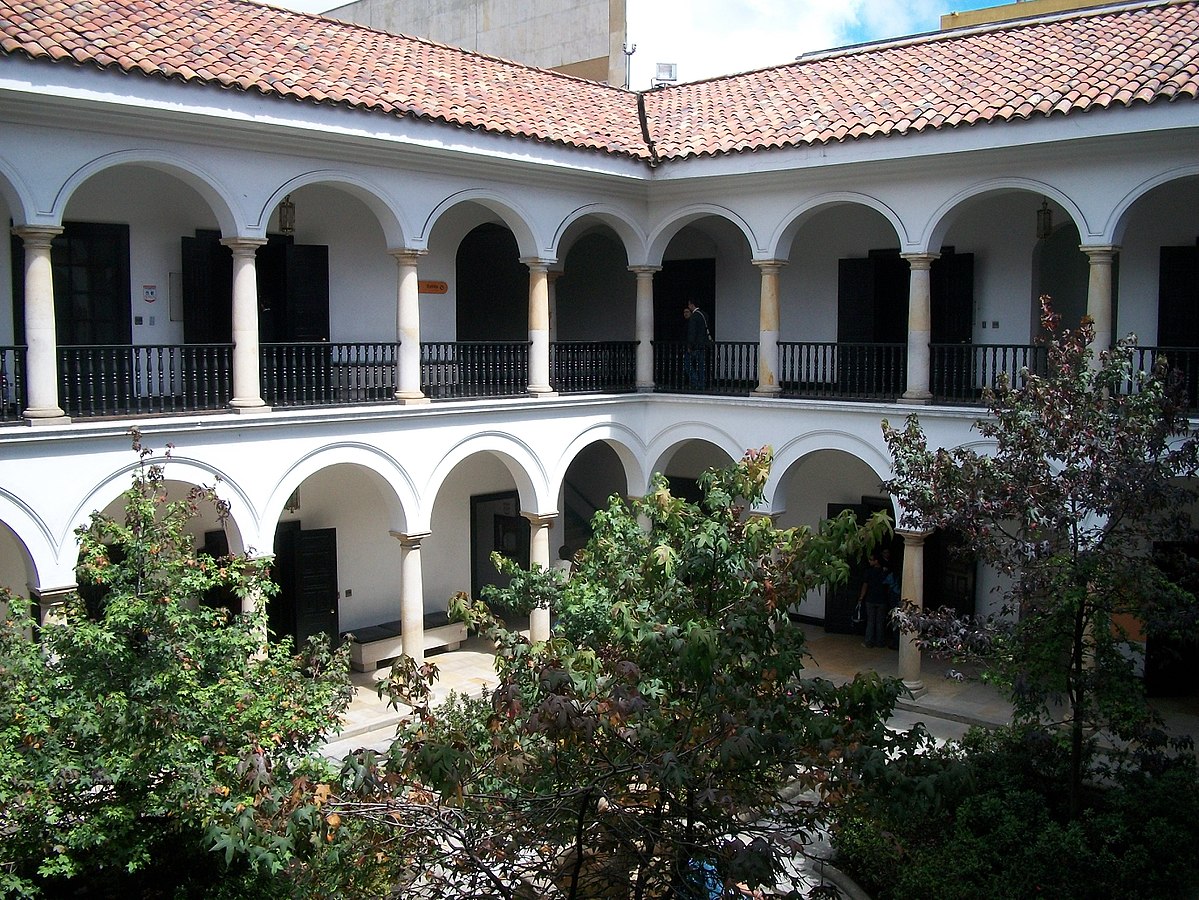
Art and Architecture Walking through the museum, visitors are struck by the architectural elegance of the Casa de la Moneda. The building features a blend of colonial and modern design, with spacious galleries that allow for an intimate viewing experience. The artworks themselves are a celebration of voluptuous forms, with Botero's pieces, including his famous “Man on Horseback” and “The Musicians”, drawing significant attention. The juxtaposition of Botero’s work with renowned pieces by Monet and Picasso offers a fascinating dialogue between styles and eras, showcasing the diversity of artistic expression.
Local Culture and Traditions Bogotá is a city steeped in rich traditions and vibrant culture, best experienced through its festivals and local customs. The Carnaval de Bogotá, held annually in August, is a celebration of music, dance, and color, drawing inspiration from both indigenous and Afro-Colombian heritage. Additionally, the Festival de Verano, which takes place in the summer, features outdoor concerts, sports events, and artistic performances, reflecting the city's dynamic cultural landscape. Visitors to the museum during these festive times can immerse themselves in the local culture, often finding art exhibits that resonate with the celebrations.
Gastronomy No visit to Bogotá is complete without savoring its culinary delights. Typical dishes such as ajiaco—a hearty chicken soup with potatoes and corn—and bandeja paisa, a generous platter featuring beans, rice, ground meat, and avocado, showcase the region's diverse flavors. Complement your meal with a cup of tinto, a traditional Colombian coffee, or try aguapanela, a sweet beverage made from panela (unrefined whole cane sugar) that’s enjoyed hot or cold. Many cafés and restaurants near the museum serve these local delicacies, allowing you to indulge in the flavors of Colombia.
Lesser-Known Curiosities While the Museo Botero is known for its prominent collection, there are several hidden gems within its walls. For instance, the museum often features temporary exhibitions that spotlight emerging Colombian artists, giving visitors a glimpse into the contemporary art scene. Additionally, the museum’s location in the La Candelaria neighborhood offers a unique opportunity to explore Bogotá’s historical center, with its cobblestone streets and colonial architecture. Another fascinating detail: Botero has donated works to multiple museums around the world, making him a significant cultural ambassador for Colombia.
Practical Visitor Information The best time to visit Museo Botero is during weekdays to avoid the weekend crowds. The museum is free of charge, making it accessible to all visitors. Plan to spend at least two hours exploring the galleries to fully appreciate the breadth of art on display. Don't forget to check the museum's schedule for temporary exhibitions, and consider taking a guided tour for deeper insights into the artworks. Photography is permitted in most areas, but be sure to respect any restrictions to preserve the art's integrity.
As you plan your visit to this cultural gem in Bogotá, consider using the Secret World app for a personalized itinerary that will enhance your experience of this vibrant city.


