
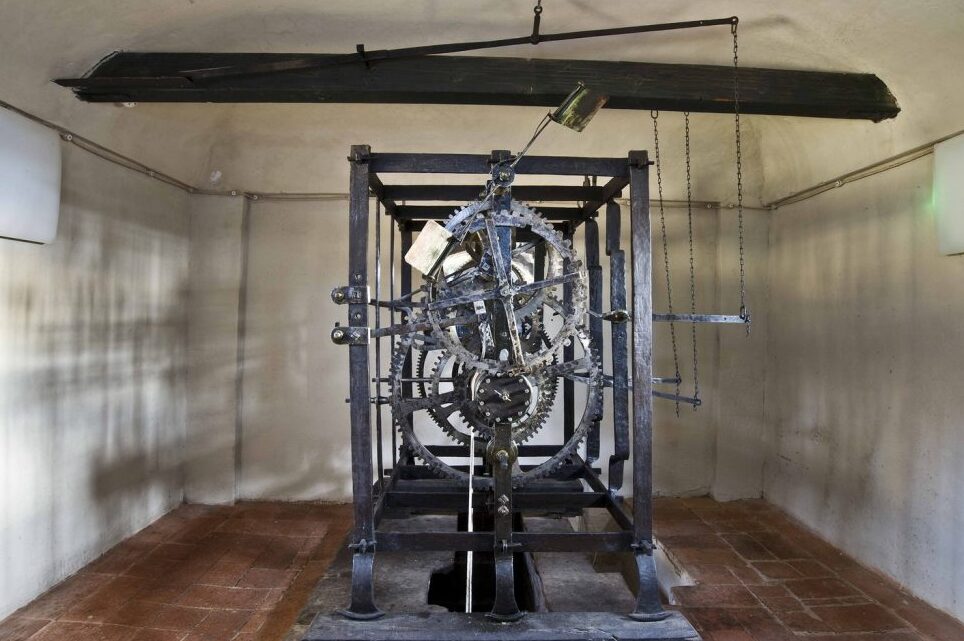

Nestled in the heart of Arezzo, Italy, the astronomical clock of the Fraternita dei Laici stands as a testament to the brilliance of Renaissance craftsmanship and celestial observation. Completed in 1552, this remarkable timepiece is not just an instrument for measuring hours but a stunning combination of art, science, and local lore.
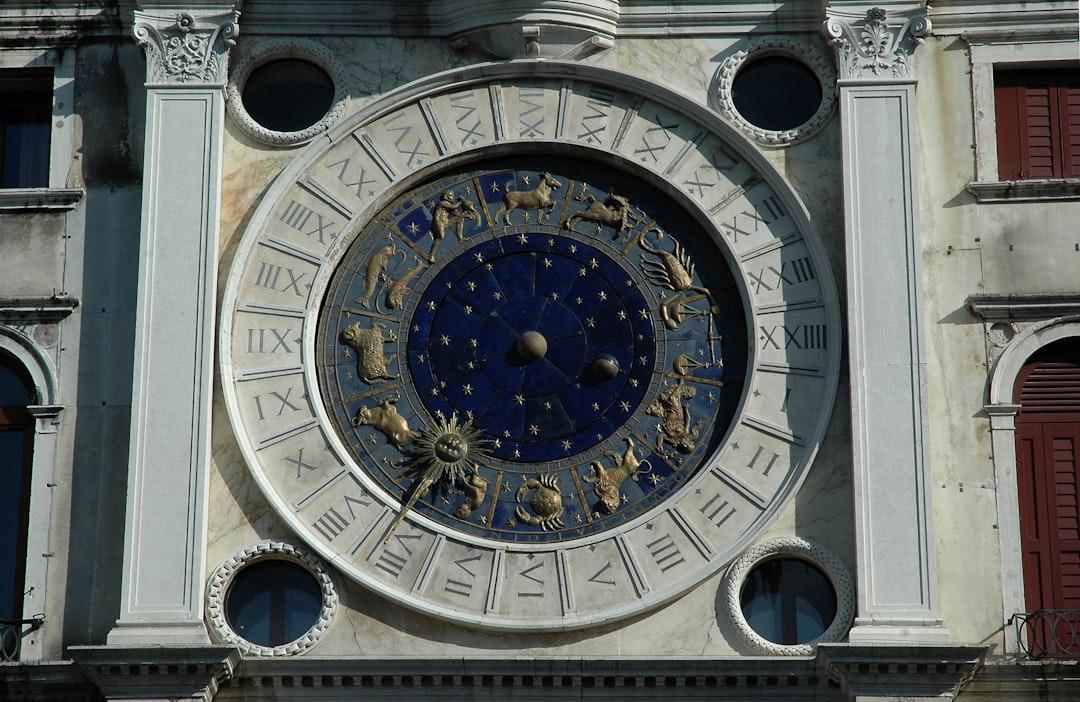
The origins of the Fraternita dei Laici date back to the late 13th century when it served as a charitable organization for the city's merchants and artisans. The Palazzo della Fraternita dei Laici, where the clock resides, was originally constructed in the 14th century and underwent various renovations, culminating in the addition of this astronomical marvel. Legend has it that Felice da Fossato, the master watchmaker responsible for this clock, faced a tragic fate—rumored to have been blinded or even murdered by his patrons to prevent him from replicating his work. This dark tale only adds to the mystique surrounding the clock, making it a significant piece of Arezzo's history.
Architecturally, the Palazzo della Fraternita dei Laici embodies a blend of Gothic and Renaissance styles, characterized by its elegant façade and intricate details. The clock itself features a striking wooden case adorned with vibrant frescoes depicting celestial themes. The mechanism is a marvel of engineering: it includes two-storey long ropes connected to boulders that act as counterweights, allowing a single hand to move and indicate time. This hand not only marks hours and half-hours but also orchestrates the bells that announce the passage of time to the townsfolk.
The clock's design reflects the Ptolemaic vision of the universe with the Earth at its center. The Sun and Moon, depicted as a golden sphere and a black sphere respectively, rotate around the Earth, with the Moon also spinning to illustrate its phases. For centuries, this clock has been more than just a timekeeper; it has guided farmers on when to sow and harvest, making it a vital part of local agricultural traditions.
Arezzo's cultural fabric is rich, woven with local customs, festivals, and art. The annual Giostra del Saracino, a historical jousting event held twice a year, is rooted in the town's medieval past and celebrates the spirit of Arezzo. The clock plays a subtle role in this vibrant tradition, as it marks the hours leading up to the festivities, reminding participants of the passage of time before the grand event. Visitors may also encounter locals dressed in historical costumes, adding to the town's charm and authenticity.
When it comes to gastronomy, Arezzo boasts a wealth of culinary delights reflective of its Tuscan roots. Local specialties include Pici, a hand-rolled pasta often served with a rich garlic and tomato sauce, and Cinghiale, a wild boar dish that showcases the region's love for hearty flavors. Pair your meal with a glass of Chianti, the famous red wine produced in the surrounding vineyards, and you’ll experience the true essence of Tuscan cuisine. Don’t miss out on Torta della Nonna, a traditional custard tart topped with pine nuts, which is a local favorite enjoyed during festive occasions.
For visitors eager to delve deeper into the secrets of the astronomical clock, a guided tour is a must. Every day at 5 p.m., the clock is wound manually, a ritual that has persisted for nearly 500 years. The guided tour, starting at 4:30 p.m., offers an intimate glimpse into this ancient mechanism, allowing you to witness the intricate workings that keep it alive. Look for the sundial adjacent to the clock—though it has lost its original function due to the addition of the pendulum, it stands as a reminder of the clock’s historical evolution.
Among the lesser-known curiosities of the Fraternita dei Laici clock is its remarkable ability to adapt and endure through centuries. Despite the technological advancements in timekeeping, it remains one of the last surviving hand-wound astronomical clocks in the world. The meticulous craftsmanship and dedication to preserving this clock have made it a cherished symbol of Arezzo’s heritage.
The best time to visit Arezzo is during the spring and early fall when the weather is mild, and the city is alive with local festivals. Plan your visit to coincide with the Giostra del Saracino for an immersive experience of Arezzo's vibrant traditions.
As you wander through the streets of Arezzo and marvel at the astronomical clock of the Fraternita dei Laici, consider how this unique piece of history connects the past with the present, echoing the rhythms of life throughout the ages. For a personalized journey through this enchanting town, use the Secret World app to create your ideal itinerary.


