




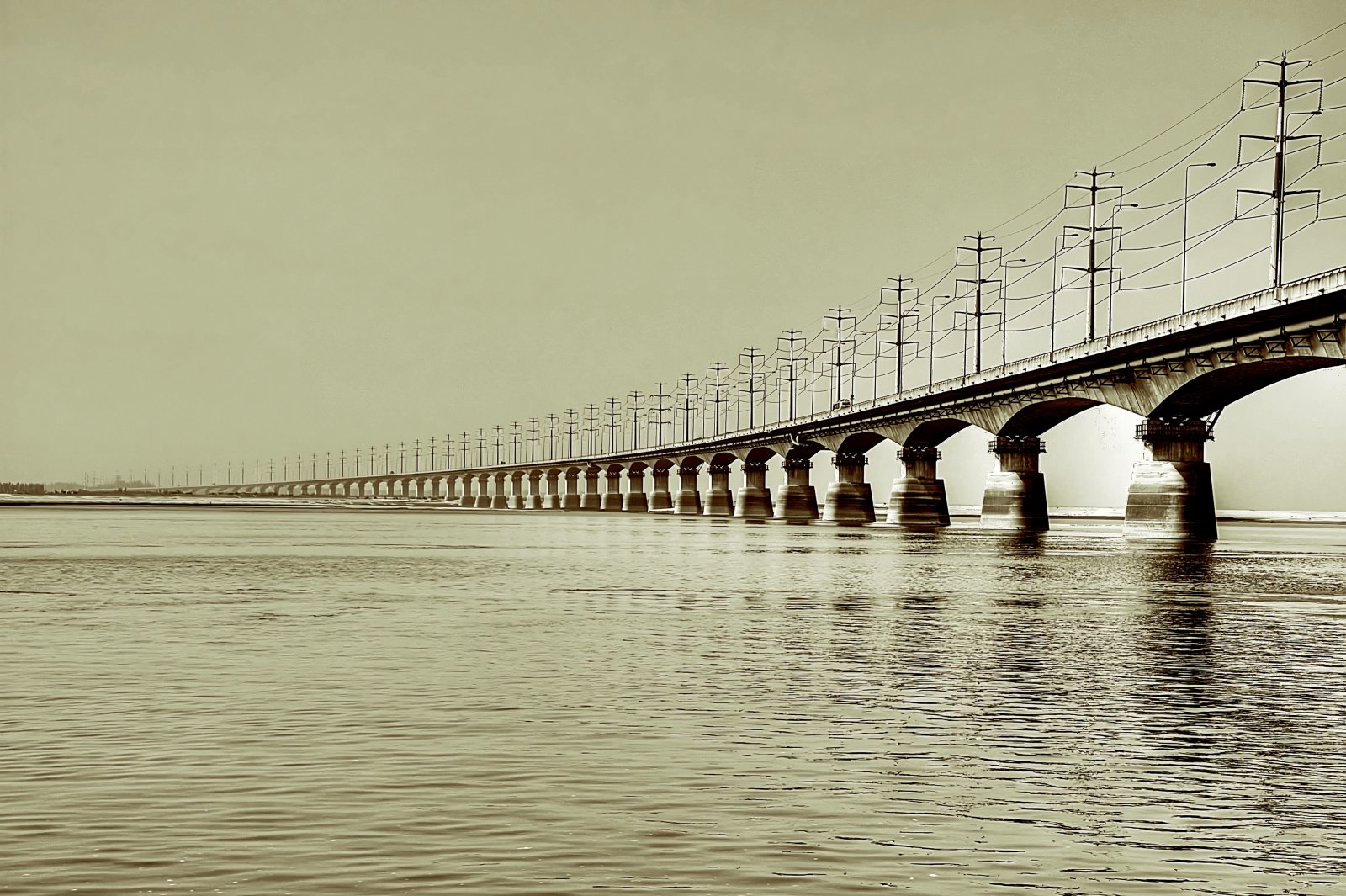
The Bangabandhu Bridge, also known as the Jamuna Multi-purpose Bridge, is not merely a feat of engineering; it is a symbol of progress and connectivity for the people of Bangladesh. Spanning the Jamuna River, this impressive structure connects Bhuapur on the east bank to Sirajganj on the west, facilitating the movement of goods and people across one of the country’s most vital waterways. Opened in June 1998, the bridge has since become an iconic landmark, representing the aspirations of a nation striving towards modernization.
### History and Origins
The history of the Bangabandhu Bridge is intertwined with the broader narrative of the Jamuna River and its role in the lives of the Bangladeshi people. The river has been a lifeline for centuries, serving as a trade route and a source of sustenance. However, crossing it has long been a challenge, particularly during the monsoon season when flooding can render traditional ferry services unreliable or dangerous.

The idea for a bridge over the Jamuna River gained momentum in the late 1980s, amid growing concerns over transportation bottlenecks and the desire for enhanced connectivity between the east and west of Bangladesh. The project was officially launched in 1991, named after Bangabandhu Sheikh Mujibur Rahman, the founding leader of Bangladesh. The bridge was designed to not only support road traffic but also to accommodate the Trans-Asian Railway, reinforcing Bangladesh's role as a critical junction in international transportation networks.
### Art and Architecture
Boasting a length of 5.63 kilometers, the Bangabandhu Bridge was the 11th longest bridge in the world at the time of its completion. Its architectural style is a blend of functionality and aesthetic appeal, characterized by 47 main spans and a total width of 18.5 meters. The bridge utilizes a balanced cantilever design, allowing it to withstand the dynamic forces exerted by the river's flow and the traffic above.
The bridge’s design earned it a British Design Council Award, reflecting its significance not just as a transportation link, but as a work of architectural art. Visitors can appreciate the intricate details of the bridge's structure, from its robust supports to the elegant lines that stretch across the river, creating a striking silhouette against the backdrop of the Bangladeshi sky.
### Local Culture and Traditions
The regions surrounding the Bangabandhu Bridge are rich in culture and tradition. Tangail, the district where the bridge is located, is known for its vibrant local customs, including the famous Tangail saree, which has become synonymous with the area’s craftsmanship. Festivals such as Pahela Baishakh (Bengali New Year) and Eid al-Fitr see locals coming together in celebration, showcasing traditional music, dance, and cuisine.
The bridge itself has become a venue for community events, serving as a gathering point for celebrations and a stage for local artists and performers. Its presence has fostered a sense of unity among the residents of Bhuapur and Sirajganj, who now enjoy easier access to each other's cultural offerings.
### Gastronomy
No visit to the area would be complete without indulging in the local gastronomy. The regions flanking the Bangabandhu Bridge are known for their delicious Bengali cuisine, which is characterized by a rich blend of spices and fresh ingredients. Visitors can savor dishes like Panta Bhat (fermented rice), served with fried hilsa fish, and Shorshe Ilish (hilsa fish cooked in mustard sauce), both of which are favorites among locals.
Street food vendors along the bridge often serve up fuchka (a type of crispy shell filled with spicy tamarind water) and chotpoti (a spicy chickpea dish), offering a taste of the vibrant street food culture that thrives in this region. As you explore, don’t miss the chance to sip on lassi, a refreshing yogurt-based drink that complements the spicy flavors of the local fare.
### Lesser-known Curiosities
While the Bangabandhu Bridge is a well-known landmark, there are hidden stories that many visitors may overlook. For instance, the bridge has served as a backdrop for various films and documentaries that highlight the beauty of Bangladesh. Additionally, the bridge is often illuminated at night, creating a stunning visual that reflects in the waters of the Jamuna River, offering a picturesque scene for photography enthusiasts.
Another intriguing aspect is the engineering challenge posed by the river's seasonal flooding. The construction team had to innovate ways to ensure the bridge's stability during these times, leading to advancements in engineering techniques that have benefited subsequent infrastructure projects across the country.
### Practical Visitor Information
The best time to visit the Bangabandhu Bridge is during the cooler months, from November to February, when the weather is pleasant for outdoor exploration. It is advisable to visit early in the morning or late in the afternoon to avoid the heat and witness breathtaking views at sunrise or sunset.
When planning your visit, take time to explore the surrounding areas, as they offer a glimpse into the rural life of Bangladesh. Look out for local artisans showcasing their crafts, and don’t hesitate to engage with the friendly locals who are often eager to share their stories.
For those keen on experiencing the rich tapestry of life around the Bangabandhu Bridge, consider using the Secret World app to plan a personalized AI itinerary that caters to your interests in Tangail.
