
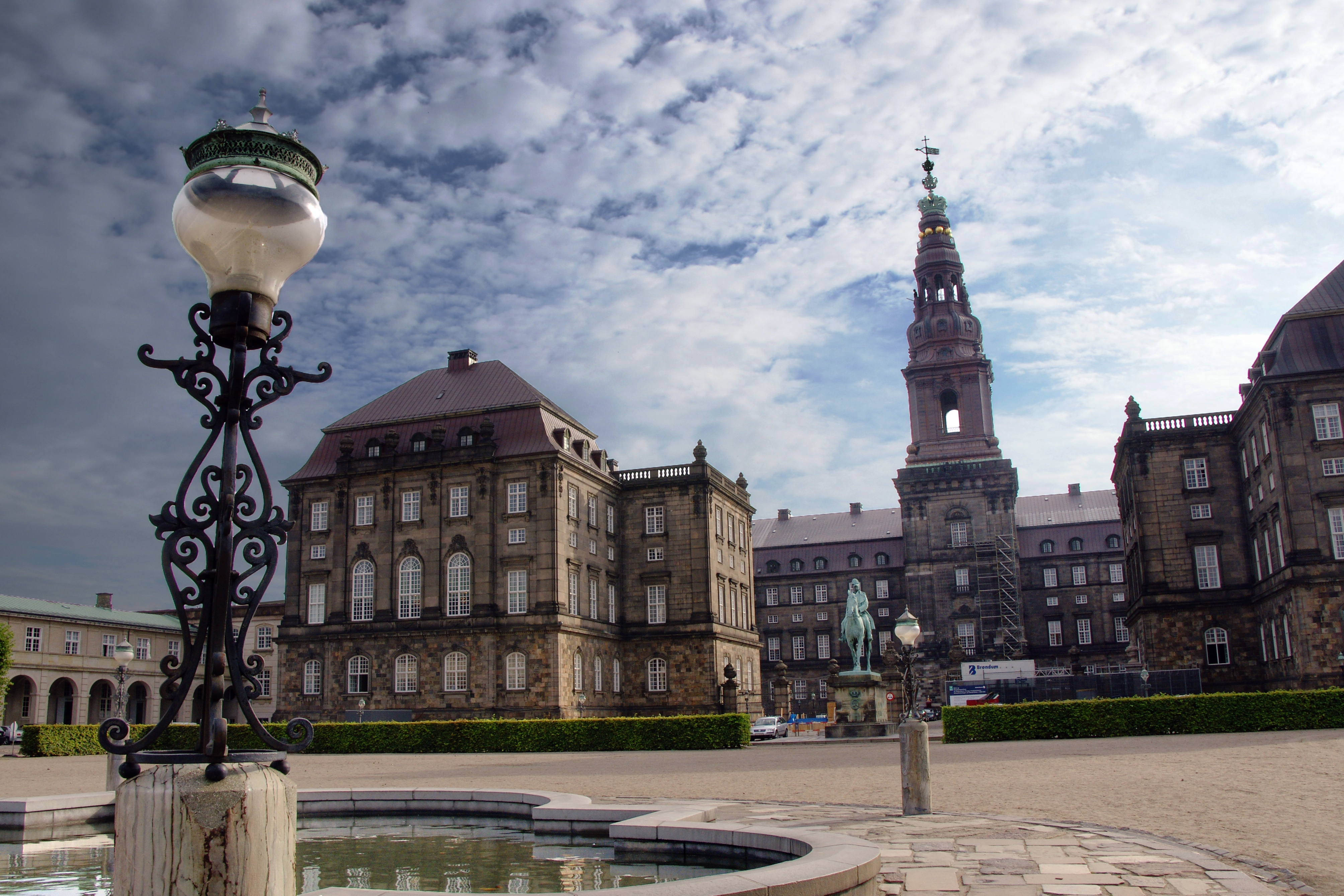

The Baroque Christiansborg Palace stands as a monumental testament to Denmark's rich history, architecture, and culture. Nestled on the island of Slotsholmen in Copenhagen, this iconic structure has been a pivotal site since its inception in the early 12th century. Originally built as a fortress by Bishop Absalon, the palace has undergone several reconstructions, reflecting the tides of Danish history. The current Baroque design, completed in the late 17th century under King Christian VI, showcases intricate details and grand scale, making it a highlight for architecture enthusiasts.
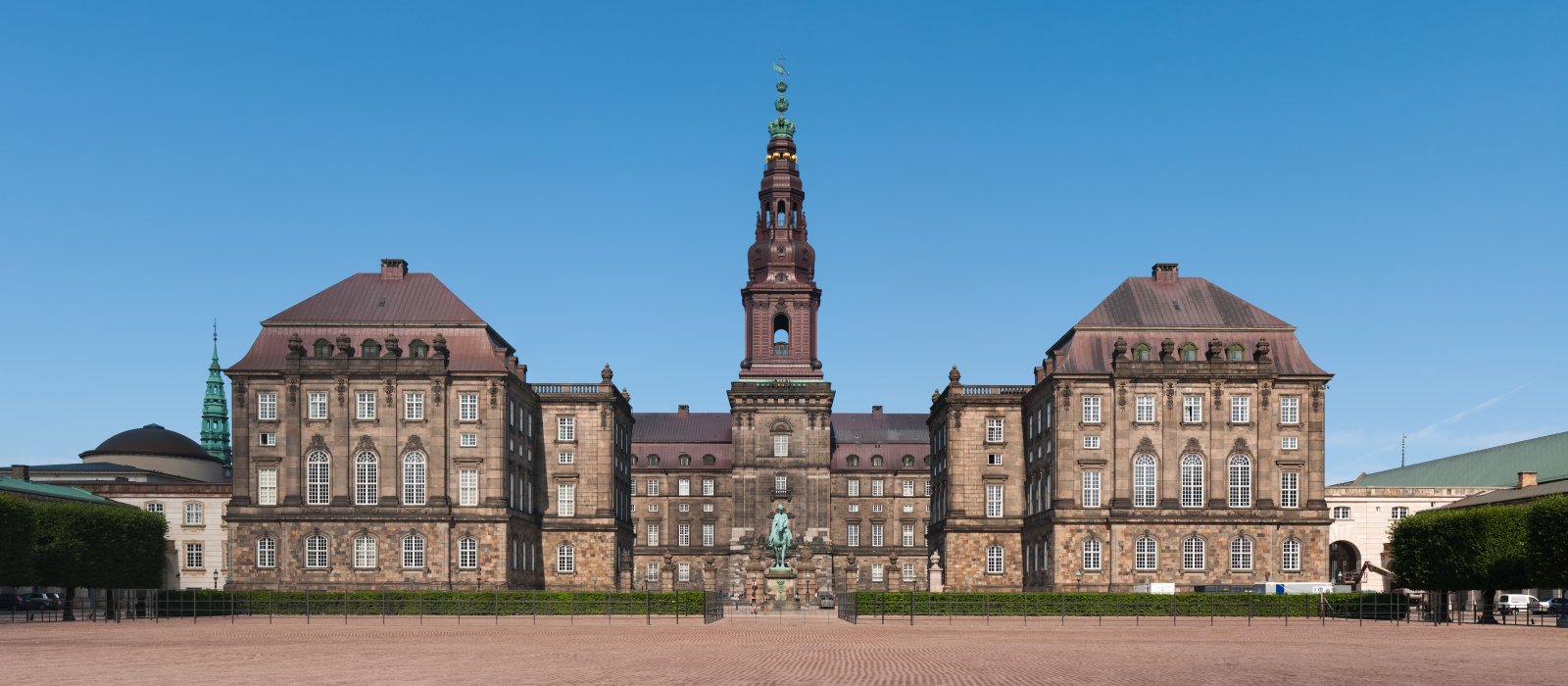
The palace's historical significance is deeply woven into the fabric of Denmark. After being the royal family's primary residence until 1794, it transitioned to house the Danish Parliament, the Prime Minister’s Office, and the Danish Supreme Court. This duality of royal and governmental functions emphasizes Christiansborg's role as the heart of Danish democracy.
Visitors are often struck by the stunning architectural features, including the Royal Reception Rooms, the impressive Great Hall, and the soaring Tower of Christiansborg, which offers panoramic views of the city. The interiors are adorned with exquisite artworks, including tapestries and portraits of Danish royalty, created by renowned artists like Ferdinand G. W. H. D. Jørgensen, adding layers of artistic significance to this already captivating site.

Copenhagen's local culture is palpable within the walls of Christiansborg. The palace hosts various events and ceremonies that reflect Danish traditions, such as annual celebrations of the Queen's Birthday and the New Year's Reception, where the royal family interacts with the public. These events highlight the enduring connection between the monarchy and the Danish people, fostering a sense of national pride.
When it comes to gastronomy, the palace's proximity to the vibrant food scene of Copenhagen cannot be overlooked. While Christiansborg itself does not feature dining facilities, nearby eateries serve traditional Danish fare. Must-try dishes include smørrebrød (open-faced sandwiches), frikadeller (meatballs), and the famous Danish pastry. For drinks, indulge in a glass of akvavit, a traditional Scandinavian spirit, often enjoyed with a meal.
Beyond its grandeur, Christiansborg Palace holds lesser-known curiosities. It is home to the Danish Parliament's secret room, which is said to be accessible only to a select few and holds documents that could change the course of Danish history. Additionally, the palace's tower is the tallest in Copenhagen, making it a prime location for those keen on photography and capturing breathtaking cityscapes.
The best time to visit Christiansborg is during spring and summer, from May to August, when the weather is pleasant and the gardens surrounding the palace are in full bloom. Early mornings or late afternoons provide the ideal light for photography, and fewer crowds allow for a more intimate experience. Visitors should definitely take the time to explore the Royal Stables and the Palace Chapel, where intricate details and historical artifacts abound.
For an in-depth experience, consider joining a guided tour, which reveals hidden stories and insights not available through standard audio guides. Don't forget to look up as you walk through the halls; the ceilings are as breathtaking as the artwork on the walls.
Christiansborg Palace isn't just a monument; it's a living piece of history that captures the essence of Denmark's past and present. For a truly personalized experience in Copenhagen, consider using the Secret World app to craft an itinerary that resonates with your interests.


