



Perched majestically on the cliffs of Algiers, The Basilica of Our Lady of Africa commands the horizon with its striking presence. This architectural gem not only serves as a testament to faith but also as a vibrant tapestry of history and culture woven into the urban fabric of Bologhine, Algeria. Its vantage point offers breathtaking views of the Bay of Algiers, a fitting backdrop for a sanctuary that is both a spiritual haven and a cultural landmark.
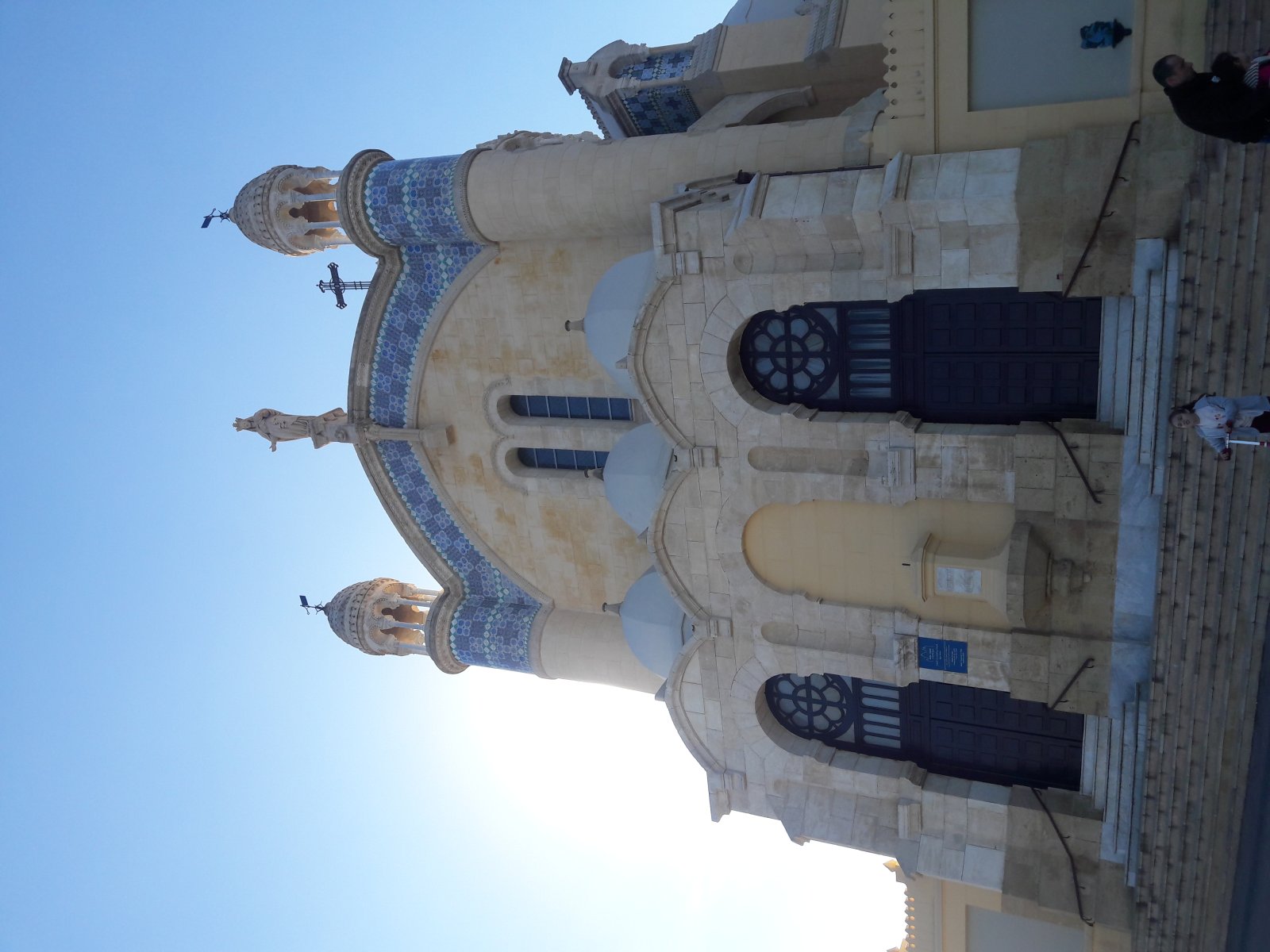
The history of Notre Dame d’Afrique is deeply intertwined with the colonial era. The idea for the basilica was conceived by Charles Lavigerie, the Archbishop of Algiers, who envisioned a place of worship that would embody the reconciliation between different cultures and religions. Construction began in 1858 and, after fourteen years of meticulous work, the basilica was consecrated in 1872. Its dedication was a significant event, marking a period of religious and cultural intersection in a region historically influenced by both European and African traditions.
Architecturally, the basilica is a masterpiece of Neo-Byzantine design, a style that merges classical Byzantine elements with Romantic and Moorish influences. Its dome, adorned with intricate mosaics and the Latin inscription “Nôtre Dame d’Afrique priez pour nous et pour les Musulmans” (“Our Lady of Africa, pray for us and for the Muslims”), reflects the basilica’s mission of unity. The interior is a sanctuary of art, featuring stained glass windows that narrate biblical stories and a stunning statue of the Virgin Mary, which is a focal point of devotion. The lavish use of marble, gold leaf, and richly colored tiles creates an atmosphere of serene grandeur.

The basilica is not just a religious edifice but a beacon of cultural significance in Algiers. The local community holds Our Lady of Africa in high regard, celebrating her feast day on April 30 with fervent devotion. This event draws pilgrims from across the region, underscoring the basilica’s role as a spiritual nexus. The festivity is characterized by vibrant processions, traditional music, and shared meals, fostering a sense of unity and cultural continuity among attendees.
A visit to the basilica is also an opportunity to indulge in the flavors of Algiers. The Kasbah, a UNESCO World Heritage site nearby, offers a culinary journey through Algerian cuisine. Visitors can savor traditional dishes such as couscous, often served with lamb or chicken, and spiced with ras el hanout, a fragrant blend of spices. The local markets brim with fresh produce, and the aroma of mint tea—a staple drink—fills the air, inviting you to pause and relish the moment.
Beyond its grand facade and rich history, the basilica holds lesser-known curiosities. Visitors might be surprised to find a small museum within its premises, displaying artifacts and photographs that chronicle the basilica’s construction and its role in the community. Another hidden gem is the crypt below, a serene space for reflection often missed by the casual observer. The basilica also stands as a symbol of tolerance and dialogue, with a history of welcoming visitors from diverse faiths, highlighting its commitment to peace and understanding.
For those planning a visit, the best time to explore Notre Dame d’Afrique is during the spring months of March to May, when the weather is mild and the surrounding gardens are in full bloom. Arriving early in the day ensures a peaceful experience before the crowds gather. As you approach, take a moment to appreciate the panoramic view of the Bay of Algiers, a sight that is as mesmerizing as the basilica itself. Inside, allow yourself to linger over the details—the play of light through the stained glass, the peaceful aura of the prayer niches, and the harmonious blend of cultural motifs.
Whether you're an architecture enthusiast, a history buff, or a spiritual seeker, The Basilica of Our Lady of Africa offers a profound experience. It stands as a monument to the enduring spirit of Algiers, a city where history, art, and faith converge, leaving an indelible mark on all who visit.
