
← Back

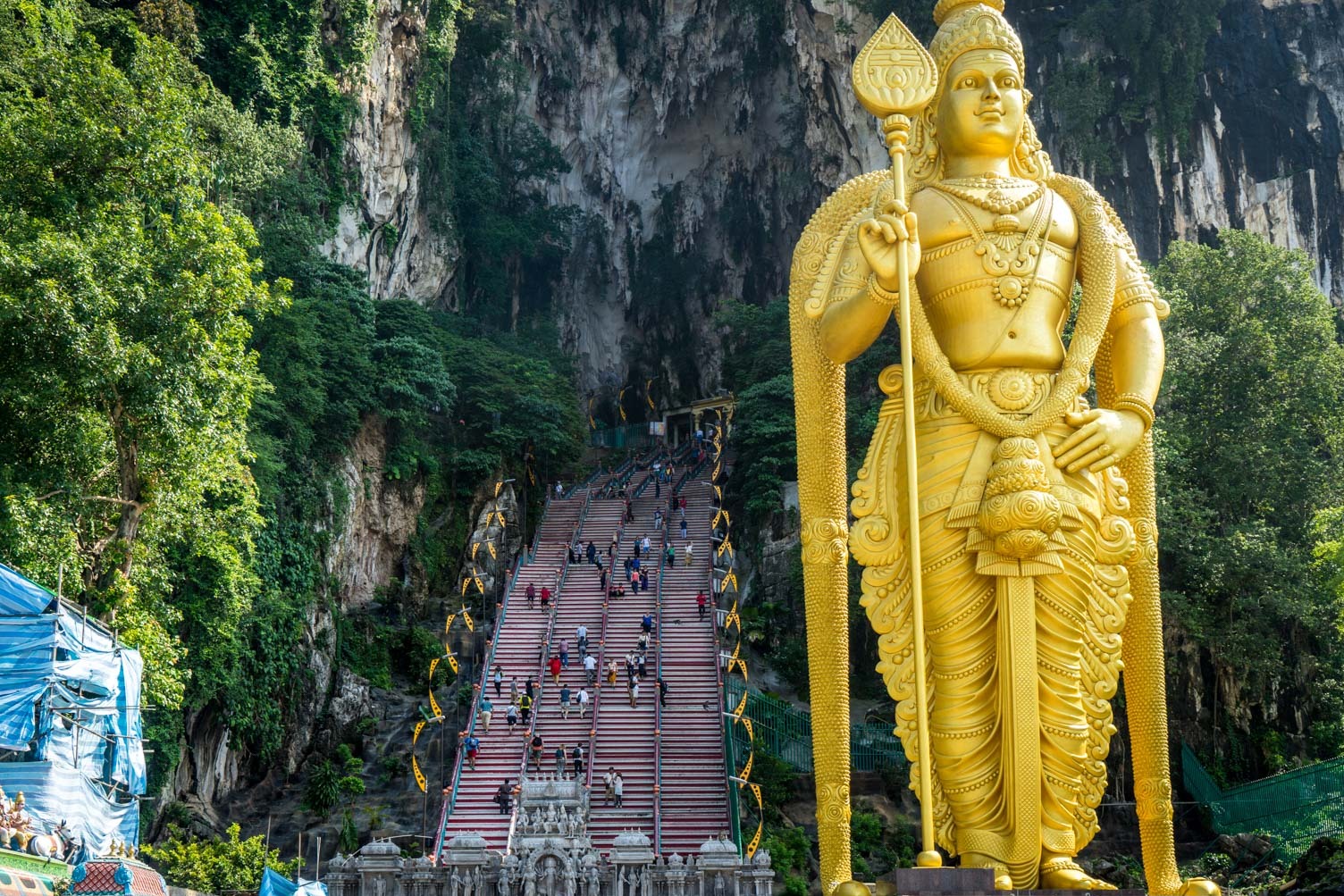
The Batu Caves Temple, near Kuala Lumpur

68100 Batu Caves, Selangor, Malesia ★★★★☆ 946 views
Serena Taddei
Batu Caves
🏆 AI Trip Planner 2026

Get the free app

Discover the best of Batu Caves with Secret World — the AI trip planner with 1M+ destinations. Get personalized itineraries, hidden gems and local tips. Free on iOS & Android.

🧠 AI Itineraries 🎒 Trip Toolkit 🎮 KnowWhere Game 🎧 Audio Guides 📹 Videos
Download on the App Store Get it on Google Play
Scan to download Scan to download
The Batu Caves Temple, near Kuala Lumpur - Batu Caves | Secret World Trip Planner

Rising majestically from the lush greenery, the Batu Caves Temple is a breathtaking sight that captivates millions each year. Situated just fifteen kilometers north of Kuala Lumpur, this temple is not only the most significant Hindu pilgrimage site in Southeast Asia, but also a vibrant reflection of the region's cultural tapestry.

### History and Origins The Batu Caves have a history that dates back over 400 million years, formed from ancient limestone. Discovered in 1859 by a British explorer named William Hornaday, the caves soon attracted the attention of local Hindu communities. It was in 1859 that the first temple was established in the Cathedral Cave, dedicated to Muruga, the son of Shiva and Parvati. This site was chosen for its natural beauty and spiritual ambiance, making it an ideal venue for worship. Over the years, it has become the focal point of the Thaipusam festival, during which devotees undertake a pilgrimage to seek blessings.

### Art and Architecture The temple complex is renowned for its stunning blend of natural and architectural beauty. The Cathedral Cave, also known as the Temple Cave, boasts an impressive height of 100 meters with a ceiling adorned with intricate carvings and vibrant murals depicting various Hindu deities. The entrance to the cave is marked by a colossal statue of Lord Muruga, standing at 42.7 meters, making it the tallest statue of a Hindu deity in Malaysia. This golden statue is not just an artistic marvel; it symbolizes the triumph of good over evil and serves as a beacon of faith for millions.

### Local Culture and Traditions The Batu Caves are a vital part of the local culture, especially among the Tamil Hindu community. Each year, the site attracts approximately 1.5 million visitors during the Thaipusam festival, where devotees perform acts of penance, including carrying kavadis—elaborate structures decorated with flowers and peacock feathers. The festival is a kaleidoscope of colors, sounds, and emotions, reflecting the devotion of the participants. Additionally, the caves host a variety of smaller shrines, each reflecting the rich traditions and rituals of Hindu worship.

### Gastronomy No visit to the Batu Caves is complete without indulging in the local flavors of Malaysia. Popular among visitors is the banana leaf rice, a traditional meal served on a banana leaf, accompanied by an array of curries and vegetables. After exploring the caves, many tourists also enjoy murukku, a crunchy snack made from rice flour and lentils, and teh tarik, a sweetened pulled tea that is a Malaysian favorite. Local vendors near the entrance provide a delightful array of vegetarian options that cater to the dietary preferences of pilgrims.

### Lesser-known Curiosities While the grandeur of the Batu Caves is widely recognized, there are hidden gems that many tourists overlook. For instance, the Dark Cave, located adjacent to the main temple, is a fascinating ecosystem home to unique species of bats and insects, some of which are endemic to the area. Additionally, the caves were once used as a hideout during World War II, showcasing their historical significance beyond religious practices. Visitors often miss the chance to explore these lesser-known sections, which offer insights into both the natural world and the cave's storied past.

### Practical Visitor Information The best time to visit the Batu Caves is during the early morning or late afternoon to avoid the heat and crowds. Weekdays are typically less busy than weekends. When climbing the famous 272 steps to the Cathedral Cave, wear comfortable shoes and stay hydrated. Don't forget to take a moment to admire the view from the top, which offers a panoramic glimpse of the surrounding landscape.

In conclusion, a visit to the Batu Caves Temple is not just a journey to a religious site but an exploration of the rich history, art, and culture that define this remarkable location. For those looking to make the most of their experience, consider using the Secret World app to plan a personalized AI itinerary to visit the Batu Caves.

Buy Unique Travel Experiences

Powered by Viator

See more on Viator.com
