
← Back

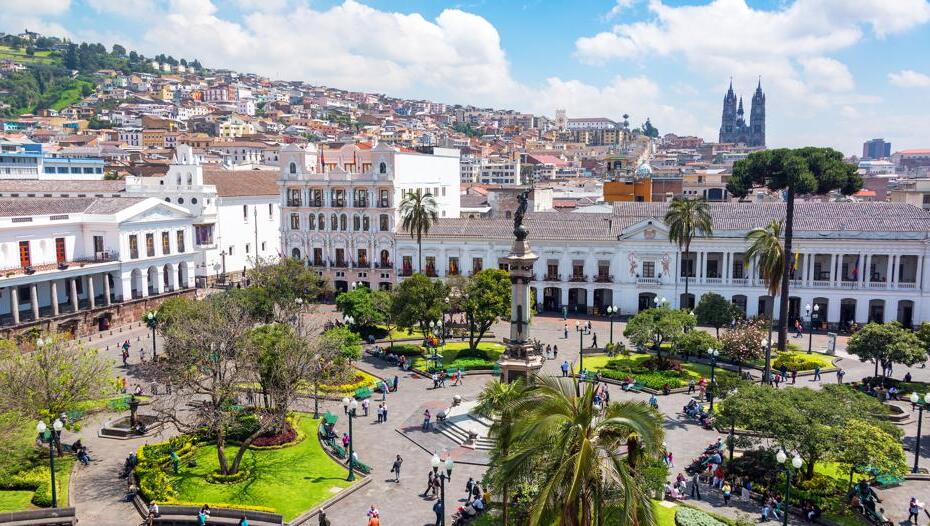
The beautiful Plaza de la Independencia in Quito

and Chile St Venezuela, García Moreno, Quito 170401, Ecuador ★★★★☆ 624 views
Miriam Agreeste
Quito
🏆 AI Trip Planner 2026

Get the free app

Discover the best of Quito with Secret World — the AI trip planner with 1M+ destinations. Get personalized itineraries, hidden gems and local tips. Free on iOS & Android.

🧠 AI Itineraries 🎒 Trip Toolkit 🎮 KnowWhere Game 🎧 Audio Guides 📹 Videos
Scan to download iOS / Android
Scan for AppGallery Huawei users

About The beautiful Plaza de la Independencia in Quito

The beautiful Plaza de la Independencia in Quito - Quito | Secret World Trip Planner

Plaza de la Independencia, colloquially known as Plaza Grande, is where Quito’s daily life and historic and national symbolism collide. Spiked with palm trees and dotted with locals going about their business, the central element of the square, and an icon of the city, is the monument to the independence heroes of August 10, 1809. This is the date celebrated as the First Cry of Independence of the Royal Audience of Quito from the Spanish monarchy, perhaps the most important event in the formation of the modern country. At the heart of both the political and religious ambits of the city, the square is worthy not only of a pass-through, but of a few hours spent soaking in Quito life.Surrounded by four buildings that underscore the historical influence of religion and government on Ecuadorian culture (the Presidential Palace, the Municipal Palace, the Archbishop’s Palace, and the Cathedral of Quito), La Plaza de Independencia, as it is also known, is one of the city’s best people-watching spots.The square is also rich in history. At its center, it features a statue of the Heroes of the Independence. Commissioned in 1899 and unveiled in 1906, the memorial symbolizes the country’s victory in its war for independence from Spain.

Buy Unique Travel Experiences

Powered by Viator

See more on Viator.com

Frequently Asked Questions

Plaza de la Independencia, also known as Plaza Grande, commemorates August 10, 1809, celebrated as the First Cry of Independence of the Royal Audience of Quito from Spanish rule—one of the most pivotal events in Ecuador's formation as a modern nation. At its center stands a monument to the independence heroes, commissioned in 1899 and unveiled in 1906, symbolizing the country's victory in its war for independence.
The square is surrounded by four iconic buildings that reflect Ecuador's historical influence of religion and government: the Presidential Palace, the Municipal Palace, the Archbishop's Palace, and the Cathedral of Quito. These structures underscore the deep connection between political and religious institutions in Ecuadorian culture and make the plaza the heart of both civic and spiritual life in the city.
Yes, Plaza de la Independencia is considered one of Quito's best people-watching spots, with locals constantly going about their daily business among palm trees and historic monuments. The square is worth more than just a quick pass-through; spending a few hours here allows you to soak in authentic Quito life and observe how the city's residents interact with this culturally significant space.
The central element and iconic feature of the square is the monument to the independence heroes of August 10, 1809, which was commissioned in 1899 and unveiled in 1906. This statue stands as a powerful symbol of Ecuador's independence from Spain and is surrounded by palm trees, making it the visual and spiritual heart of the plaza.
While it's possible to quickly walk through the plaza, travel experts recommend spending at least a few hours to fully appreciate the historical significance and experience the daily life unfolding there. This timeframe allows you to observe the monument, admire the surrounding historic buildings, and absorb the cultural atmosphere that makes this square central to Quito's identity.
