



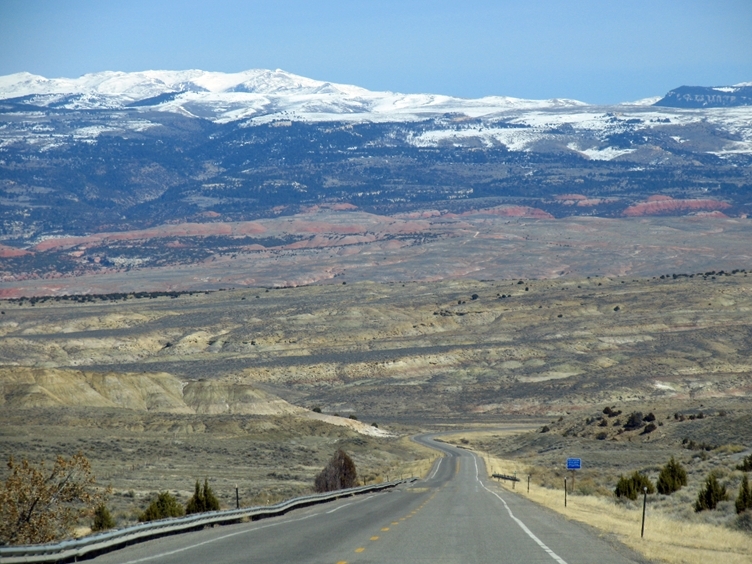
The Big Horn Mountains, a stunning range extending from the plains of Wyoming into south-central Montana, is a haven for adventure seekers and nature lovers alike. These mountains, shaped by ancient geological forces, tell a story that dates back millions of years, featuring rugged peaks and deep valleys that have witnessed the passage of time.
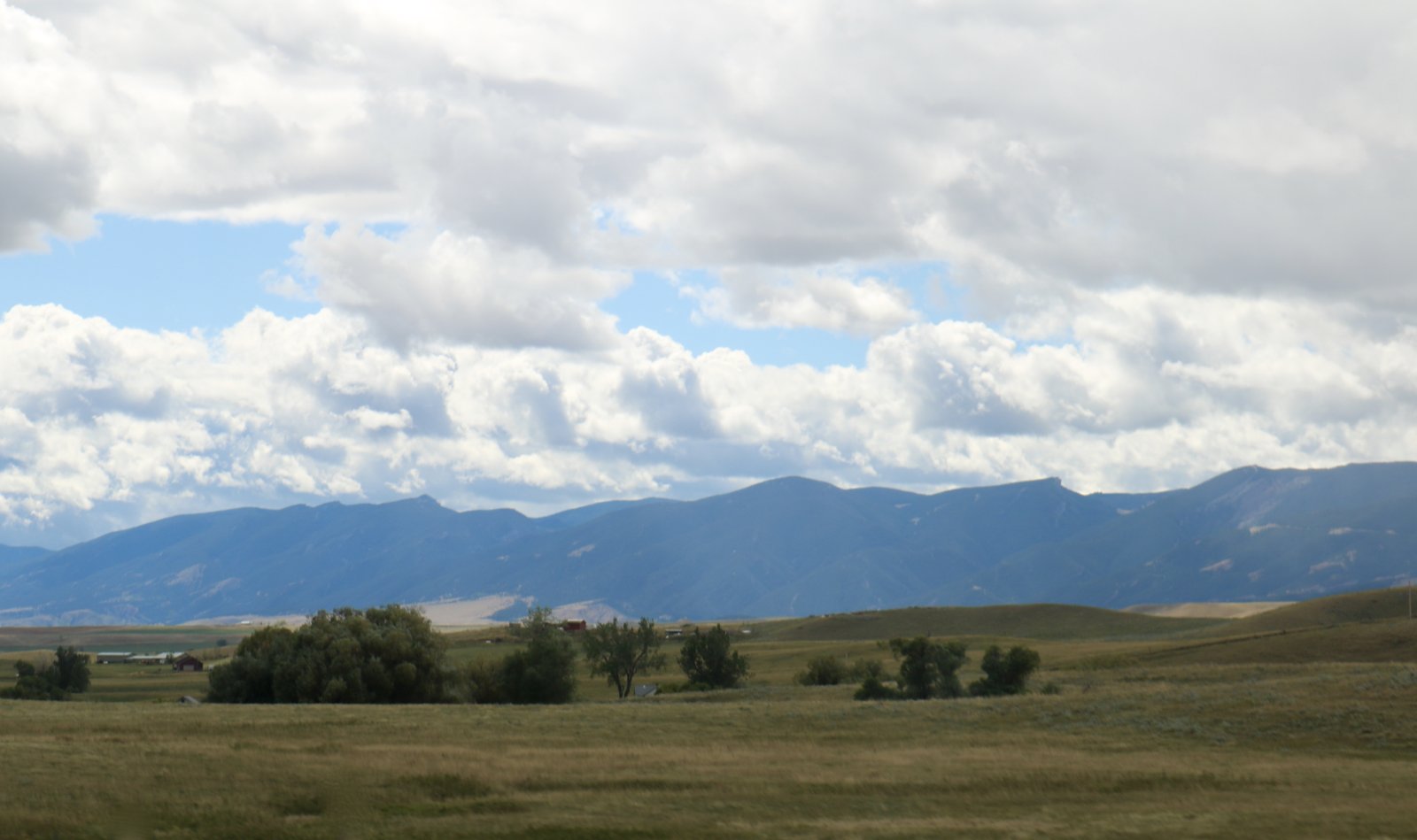
### History and Origins The Big Horn Mountains have a rich history intertwined with the ancient inhabitants of the region. Native American tribes, including the Crow and Shoshone, roamed these lands, drawing sustenance and inspiration from its natural bounty. European explorers, such as John C. Frémont, traversed this mountainous terrain in the mid-19th century, mapping its rugged beauty and paving the way for settlers eager to claim the land’s resources.
In 1897, the establishment of the Bighorn National Forest marked a significant turning point in the region’s history, as it aimed to preserve the unique ecosystem while promoting sustainable recreation. Today, the forest spans over 1.1 million acres, showcasing the incredible biodiversity and geological features that define the Big Horn Mountains.

### Art and Architecture While the Big Horn Mountains may not boast traditional architectural landmarks, their artistry lies in the natural formations and the cultural artifacts left by Indigenous peoples. Petroglyphs etched into rock faces can be found throughout the region, telling stories of ancient rituals and daily life. The Medicine Wheel, a sacred site located at 9,642 feet elevation, is a striking circular structure made of stone that has spiritual significance for many Native American tribes. Its alignment with celestial bodies showcases the profound connection between the land and its original inhabitants.
### Local Culture and Traditions The culture surrounding the Big Horn Mountains is steeped in Native American traditions, with a modern twist from the ranching and outdoor communities that flourish here. Festivals such as the Bighorn Sheep Festival in Fort Smith celebrate the region’s natural wildlife, featuring art exhibits, live music, and local cuisine that bring together residents and visitors alike.
Additionally, the annual Bighorn Mountain Wild & Scenic Film Festival showcases films focused on outdoor adventure and environmental conservation, embodying the spirit of the area and emphasizing the importance of preserving its natural beauty.
### Gastronomy The culinary scene in the Big Horn Mountains is a delightful reflection of its geography. Local fare includes bison, a staple of the region, often found in dishes such as bison burgers and steaks. Trout, harvested from the pristine streams and lakes, is a favorite among locals and visitors, often prepared in rustic style over campfires or served elegantly in local restaurants.
Don’t miss the chance to try a slice of huckleberry pie, a beloved dessert made from the small, sweet berries that grow abundantly in the area. Pair it with a local craft beer or a glass of Wyoming whiskey, a nod to the state's burgeoning distillery scene.
### Lesser-Known Curiosities While the Big Horn Mountains are known for their breathtaking landscapes, several hidden gems lie off the beaten path. One such marvel is the Shell Falls, an awe-inspiring waterfall cascading down a rocky gorge, which is often overlooked by visitors. The Bighorn Canyon, with its dramatic cliffs and stunning vistas, offers a remarkable opportunity for photography and wildlife observation, including sightings of elk and wild horses.
Additionally, the region's rich geology includes fossil beds, where remnants of ancient marine life can be discovered by the curious explorer. These fossils tell a tale of a time when the area was submerged beneath a vast ocean, adding another layer of intrigue to this already fascinating landscape.
### Practical Visitor Information The best time to visit the Big Horn Mountains is during the summer months, from June to September, when the weather is mild and the trails are accessible. However, for those seeking winter sports, the snowy months transform the mountains into a winter wonderland for skiing and snowmobiling.
When planning your visit, be sure to dress in layers, as temperatures can vary significantly throughout the day. The Bighorn National Forest offers a plethora of trails ranging from easy hikes to challenging backcountry paths, so there’s something for everyone.
Whether you're camping under the stars or enjoying a leisurely picnic by a shimmering lake, the Big Horn Mountains provide a perfect backdrop for outdoor adventures and memorable experiences.
For a personalized itinerary that helps you uncover the hidden treasures of the Big Horn Mountains, consider using the Secret World app to plan your journey seamlessly.
