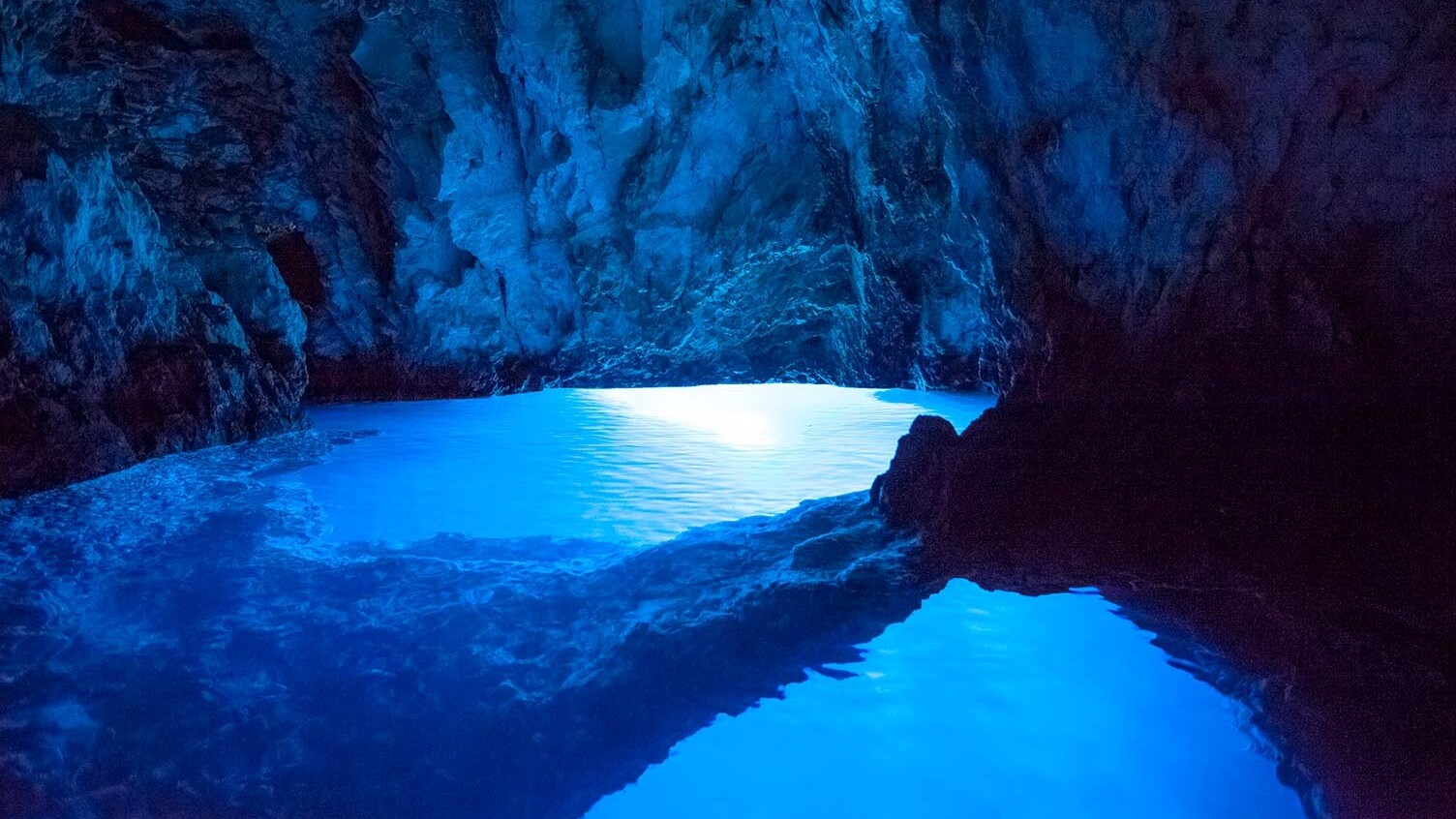

The Blue Cave on the Island of Biševo in Croatia is a jewel of nature, captivating visitors with its stunning displays of light and color. Nestled in the Adriatic Sea, this enchanting cave is not just a geological marvel; it also carries a rich history and vibrant local culture that together weave a tapestry of experiences for travelers.
### History and Origins The Blue Cave, known as Modra Špilja in Croatian, has a history that stretches back to ancient times. It was used by fishermen and local inhabitants for centuries, but its formal discovery is attributed to the Austrian painter, Hermann Michel, in 1884. The cave became popular among explorers and adventurers, and its fame skyrocketed after being featured in various travel publications. Over the years, it has been a site of curiosity, drawing those who seek to marvel at nature’s artistry. The entrance to the cave was artificially enlarged in the early 20th century to accommodate boat access, allowing tourists to experience its breathtaking beauty.
### Art and Architecture While the Blue Cave is a natural formation, its allure lies in the spectacular play of light that occurs at specific times of the day. When sunlight pierces through the underwater entrance, it illuminates the cave’s interior in a mesmerizing blue hue, reflecting off the white limestone walls. This natural phenomenon has inspired many artists and photographers, who have sought to capture its ethereal beauty. The cave does not have traditional architectural features, but its unique formation and the surrounding rock formations create a stunning visual narrative that speaks to the artistry of nature itself.
### Local Culture and Traditions The island of Biševo is small and relatively uninhabited, with a population that maintains a traditional way of life. Local customs are deeply intertwined with the sea, and fishing remains a vital part of the community’s identity. Each summer, the residents celebrate the Feast of St. Nicholas, the patron saint of fishermen, with a procession and festivities that showcase local music, dance, and culinary delights. Visitors can experience the warmth of this community and their connection to the sea, particularly during these vibrant celebrations.
### Gastronomy The culinary offerings on Biševo reflect the island’s maritime heritage. Fresh seafood is a staple, with dishes featuring grilled fish, octopus salad, and black risotto made from cuttlefish ink. The island is also known for its locally produced olive oil and wine, particularly Vugava, a native white grape variety that thrives in the region’s climate. Dining on the island offers not just a taste of the local cuisine but also a chance to savor the flavors of the Adriatic, often enjoyed with breathtaking views of the sea.
### Lesser-Known Curiosities While many visitors flock to the Blue Cave, few realize that the island of Biševo is home to other hidden gems. The Monastery of St. Mary, a serene relic from the 16th century, offers a glimpse into the island’s history and provides a tranquil spot for reflection. Additionally, the nearby Green Cave, located on the opposite side of the island, is another natural wonder that features a striking green light effect. For those who venture beyond the Blue Cave, these lesser-known sites offer a deeper understanding of Biševo’s charm.
### Practical Visitor Information The best time to visit the Blue Cave is during the summer months, particularly from late May to early October, when the weather is warm and the sea is calm. Guided tours typically depart from the nearby island of Vis, with excursions designed to navigate the cave’s entrance safely. Visitors should arrive early to secure a spot, as the cave has a limited capacity for boats. It is essential to bring a camera to capture the stunning light displays, but also to remember that swimming is not permitted inside the cave for safety reasons. The experience is best enjoyed from the boat, allowing you to absorb the magical atmosphere.
As you plan your visit, consider utilizing the Secret World app to tailor your itinerary for exploring Biševo and its surroundings.
