
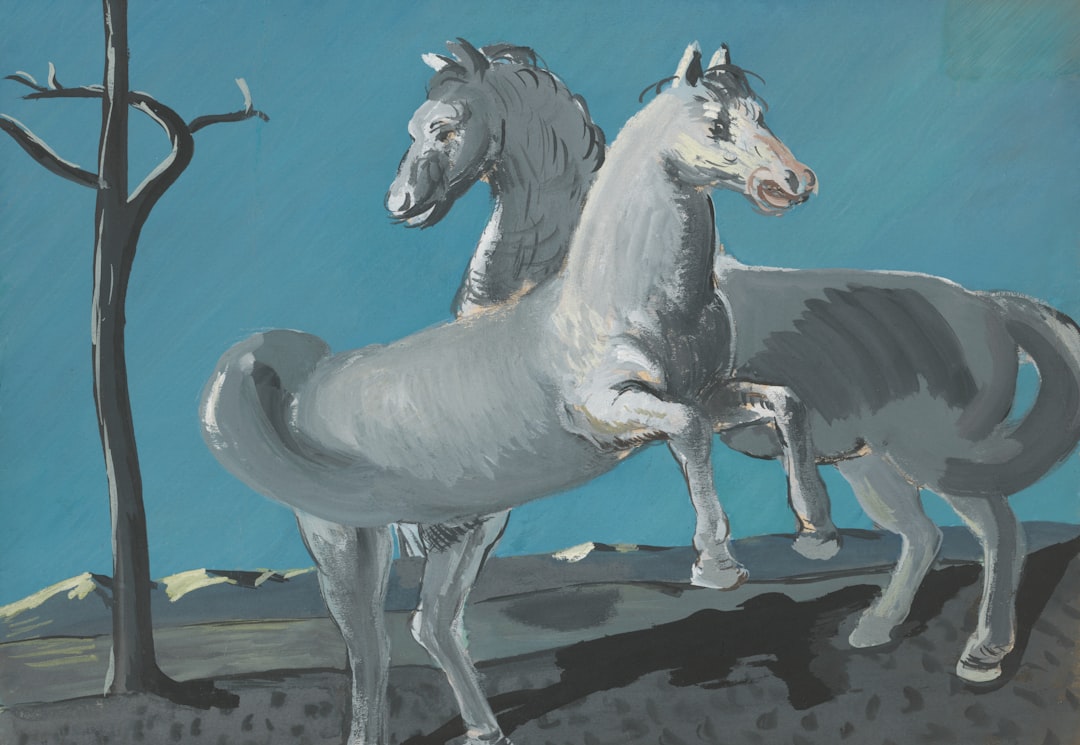

Immersed in the heart of Germany, the small municipality of Zehdenick houses a work of art that transcends time and space: The Blue Horse by Franz Marc. This iconic sculpture is not only a tribute to the artist's mastery but also represents the spirit of modernity, a meeting between art and nature that invites visitors to reflect on the beauty and interpretation of the world.
Located along the banks of the Havel River, The Blue Horse is a symbol of freedom and innovation, conceived in an era when art sought new forms of expression. With its vibrant color and bold lines, this work is a perfect example of the 20th-century expressionist movement, capable of capturing the imagination and heart of anyone who approaches it.
The Story Behind The Blue Horse
Franz Marc, one of the founders of the expressionist movement, created The Blue Horse in 1911. The sculpture is inspired by his famous painting, in which the blue horse symbolizes strength, freedom, and harmony with nature. Marc firmly believed that the true essence of animals and nature could be represented through vibrant colors and stylized forms, a concept that shaped his work and his approach to art.
The choice of Zehdenick as the location for this work is not accidental. The region, rich in forests and lakes, offers an idyllic landscape that reflects the themes of nature and spirituality that Marc sought to capture. The work, created in a natural context, becomes a dialogue between art and the world that surrounds it, inviting viewers to immerse themselves in deep reflection.
A Visual and Sensory Experience
Visiting The Blue Horse is an experience that goes beyond the simple act of observing a work of art. Walking along the paths that lead to the sculpture, visitors are greeted by a breathtaking panorama that changes with the seasons. In spring, wildflowers dance in the wind, while in autumn, golden leaves create a natural carpet that accompanies the journey towards art.
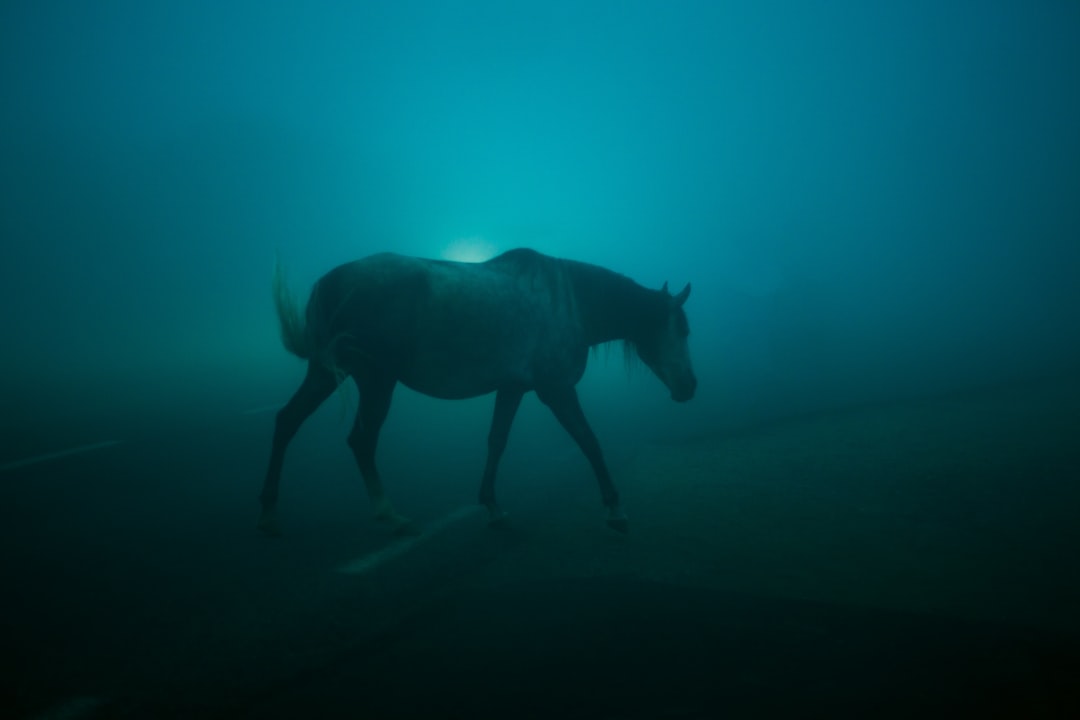
The sculpture itself, with its sinuous shape and bright colors, emerges among the trees like a beacon of creativity. Every angle offers a new perspective, a new way of seeing the horse. Visitors can get close and appreciate the details, observing how the light reflects on the surface, creating plays of shadows and colors. It is a work that invites interaction and contemplation, a place where art and nature dance together.
The Role of Franz Marc in Modern Art
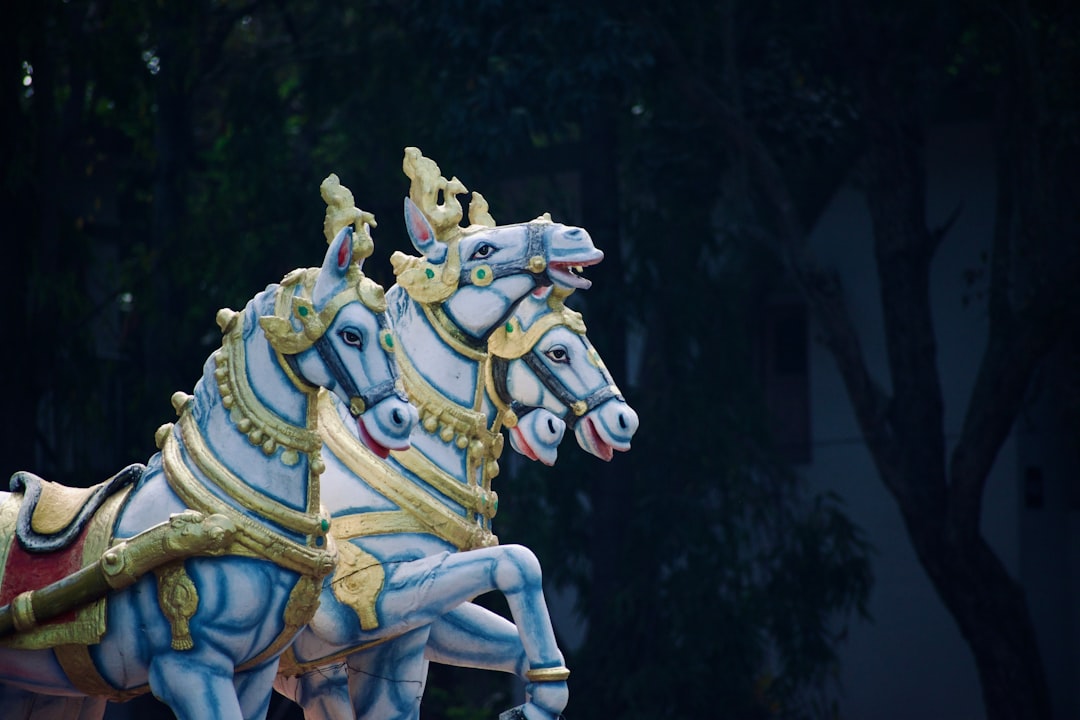
Franz Marc is considered one of the pioneers of modern art, and The Blue Horse is a tangible testament to this. His innovative vision challenged the artistic conventions of his time, bringing a new sensitivity and emotional depth to the art landscape. Marc sought to express emotions through color, an approach that influenced countless subsequent artists and paved the way for more abstract and experimental forms of art.
The Blue Horse is not just a sculpture; it is a manifesto of an era, a symbol of creative freedom and exploration. Every visitor who stops to contemplate it connects to an artistic legacy that continues to influence the world of contemporary art. In an era where authenticity and personal expression are more important than ever, Marc's work remains an important source of inspiration.
Conclusions: An Invitation to Discover
If you are looking for an experience that combines art, nature, and history, The Blue Horse by Franz Marc in Zehdenick is a must-visit destination. This sculpture is not just a work to admire, but a place where every visitor can reflect on their relationship with art and the natural world. Whether you are an art enthusiast, a nature lover, or simply looking for a unique place to explore, this sculpture is an invitation to discover and be inspired.
In a fast-paced and ever-changing world, The Blue Horse remains a beacon of beauty and creativity, a tangible link to the past and a source of inspiration for the future. All that is left is to visit it and let yourself be carried away by the magic of art.


